


Lake Bohinj sits in the heart of Slovenia’s Triglav National Park, ringed by forested slopes and limestone peaks. Less developed than nearby Lake Bled, it attracts travelers who want big alpine scenery without the crowds. This guide pulls together current, real world options for tours, activities, and places to stay so you can plan a smooth, well paced Bohinj trip that fits your budget and style.
Get the latest updates straight to your inbox!
Understanding Lake Bohinj and How Long to Stay
Lake Bohinj is Slovenia’s largest permanent lake, sitting at the western end of the Bohinj valley inside Triglav National Park. The main lakeside settlements are Ribčev Laz at the eastern shore, Stara Fužina set slightly back from the north side, and Ukanc at the quiet western end. Bohinjska Bistrica, a few kilometers down the valley, is the practical hub with more shops and services. Distances are short: driving from Ribčev Laz to Ukanc takes about 10 minutes, and hiking the full loop around the lake’s shore is roughly 12 kilometers, usually 3 to 4 hours at a relaxed pace.
For most travelers, one full day feels rushed and two to three nights works well. Many recent visitors who based themselves in Bohinj for several nights used it as a quieter alternative to Lake Bled, doing day trips there instead of the other way around. Staying at least two nights gives you time for the lakeside walk, a cable car ride up Vogel, a half day on the water, and a hike to a nearby gorge or waterfall without stacking everything into a single exhausting day.
If you are on a tight schedule, it is still possible to see a lot with one overnight. A common pattern is arriving in the late morning from Ljubljana or Bled, doing a boat ride or paddle in the afternoon, then taking the Vogel cable car the following morning before moving on. In summer, daylight stretches late enough that you can comfortably fit two activities per day.
Season matters more here than in many destinations. Summer school holidays from late June through August are the busiest, with higher prices and crowded car parks by mid morning, especially at Savica Waterfall and Vogel. May, early June, September and early October tend to offer quieter trails and more availability, although mountain weather is more variable and some seasonal operations such as the panoramic electric boat run on reduced schedules in shoulder months.
Lake Bohinj Tours on the Water
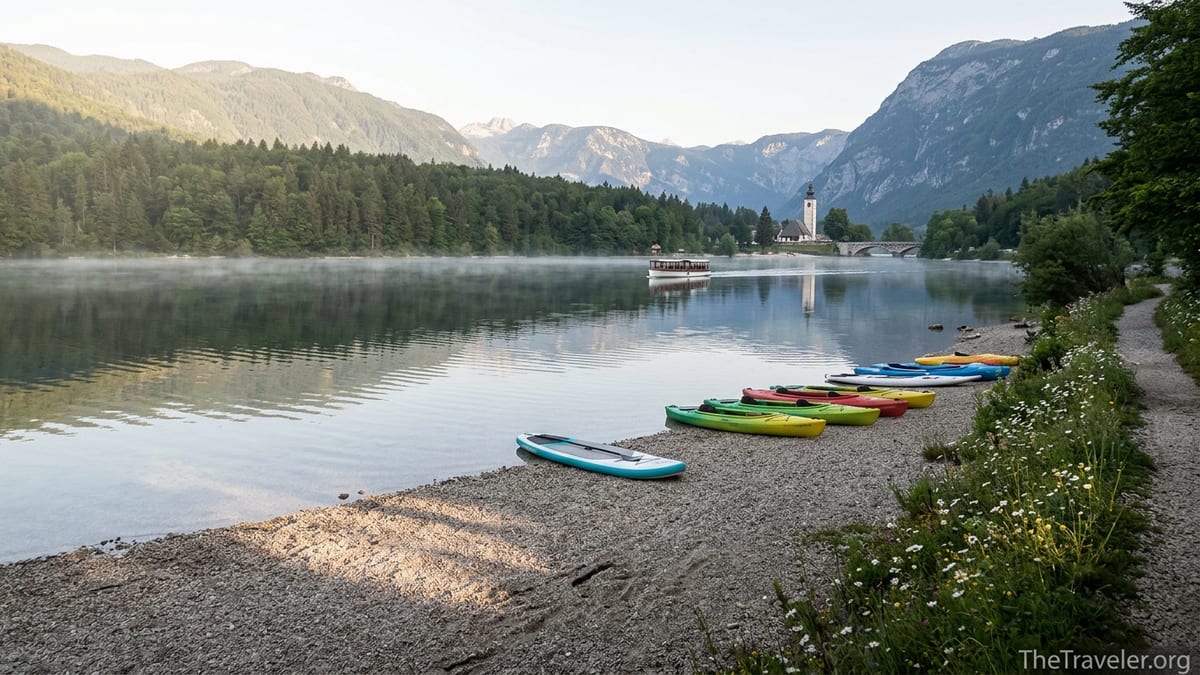
The lake itself is the main attraction and there are three practical ways to experience it: the electric panoramic boat, guided kayak or canoe tours, and stand up paddleboard outings. The official panoramic boat service operates with two electric vessels that shuttle between Ribčev Laz and Ukanc from spring through autumn, with a timetable divided into spring, summer and autumn seasons. As of the current 2025 schedule, spring sailings from early April typically start around mid morning and run every 80 minutes or so, with more frequent departures in high summer. Tickets are sold either one way or return and are popular with families who walk one shore path and return by boat.
Prices for the panoramic boat vary slightly by season and age group, but you should budget in the region of 14 to 18 euros per adult for a return ticket and about half that for children. A practical example: a family of four doing a return trip in summer can expect to spend around 50 to 60 euros in total. Commentary on board introduces local legends, wildlife and the Triglav National Park rules, which is useful context if it is your first day in the area. Note that the boat usually resumes operations in April each year and may pause outside the published season in bad weather, so it is worth checking the current status at the Bohinj tourist office when you arrive.
For something more active, several local operators run small group kayak tours on Lake Bohinj, typically based around Ribčev Laz. One outfitter’s current price list shows guided lake kayak tours starting around 70 to 80 euros per person for a two to three hour “quickie” or “jump and paddle” style outing, including gear, guide, and a short skills introduction. More elaborate sunrise or “golden hour” experiences, sometimes combined with snacks or photos, are priced closer to 80 to 90 euros per person, while entirely private tours for couples or families start from a bit over 300 euros for the group. These kayak trips are generally suitable for beginners, and children from around 8 to 10 years old can usually join in stable double kayaks.
If you prefer to move at your own pace, lakeside rental shops and sports agencies rent sit on top kayaks, canoes and small rowing boats by the hour. Current rental prices typically hover around 15 to 20 euros per hour for a single kayak or SUP and about 25 to 30 euros per hour for a larger canoe or rowboat that fits two to three people. A realistic half day of self guided paddling for two adults, including a quick drink afterwards, often lands somewhere between 60 and 80 euros in total. Stand up paddleboard guides also offer relaxed one and a half to two hour SUP tours that focus on quiet corners of the lake, with recent prices in the region of 45 to 55 euros per person, including board, paddle and a wetsuit in shoulder season.
Hiking, Cable Cars and High Alpine Views
Bohinj is one of the best bases in Slovenia for low stress access to high alpine scenery. The Vogel cable car, a short drive or bus ride from Ribčev Laz near Ukanc, lifts you from roughly 570 meters to about 1530 meters in roughly five minutes. On clear days you get wide views over Lake Bohinj and across to Mount Triglav and the surrounding Julian Alps. A standard return ticket for adults has recently been around 30 euros, and family or combined tickets with the nearby chairlifts and viewpoints are often available; a couple currently reported paying about 58 euros total for two adults on a spring visit.
Once on Vogel, there are marked hiking trails ranging from short, mostly flat scenic walks to longer half day routes to summits and pastures. In summer you will find a mix of casual visitors walking to the primary viewpoints in under an hour and more serious hikers using the lifts as a starting point for full day routes. Simple mountain huts and restaurants at the upper station and along some trails serve hearty fare like jota soup, sausages and strudel, typically 12 to 20 euros per person for a meal with a drink. Weather at this altitude can change quickly, so even for short walks it is wise to bring a light jacket and good footwear.
At lake level, the classic Savica Waterfall hike remains one of the most popular short outings. You reach the trailhead by car or bus from Ukanc; from the parking area, the signed path climbs via stone steps through the forest to the viewing platform in around 20 to 30 minutes. There is a small entrance fee at the start, around 3 to 5 euros per adult and less for children, payable in cash or card. Many travelers combine Savica with a half day that also includes a boat ride or a lakeside picnic. For a quieter alternative, the Mostnica Gorge near Stara Fužina offers an easy to moderate riverside walk past emerald pools and narrow rock formations; expect to pay a modest entry contribution at the entrance hut during the main season.
Longer hiking options radiate from the valley into side valleys and higher plateaus and include multi hour trips to alpine pastures with wooden huts and grazing cattle. Triglav National Park rules emphasize leaving no trace, staying on marked trails and avoiding picking flowers or disturbing wildlife. If you prefer not to navigate alone, local guiding companies and guesthouses can arrange private hiking guides, usually charging from about 150 to 250 euros per day for a small group, depending on duration and difficulty. This can be worthwhile if you are keen on a more demanding peak or want to understand more about the local geology and culture.
Adventure Activities: From Paragliding to Canyoning
Beyond walking and paddling, Bohinj has become a small hub for soft adventure activities in the Julian Alps. Tandem paragliding flights above Lake Bohinj are one of the standout experiences. Operators launch from takeoff points such as Vogar and Vogel, gliding out over the valley with views down to the lake and across to Triglav. Recent price lists from local and regional agencies put standard tandem flights from Vogar at around 130 euros per person and flights from Vogel closer to 180 to 190 euros per person. Higher altitude or “premium” experiences that involve more airtime and extended routes can reach 250 euros and above.
These flights usually include transport from a meeting point near the lake to the takeoff area, all equipment, and a short safety briefing. You fly harnessed in front of or below an experienced pilot, and the actual air time tends to be 15 to 30 minutes depending on conditions. Most companies offer optional photo or video packages for an additional fee, often about 20 to 30 euros, delivered via memory card or online link later that day. Weight and age limits typically apply, so it is worth confirming if you are traveling with younger teens or older family members.
Water based adventures in the broader Bohinj area include canyoning in nearby gorges and white water experiences on the Sava Bohinjka river. Several Bled and Bohinj based companies list half day canyoning tours in the wider region priced from around 80 to 100 euros per person, including wetsuits, safety gear and transport from meeting points in Bled or Bohinj. These trips generally require a reasonable level of fitness and comfort with cold water, jumps and abseils. For something gentler, guided family friendly rafting or kayaking trips on quieter stretches of the Sava Bohinjka are usually in the 50 to 70 euro per person bracket, depending on group size and season.
Bike rentals are another accessible option. In Bohinj and nearby Bled, standard mountain or trekking bikes typically rent for about 15 to 25 euros per day, with e mountain bikes closer to 50 to 65 euros per day. The valley cycle paths, especially between Bohinjska Bistrica and the lake, make for relaxed half day rides with minimal traffic exposure. Local agencies can provide suggested routes and maps, including loops that combine lake views, small villages and riverside picnic spots. If you plan to move between multiple activities in a single day, booking through one multi activity agency can simplify logistics and transport, although it is just as common to mix and match individual providers.
Where to Stay Around Lake Bohinj
Your experience at Lake Bohinj is shaped heavily by where you base yourself. Around the lake proper, each area has a different character. Ribčev Laz, at the eastern shore, works well if you prefer to be within walking distance of the iconic stone bridge and church, boat pier, several restaurants and the main bus stop. Recently opened and renovated hotels here include contemporary properties that blend timber and stone, some with lakeside terraces, spas and higher service levels. Nightly rates for midrange lakeview hotel rooms here in high summer often sit around 180 to 250 euros, dropping in shoulder season.
Just up the road into the meadows, Stara Fužina offers a more traditional village feel, with narrow lanes, barns and a quieter atmosphere while still being within about a 10 to 20 minute walk of the northern lake shore. Travelers in 2026 commonly report paying in the region of 55 to 70 euros per night for small apartments or guesthouses in Stara Fužina outside peak dates, often with kitchenettes and balconies. This can be appealing for longer stays or self catering. The village also positions you well for walks into the Mostnica Gorge and the Voje Valley without needing a car.
At the western end of the lake, Ukanc is the most tranquil option, surrounded by forest and mountains. Here you find a mix of small pensions, holiday apartments and a large lakeside campground tucked into the woods. The campsite allows you to pitch a tent just a short walk from the water, and recent anecdotal reports put basic camping fees in the low tens of euros per person per night, depending on season and services. Ukanc is ideal if you value quiet nights, direct access to the lake, and proximity to both the Savica Waterfall trailhead and the Vogel cable car station.
If you are traveling by train or want a wider choice of shops and indoor facilities, Bohinjska Bistrica a few kilometers down valley offers modern hotels and apartments, including a well known eco oriented hotel complex with pools and wellness offerings. Packages that include breakfast and access to wellness areas often fall into the 130 to 200 euro per night range for two people in shoulder season, with higher pricing in peak school holiday periods. Basing yourself here works especially well in poor weather, because you have easier access to indoor facilities, supermarkets and bus connections while still being about a 10 to 15 minute drive or bus ride from the lakeshore.
Booking Smart: Transport, Timing and Smooth Logistics
Getting to Lake Bohinj is straightforward once you understand the options. Many visitors arrive from Ljubljana or Lake Bled by bus, with frequent services in peak season that run to Ribčev Laz and sometimes beyond. Journey times from Ljubljana are typically around two hours, and from Bled about 40 to 50 minutes. If you are carrying hiking gear or traveling with children, it can be worth checking in advance whether your chosen accommodation is within easy walking distance of the bus stop or if they can arrange a pick up.
If you are driving, parking is regulated around the lake to protect the national park environment. In summer, main car parks near Ribčev Laz, Ukanc, Savica and the Vogel cable car can fill by late morning. Daily parking fees are usually in the 10 to 20 euro range in peak months. To keep things smooth, it is sensible to arrive early for popular hikes, use public transport where possible, and factor parking fees into your budget. Some accommodations include on site parking in their room rates, while others charge a modest extra fee.
Planning your activities with some flexibility helps you adapt to mountain weather. A typical two day plan might look like this in practice: on Day 1, arrive by late morning, drop bags at your guesthouse in Stara Fužina, walk to the lake for a swim or shoreline stroll, then join a late afternoon SUP or kayak tour finishing around sunset. On Day 2, take the first or second cable car up Vogel to enjoy views before potential clouds build, have an early lunch at the mountain restaurant, then return in the afternoon to visit Savica Waterfall or take the panoramic boat to Ukanc followed by a leisurely walk back to Ribčev Laz.
Booking tours in advance is useful in July and August, especially for tandem paragliding and popular water activities, which can sell out on sunny days. Outside peak season you can often arrange tours a day or two ahead through your accommodation host or the local tourist information center. Public holidays and long weekends in neighboring countries can also create short, intense busy periods even outside core school holidays, so checking a regional calendar before you lock in dates is wise if you are seeking maximum tranquility.
Choosing the Right Bohinj Base for Your Travel Style
Different types of travelers tend to gravitate to different corners of Bohinj. If you prioritize convenience and do not have a car, Ribčev Laz usually makes the most sense. From a midrange hotel or guesthouse here you can walk to the boat pier, kayak rentals, tourist information office, supermarket and several restaurants in under five minutes. Early risers also appreciate that this side of the lake catches morning light, making lakeside strolls particularly pretty before day trippers arrive.
Travelers seeking a quieter, more local atmosphere with better value often prefer Stara Fužina. A couple who recently spent two weeks in Slovenia off season, for example, reported paying about 65 euros per night for a cozy apartment in Stara Fužina, cooking many of their own meals and using the village as a base for daily hikes to Mostnica Gorge and beyond. This approach keeps overall trip costs down while giving you more living space than a standard hotel room. In the evenings, village bars and small eateries offer simple, good value fare without the lakeside mark up.
Ukanc most strongly appeals to campers, nature lovers and those who prioritize silence and starry skies over nightlife. From a tent or cabin near the western shore you can roll out in the morning and be in the water within minutes, then later walk or cycle to the cable car station for high mountain views. Because dining options are limited in Ukanc itself, many visitors staying here either self cater or plan to eat their main meals in Ribčev Laz or Bohinjska Bistrica when they are passing through during the day.
Bohinjska Bistrica suits travelers on road trips or those combining Bohinj with broader exploration of the Julian Alps. With its larger supermarkets, petrol station, and services, it works well for families or groups who value practicalities as much as scenery. A sample midrange stay might be two nights in a spa hotel here for around 160 euros per night including breakfast and pool access, using one full day for Bohinj lake activities and another for a drive or cycle to nearby plateaus and viewpoints. In poor weather, the village’s indoor pools and wellness centers also offer a useful fallback plan compared with being limited to a lakeside room.
The Takeaway
Planning a smooth Lake Bohinj trip is mostly about matching your base, season and activity level. The lake is compact, but the choices range from quiet forest camping in Ukanc to design hotels in Ribčev Laz and homely village apartments in Stara Fužina or Bohinjska Bistrica. Prices currently span from tents in the low tens of euros per night to lakefront rooms that can exceed 200 euros in high summer, so there is genuine flexibility for different budgets.
On the activity front, you can spend very little by walking the lakeshore, swimming and hiking to Savica or Mostnica, or you can splurge on tandem paragliding flights over the water, guided kayak or SUP tours, and cable car tickets to Vogel’s viewpoints. A realistic daily budget for a midrange traveler might include a lakeside guesthouse at 70 to 120 euros, one paid activity such as a boat ride or lift ticket at 15 to 35 euros per person, and meals running 20 to 35 euros per person per day depending on how often you cook for yourself.
Most importantly, Bohinj still feels like a place where nature sets the rhythm. By booking key stays and a couple of tours in advance, then leaving space to respond to the weather and your energy levels, you can enjoy the lake the way locals and regulars do: slowly, with time for quiet swims, mountain views and evenings that end with the sound of cowbells rather than traffic.
FAQ
Q1. How many days do I need at Lake Bohinj for a first visit?
Most travelers find that two to three nights is ideal for a first visit. That gives you time for a lakeside walk, a boat ride or paddle, a trip up the Vogel cable car and at least one nearby hike such as Savica Waterfall or Mostnica Gorge without rushing.
Q2. Is it better to stay at Lake Bohinj or Lake Bled?
Lake Bled has more restaurants, nightlife and tour options, while Lake Bohinj is quieter and more nature focused. Many recent visitors stay in Bohinj for the peaceful setting and do Bled as a day trip, especially in high season when Bled can feel crowded.
Q3. Do I need a car to enjoy Lake Bohinj?
You can have a good trip without a car if you base yourself in Ribčev Laz or Stara Fužina, which have bus connections and are within walking distance of the lake, boat pier and some trailheads. A car gives more flexibility for early starts, Savica and side valleys, but is not strictly essential.
Q4. How expensive are activities like the boat ride and Vogel cable car?
As a rough guide, return tickets on the electric panoramic boat are usually in the mid tens of euros for adults and less for children, while a standard adult return ticket on the Vogel cable car tends to be around 30 euros. Exact prices vary slightly by season and discounts, so check current listings when you arrive.
Q5. Can beginners join kayak or SUP tours on Lake Bohinj?
Yes. Most guided kayak and stand up paddleboard tours around Lake Bohinj are designed for beginners and include a short safety and skills introduction. Guides typically use stable boats and boards, and children from about 8 to 10 years old can often join with an adult.
Q6. When is the best time of year to visit Lake Bohinj?
Late June to August offers the warmest swimming and the widest choice of tours, but it is also the busiest. May, early June, September and early October provide quieter paths and milder temperatures, though some services run less frequently and mountain weather is less predictable.
Q7. Where should I stay if I want a quiet, village feel?
Stara Fužina and Ukanc are good choices for a quieter atmosphere. Stara Fužina has traditional houses, small guesthouses and easy access to the Mostnica Gorge, while Ukanc is more remote and wooded, close to Savica Waterfall, the Vogel cable car and the lakeshore campsite.
Q8. Are there budget friendly options near Lake Bohinj?
Budget travelers often choose campsites near Ukanc or simple guesthouses and apartments in villages like Stara Fužina, Ribčev Laz or Bohinjska Bistrica. Recent reports suggest that outside peak dates you can still find small apartments in the 50 to 70 euro per night range, especially if you book early.
Q9. Is Lake Bohinj suitable for families with children?
Yes. The gently shelving lake shore in places, electric panoramic boat, short hikes like Savica, and easy cycle paths make Bohinj well suited to families. Many guesthouses and apartments provide kitchen facilities and extra beds, and activity providers routinely work with children and teens.
Q10. Do I need to book tours and accommodation far in advance?
For July and August, it is sensible to book accommodation several months ahead and reserve popular activities like tandem paragliding and some guided water tours at least a week or two before arrival. In shoulder seasons, you usually have more flexibility and can often arrange tours once you are on the ground, though the very best lakefront stays may still fill early.