


For first-time visitors to Istanbul, Beşiktaş is one of the best places to feel how the city really lives. Sandwiched between the Bosphorus and the steep hills that rise toward Taksim and Levent, this central district mixes waterfront palaces with football chants, student bars, ferry commuters and long, lazy Turkish breakfasts. If you base yourself here, you can be in Sultanahmet, Galata, Kadıköy or Üsküdar in under half an hour, while still coming “home” to a neighborhood that feels distinctly local.
Get the latest updates straight to your inbox!
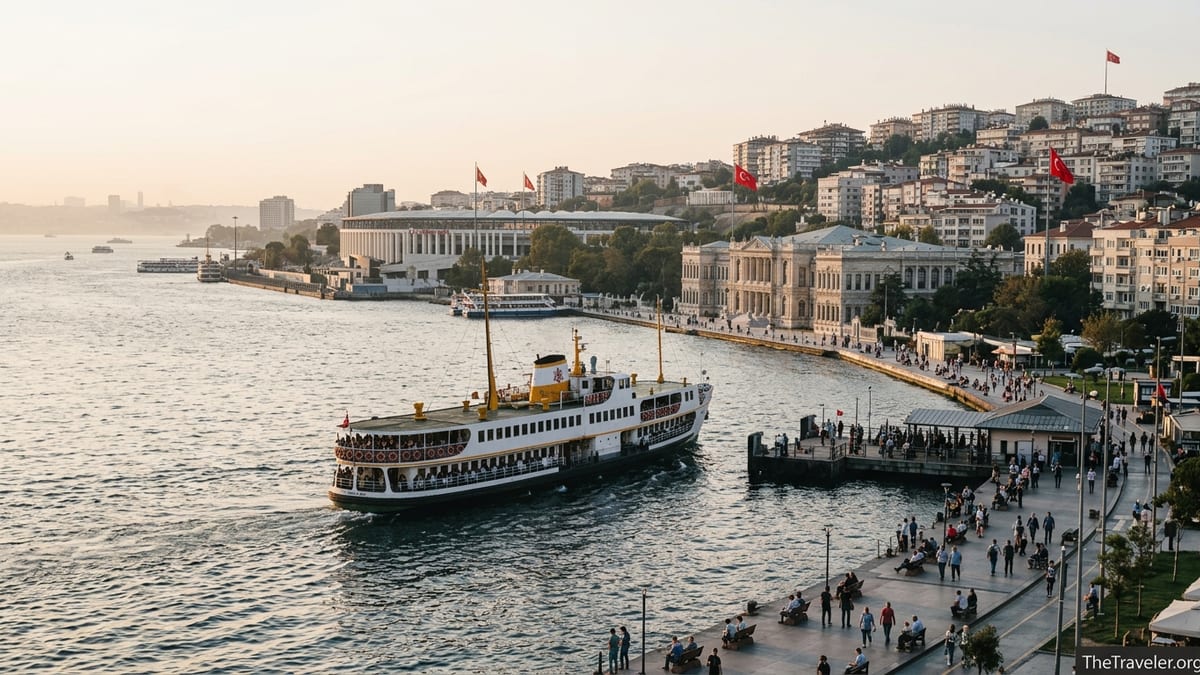
What and Where Is Beşiktaş?
Beşiktaş is a central district on the European side of Istanbul, stretching along the Bosphorus from Kabataş up toward Ortaköy, Arnavutköy and Bebek, and climbing inland to neighborhoods like Abbasağa, Yıldız and Etiler. On a map, it sits roughly northeast of the historic peninsula and directly north of Taksim Square. From Sultanahmet you can reach Beşiktaş in about 25 to 35 minutes using the tram and a short taxi or bus ride, which makes it a convenient base for first-time visitors who want easy access without sleeping in a tourist zone.
Unlike the museum-heavy old city, Beşiktaş is primarily a residential and commercial area. You will see students heading to nearby universities, office workers grabbing simit at street stalls, and fans in black-and-white jerseys streaming to Vodafone Park on match days. The compact market area, known locally as Beşiktaş Çarşı, has narrow streets lined with fishmongers, lokantas serving home-style dishes and small cafes where locals sit over tulip glasses of tea. Walking a few minutes downhill brings you to the ferry piers and the busy coastal road, where buses and dolmuşes run up and down the Bosphorus.
For a first-time visitor, Beşiktaş offers a good balance of energy and comfort. Accommodation here tends to be more modern and business oriented than in Sultanahmet, but more affordable and lived-in than the luxury hotels clustered in Karaköy or the ultra-upscale palaces in nearby Çırağan. You can step out of your hotel and immediately find a bakery for a quick breakfast, a supermarket for water and snacks, and at least a couple of casual restaurants within a two-minute walk.
Beşiktaş is also a gateway district. To the south sit Dolmabahçe Palace and Kabataş, where you can connect to the tram and funicular system. To the north, the coastal road curves toward Ortaköy, Arnavutköy and Bebek, some of the city’s most scenic waterfront neighborhoods. Across the water, ferries link you to Kadıköy and Üsküdar on the Asian side. For a short stay in Istanbul, it is hard to find a location that gives you faster access to so many different parts of the city.
Getting Around: Ferries, Trams and Dolmuşes
The heart of Beşiktaş’s transport network is its ferry piers on the Bosphorus. From the main Beşiktaş pier, city ferries typically run to Kadıköy, Üsküdar and other points like Eminönü and the northern Bosphorus during the day. Schedules vary by season, but on busy routes such as Beşiktaş–Kadıköy you can often expect a ferry roughly every 20 to 30 minutes during commuter hours. Tickets are paid with the Istanbulkart, the city’s rechargeable transport card, and the ride usually costs only slightly more than a metro journey, making it both affordable and atmospheric.
For first-timers, it is worth planning at least one daytime and one evening ferry ride. A morning Beşiktaş–Üsküdar sailing shows you Dolmabahçe Palace, the Bosphorus bridges and the hillside neighborhoods in clear light. In the evening, a Beşiktaş–Kadıköy or Beşiktaş–Kabataş ferry lets you watch the city lights and minarets appear against the darkening sky. Ferries have indoor and outdoor seating and usually a small kiosk selling tea, coffee and simit, so you can treat the ride as a mini-cruise instead of just transport.
On land, Beşiktaş connects easily to the rest of Istanbul’s public transport. From Beşiktaş Çarşı it is about a 15-minute downhill walk or a short bus ride to Kabataş, where the T1 tram line starts. This tram runs directly to Karaköy, Eminönü, the Spice Bazaar, Sultanahmet, Gülhane Park and ultimately the city walls at Topkapı. From Kabataş you can also take the F1 funicular up to Taksim Square, making it simple to move between Beşiktaş, Istiklal Avenue and the historic peninsula in a single outing.
Within Beşiktaş itself, short journeys are often faster using buses and shared minibuses called dolmuş. For example, if you want to go from Beşiktaş up to Ortaköy, you can hop on a yellow minibus heading along the coast road and be there in around 10 minutes if traffic is light. Dolmuş fares are paid in cash to the driver and are usually only a little more than bus fares. At night, taxis are still relatively affordable compared with many European capitals, but traffic on the coastal road can be heavy around sunset and late evening, so give yourself extra time to reach dinner reservations or the airport.
Dolmabahçe, Ortaköy and the Bosphorus Waterfront
No first-time visit to Beşiktaş is complete without time on the waterfront. Starting from the ferry piers, you can walk south toward Kabataş and reach Dolmabahçe Palace in about 10 to 15 minutes. This 19th century palace was the main residence of the late Ottoman sultans and later used by Mustafa Kemal Atatürk. The complex includes a grand ceremonial hall, lavish crystal staircases, a harem section and extensive gardens along the Bosphorus. Entry tickets are not cheap by local standards, so plan to spend at least two to three hours exploring to get value from your visit.
Most visitors join a guided tour through the palace interiors, where you will be asked not to take photographs in certain rooms. Outside, the seafront terrace and clock tower area are open for photos, and you can often see commuter ferries passing close by. If you arrive in the morning, queues tend to be shorter; in summer it is wise to bring water and a hat as the grounds can be hot and exposed by midday.
Heading north from Beşiktaş along the coast road, Ortaköy is one of the most photographed corners of Istanbul. The waterfront square is framed by a baroque-style mosque, the Bosphorus Bridge, and a row of cafes and kumpir stands selling baked potatoes loaded with toppings. On a weekend afternoon, the narrow streets behind the square fill with visitors browsing small jewelry stalls and art stands. Many first-timers like to combine a daytime visit to Dolmabahçe with an evening stroll in Ortaköy, stopping for tea or dessert while watching the bridge lights change color.
Continuing further, Arnavutköy and Bebek offer a slightly more upscale waterfront experience, with seafood restaurants, cocktail bars and a long promenade ideal for walking or jogging. You can reach these neighborhoods by bus or taxi from Beşiktaş in 15 to 25 minutes depending on traffic. Even if you do not eat there, an evening walk from Ortaköy toward Arnavutköy lets you see wooden yalı mansions, fishing boats and locals sitting on the sea wall with takeaway tea. For first-time visitors, choosing one evening to simply walk along the Bosphorus without a fixed agenda can be just as memorable as any museum.
Breakfast Streets, Restaurants and Local Food
Beşiktaş is famous across Istanbul for its “breakfast street,” a short lane in the market area lined with cafes that specialize in full Turkish breakfast spreads. On weekend mornings, tables spill into the street and groups of friends sit for hours over serpme kahvaltı: baskets of fresh bread, white cheeses, olives, tomatoes, cucumbers, honey, kaymak clotted cream, fried sucuk sausage and eggs cooked in small metal pans. Prices vary between places and have risen in recent years, but a generous shared breakfast for two is still often good value compared with ordering separate dishes in touristy areas.
For a more low-key start to the day, you can find simit bakeries, börek shops and small patisseries throughout Beşiktaş Çarşı. Ordering a warm cheese börek and an ayran yogurt drink from a simple counter-service place is inexpensive and quick, perfect if you are catching a morning ferry. Many hotels in Beşiktaş include breakfast buffets in their room rates, but even then, trying a local spot one or two mornings gives you a better feel for everyday life.
For lunch and dinner, Beşiktaş offers almost every style of Turkish food within walking distance. Around the market area you will see steam-table lokantas where daily dishes like kuru fasulye beans, stuffed vegetables, pilav rice and grilled köfte are displayed at the counter. You choose a plate or two, add soup or salad, and sit among office workers and taxi drivers. Prices at these lokantas are usually moderate and let you taste home-style cooking that does not always appear on tourist menus.
If you want something more polished, nearby Akaretler and the roads leading toward Maçka host modern Turkish bistros, burger places and international restaurants. A typical mid-range dinner for two with a shared starter, two mains and soft drinks in this area might cost slightly more than in the market, but still less than in high-end Bosphorus hotels. For seafood with a view, some visitors head north by taxi to Arnavutköy or Bebek, yet Beşiktaş itself also has small meyhanes where you can order meze plates, grilled fish and a glass of rakı in a relaxed setting.
Nightlife and Evening Atmosphere
At night, Beşiktaş is lively rather than glamorous. Around the market streets you will find casual bars where students and young professionals gather over beers or simple cocktails, often with football playing on TV and indie or Turkish rock on the speakers. Many of these places have no cover charge, and it is normal to move between two or three spots in an evening, grabbing a dürüm wrap, midye dolma stuffed mussels or a slice of pide from a late-night kiosk along the way.
For visitors who prefer views with their drink, the slopes above Beşiktaş and the nearby waterfront host several rooftop terraces and hotel bars. Some are attached to international chain hotels closer to Dolmabahçe and Akaretler, offering long Bosphorus panoramas along with higher prices and a dressier crowd. Others are smaller independent rooftops where you can sit outside on summer nights with a glass of wine and watch ferries crossing below. Checking opening hours is important, as some rooftops close or reduce service in winter.
Compared with areas like Taksim or Kadıköy, Beşiktaş’s nightlife feels more compact and local. You will not find many mega clubs, but you will hear live music spilling out of small venues on side streets, ranging from Turkish pop covers to acoustic sets. On match days when Beşiktaş JK plays at nearby Vodafone Park, bars can be extremely busy before and after the game, with chanting fans and heavily policed streets. If you enjoy football culture, this is an exciting time to experience the neighborhood; if you prefer quiet, you may want to plan dinner a little further away on those evenings.
For first-timers, a typical evening might start with a ferry ride back from the Asian side at sunset, followed by dinner at a lokanta or meyhane in Beşiktaş Çarşı, then an hour or two at a casual bar. Because most places are close together, you do not need to worry much about late-night transport; many hotels are within a 10-minute walk of the main bar streets, and taxis are common until the early hours.
Where to Stay in Beşiktaş
Beşiktaş offers a wide range of hotel choices, from international chains near the waterfront to smaller boutique properties tucked into residential streets. For first-time visitors, the most convenient area is usually within walking distance of both Beşiktaş Çarşı and the ferry piers. Staying here means you can walk to breakfast street in the morning, catch ferries during the day, and return easily at night without needing a taxi for every short journey.
Several mid-range and upper mid-range hotels cluster around the roads leading downhill from the main Beşiktaş square toward the water. These often feature modern rooms, good insulation from street noise, and amenities like small gyms or rooftop terraces. Prices fluctuate with season and demand, but many travelers find that rooms in Beşiktaş cost noticeably less than equivalent options right on the historic peninsula, while offering newer facilities. When booking, look closely at photos of the immediate surroundings: some properties are on steep side streets, which can be tiring to climb multiple times per day if you have mobility challenges.
If budget is a priority, guesthouses and smaller hotels a little uphill from the ferry area can be good value. You might trade a Bosphorus view for a quieter residential setting with local grocery stores and tea gardens. On the other end of the spectrum, the ultra-luxury palace hotels technically within the Beşiktaş district but closer to Çırağan and Ortaköy offer resort-style services, extensive security, and direct access to the water, but at prices comparable to high-end European capitals.
Wherever you stay, check how long it takes on foot to reach a main bus stop or the ferry. A hotel that is only a few hundred meters further inland can mean climbing a much steeper hill, especially in the side streets between Beşiktaş and the larger districts above. For travelers arriving with heavy luggage, it may be worth budgeting for a short taxi ride from public transport stops to your hotel door rather than dragging suitcases up cobbled slopes.
Safety, Practicalities and Understanding the Neighborhood
Beşiktaş is generally considered one of the safer central districts in Istanbul, and you will see families, students and office workers on the streets until late evening, especially around Beşiktaş Çarşı and the waterfront. That said, standard big-city precautions still apply. Keep phones and wallets secure in crowded areas like ferry piers and football match days, avoid unlicensed taxis that approach you aggressively, and be cautious with valuables late at night after drinking.
Police presence is visible near government buildings, stadium events and large public gatherings. Bag checks are common at the entrances to some official sites and occasionally in busy squares. This may feel intense if you are not used to it, but for most visitors it is simply part of daily life and does not interfere with routine sightseeing. If you are carrying a passport, keep a digital copy and consider leaving the original in your hotel safe unless you expect to need it for something specific.
Day to day, Beşiktaş is practical for visitors. Supermarkets, pharmacies and ATMs are easy to find, and many shops stay open into the evening. Restaurateurs and cafe staff in the central streets are used to foreign guests and often speak at least basic English, though knowing a few words of Turkish such as “merhaba” for hello and “teşekkürler” for thank you is always appreciated. Prices on menus in Beşiktaş tend to be closer to what locals pay than in heavily touristed zones, but in 2026 food costs are changing frequently with inflation, so it is sensible to check recent online reviews for rough price ranges before committing to higher-end places.
Noise is one practical point to consider. Streets around the market and the main roads can be busy late into the night, with delivery vehicles, people leaving bars and the occasional spontaneous football celebration. If you are a light sleeper, request an interior or higher-floor room and consider bringing earplugs. In contrast, smaller residential streets uphill can be very quiet after midnight, but involve steeper walks. Choosing the right micro-location within Beşiktaş can make a big difference to how you experience the neighborhood.
First-Time Istanbul Tips from a Beşiktaş Base
Using Beşiktaş as a base gives first-time visitors an advantage when structuring their days. A common pattern is to start early with a Turkish breakfast, then head out by ferry or tram to a different part of the city. One morning you might ferry to Üsküdar for mosques and a walk along the Asian side waterfront, returning via Dolmabahçe Palace in the afternoon. Another day you might take the tram from Kabataş to Sultanahmet to visit the Blue Mosque and Hagia Sophia, then ride back in the late afternoon for dinner in Beşiktaş Çarşı.
Because Istanbul’s traffic can be unpredictable, planning around ferry and tram routes rather than relying only on taxis often saves both time and stress. For example, if you want to spend an evening in Kadıköy’s bar streets, leaving Beşiktaş by ferry an hour before sunset turns the journey into part of the experience. On the return, consider catching one of the later ferries back to Beşiktaş rather than taking a road taxi across the Bosphorus bridges, which can be congested.
Money and payments are another area where expectations matter. Many mid-range restaurants and hotels in Beşiktaş now accept cards, but small lokantas, tea gardens and street food vendors may prefer cash. ATMs are plentiful around the main square and along the coastal road. Withdrawal fees and exchange rates can vary significantly by bank, so it is wise to make fewer, larger withdrawals rather than many small ones. Inside ferries and at some kiosks, the Istanbulkart or contactless payments are used for transport fares, but snacks and drinks are still commonly paid in cash.
Finally, give yourself at least one unstructured afternoon simply to wander Beşiktaş without a checklist. Sit in a tea garden near the waterfront and watch commuters boarding ferries. Browse household goods and produce in the market streets, or climb up to a neighborhood park like Abbasağa and listen to kids playing and older men debating football. These unscripted hours often end up being the memories that make Istanbul feel like a real, lived-in city rather than a string of monuments.
FAQ
Q1. Is Beşiktaş a good area to stay in for first-time visitors to Istanbul?
Yes, Beşiktaş is an excellent base for first-timers because it is central, well connected by ferries and buses, and has plenty of everyday local life along with restaurants, cafes and mid-range hotels.
Q2. How do I get from Beşiktaş to the historic sights like Hagia Sophia and the Blue Mosque?
The simplest route is to walk or take a short bus ride from Beşiktaş to Kabataş, then use the T1 tram toward Sultanahmet. The total journey usually takes around 25 to 35 minutes depending on connections.
Q3. Which ferry routes are most useful from Beşiktaş?
For most visitors, the ferries to Kadıköy and Üsküdar on the Asian side are the most practical, offering frequent departures, good views of the Bosphorus and easy connections to other neighborhoods.
Q4. Is Beşiktaş safe at night?
Beşiktaş is generally considered safe and busy into the evening, with many locals out at cafes and bars. Normal big-city precautions apply, such as watching your belongings in crowds and using licensed taxis.
Q5. What is special about Beşiktaş’s breakfast street?
Breakfast street in Beşiktaş Çarşı is a short lane lined with cafes serving large traditional Turkish breakfast spreads, where friends linger for hours over shared plates, tea and conversation.
Q6. Can I walk from Beşiktaş to Ortaköy along the Bosphorus?
Yes, you can walk along the waterfront road from Beşiktaş to Ortaköy in roughly 30 to 40 minutes, depending on your pace, enjoying Bosphorus views and passing small parks and cafes on the way.
Q7. Are hotels in Beşiktaş expensive?
Hotel prices in Beşiktaş vary, but many mid-range options are more affordable than similar-quality hotels in the most touristy areas, while still offering modern facilities and good transport links.
Q8. What kind of nightlife should I expect in Beşiktaş?
Nightlife in Beşiktaş is mostly casual, with student bars, small live-music venues and some rooftop terraces. It is lively but less club-focused than Taksim or some parts of Kadıköy.
Q9. How crowded does Beşiktaş get on match days?
When Beşiktaş JK plays at nearby Vodafone Park, streets around the stadium and bar areas can become very crowded with fans and traffic, so allow extra time or plan to be elsewhere at peak hours.
Q10. Is Beşiktaş suitable for families with children?
Yes, Beşiktaş can work well for families, offering parks, easy ferry rides, waterfront walks and a wide range of dining options, though parents should be prepared for hills, busy roads and occasional evening noise.