


Beşiktaş is one of Istanbul’s most satisfying districts to eat your way through: from the chaos of the fish market and smoky kebab grills to old-school meyhanes and elegant Bosphorus terraces in Arnavutköy, Ortaköy and Bebek. This guide focuses on practical, real-world places and price points so you can plan everything from a quick 150 lira street snack to a special-occasion dinner that might run ten times that, all without straying far from the ferry piers.
Get the latest updates straight to your inbox!
Understanding the Beşiktaş Food Landscape
Beşiktaş sits on the European side of Istanbul, hugging the Bosphorus from the busy ferry terminal up through Ortaköy, Arnavutköy and Bebek. For visitors, it offers several distinct food zones in one compact area: the Beşiktaş Çarşı streets around the fish market, residential backstreets full of casual kebab shops and lokantas, and a waterfront lined with seafood restaurants and bars. You can easily spend a whole day here moving from cheap eats at lunch to meyhane meze in the evening and a late-night dürüm on the way back to your hotel.
Compared with Sultanahmet or Galata, Beşiktaş feels more local and student-oriented around the market, while the Bosphorus neighborhoods lean upscale. Around the market, many small spots still serve generous portions for under 250–300 lira per person if you avoid alcohol, while on the waterfront a fish dinner with wine can quickly reach 1000–1500 lira per person at popular places. Prices can change quickly with inflation, but the relative pattern holds: Çarşı for budget-friendly variety, Ortaköy and Arnavutköy for views and seafood, and Bebek for high-end dining.
Most eateries in Beşiktaş stay open late, and walk-in culture is strong, especially at casual spots. For high-demand places such as famous fish restaurants along the Bosphorus or trendy meyhanes, advance reservations are strongly recommended, especially on Friday and Saturday evenings from spring through autumn. Dress codes are generally relaxed, though smart-casual is expected at the fancier waterfront venues.
Beşiktaş Fish Market: From Market Stalls to Simple Seafood Restaurants
The Beşiktaş fish market, a roofed but open-sided cluster of stalls just a couple of minutes’ walk from the ferry terminal, is one of the liveliest corners of the district. Here you see counters piled with seasonal fish like anchovies, bonito and sea bass, with vendors calling out prices and occasionally cleaning a small purchase on the spot. Even if you do not plan to cook, it is worth walking through to get a feel for Istanbul’s seafood culture and to gauge what is fresh that day.
Around the market are basic fish restaurants that keep things simple and relatively affordable. Places such as Beşiktaş Çarşı Balık Restaurant or similar no-frills lokantas typically offer grilled sea bream or sea bass, fried anchovies and calamari, usually served with salad and bread. Expect to pay something in the region of 350–600 lira for a basic fish plate without alcohol, depending on species and size. Compared with the Bosphorus-view fish restaurants, you are paying for freshness rather than fancy décor.
For an easy introduction to local seafood, try a balık ekmek, the classic Istanbul fish sandwich of grilled or fried fish in bread with salad. Around Beşiktaş you will find street stands and very small counters just off the market that sell versions of this, often for around 150–250 lira. They are best eaten standing up, watching the traffic and ferries, and they make a filling lunch if you are short on time or budget.
In colder months, look for seasonal specialties such as hamsi (Black Sea anchovies) fried and piled high on plates, or fish soup sold in steaming bowls. Many of the market-side restaurants also keep simple meze like bean salads and eggplant spreads in chilled displays so you can add a couple of small plates to share. It is common practice to step up to the counter, point at what you want and ask roughly how much it will cost before sitting down.
Meyhanes and Classic Evening Dining
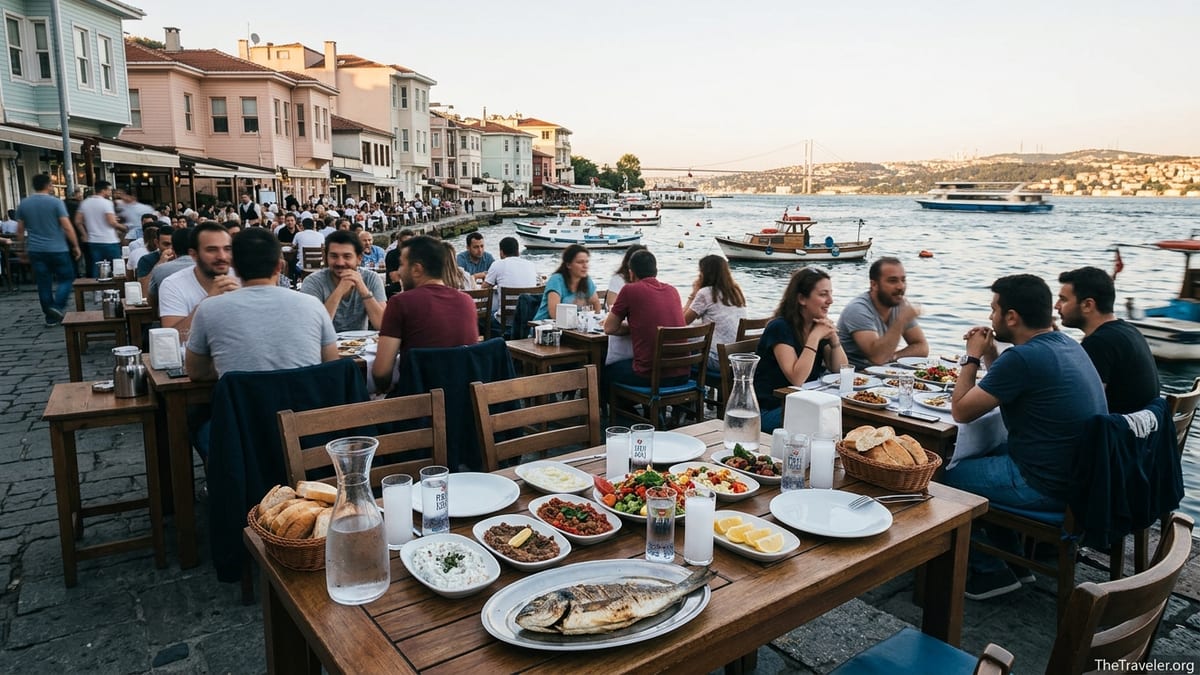
Beşiktaş and its neighboring Bosphorus villages are rich in meyhanes, the traditional Turkish taverns where evenings center on meze, grilled seafood or meat and glasses of rakı. Around Beşiktaş Çarşı and stretching towards Akaretler, you will find a mix of timeworn, fluorescent-lit meyhanes with paper tablecloths and more polished spots with curated meze counters and background music. In Arnavutköy especially, streets behind the waterfront fill with tables on warm nights.
Typical meyhane rhythm starts late by many visitors’ standards. Locals often sit down around 8 or 9 p.m. and linger for hours. You begin by ordering several cold meze from the tray or refrigerated display: white cheese, melon, haydari yogurt dip, atom with chili butter, stuffed vine leaves, fava bean puree, and seasonal vegetable dishes like braised artichokes. A portion may cost 120–200 lira at a mid-range meyhane, and two people might share four or five items before deciding whether to move on to hot starters or a main dish.
Seafood-focused meyhanes in Arnavutköy and Ortaköy might steer you toward grilled octopus, fried calamari or a whole grilled fish as a main course, while in more meat-leaning spots you will see skewers, köfte and occasionally offal dishes. A fish main will typically start from around 600–800 lira in popular waterside neighborhoods, while a meat skewer plate might be a bit less. With a shared bottle of standard rakı or a couple of glasses of wine each, two people at a mid-range meyhane can easily spend 1500–2500 lira by the end of the evening.
Booking is strongly advised at the more sought-after meyhanes in Arnavutköy and along the waterfront, especially on weekends. In Beşiktaş Çarşı proper, you can often walk into smaller, more modest taverns earlier in the evening, though the liveliest ones still fill up quickly after 9 p.m. Expect noise, conversation, and sometimes live music: these are social spaces rather than quiet, intimate restaurants.
Kebabs, Döner and Everyday Turkish Staples
Beyond fish and meze, Beşiktaş is one of the best central districts to explore Turkey’s kebab and döner culture without paying tourist premiums. In streets behind the main square and up towards Ihlamur, you will find small Adana and Urfa kebab grills, pide bakeries and dürüm counters packed with local office workers and students at lunch. Many of these places still offer hearty plates of kebab with rice, grilled tomatoes, peppers and salad for in the region of 250–400 lira.
Karadeniz Döner Asım Usta, on a side street just above Beşiktaş square, is among the city’s most talked-about döner kebab spots and often develops a long queue at lunchtime. Here, döner is sliced thick and piled into bread or served on a plate with rice. Prices move with meat costs, but a satisfying portion typically comes in under 300–400 lira. The operation usually closes in the afternoon once the meat is finished, so it is worth planning an early lunch if you want to try it.
Scattered through Beşiktaş Çarşı are also lahmacun and pide salons, where thin, crisp flatbreads are topped with minced meat, cheese or vegetables and baked to order. These are among the best-value meals in the area, with individual lahmacun often priced around 80–120 lira and larger pides around 200–250 lira. A common pattern for locals is to share a mixed salad and a couple of pides between two or three people, keeping lunch under 200–250 lira per person even with drinks.
For a taste of home-style cooking, look for lokantas such as Balkan Lokantası, a cafeteria-style chain with a branch not far from the Beşiktaş ferry pier. Behind glass you will see trays of stews, vegetable dishes, pilavs and stuffed vegetables; you simply point to what you want and pay at the till. This is one of the easiest ways to sample dishes like kuru fasulye (white beans), güveç (oven-baked stews) or imam bayıldı (stuffed eggplant) without worrying about menus. A full meal with soup, a main and sides can often stay in the 200–300 lira range.
Street Food, Snacks and Budget Eats
Beşiktaş’s student population keeps demand for cheap, filling street food high. Around the main square and the tram turnabout you will see simit sellers with sesame-crusted bread rings, chestnut and corn carts in cooler months and dürüm stands open late into the night. Simit usually costs the equivalent of just a few lira when bought from official stands, while a simple dürüm filled with grilled chicken or meat may range from 150–250 lira depending on size and fillings.
One beloved budget institution is Balkan Lokantası for sit-down trays of cooked food, but for true grab-and-go, keep an eye out for börek shops tucked into the streets running inland from the ferry. Trays of flaky pastries filled with white cheese, minced meat or spinach are baked repeatedly through the day; two or three pieces plus a glass of tea will comfortably fill you up for under 150–200 lira. Mornings are the best time to find everything fresh, and many locals eat börek on the move on their way to work.
Late at night, certain corners near Ihlamur and up towards the stadium are known for their impromptu kebab and köfte carts. These usually operate from the back of a van or a portable grill, offering simple but satisfying sandwiches for around 150–200 lira. Hygiene standards can vary at such informal stands, so if you are cautious, lean towards busy carts frequented by locals and avoid undercooked meat.
Sweet-toothed travelers should not overlook the many pastanes and dessert shops between the market and the main roads. Trays of baklava, şekerpare and sütlaç line the counters, and you can buy pieces by weight or order a single portion to eat with tea or Turkish coffee at a small table. While high-end baklava boutiques in more touristy districts can be pricey, neighborhood pastry shops in Beşiktaş often remain relatively gentle on the wallet.
Bosphorus Dining: Arnavutköy, Ortaköy and Bebek
Heading north along the shore from the Beşiktaş ferry terminal, the character of the neighborhood shifts from market bustle to postcard Bosphorus views. Arnavutköy, Ortaköy and Bebek all belong to the Beşiktaş district and together form one of Istanbul’s most scenic dining stretches. Here, prices rise with the view, but you do not need a huge budget to enjoy a meal or drink by the water.
Arnavutköy is particularly famous for its seafood restaurants housed in restored wooden mansions along the waterfront. Places like Arnavutköy Balıkçısı or similarly styled fish houses offer classic meze and fresh fish, often with outdoor terraces just meters from the water. A simple meal of shared meze, a mid-range fish and a couple of glasses of wine will usually push the bill into the 1500–2500 lira range for two people, and considerably more if you choose premium fish or a full bottle of wine. Even so, many locals still consider these dinners worth it for the combination of food and setting.
Bebek, further north, tends to skew even more upscale, with restaurants such as Bebek Balıkçı combining refined seafood menus with prime Bosphorus frontage. You will also find stylish cafes, patisseries and cocktail bars that stay open late and attract a well-dressed crowd, especially on weekends. Expect coffee and pastry prices here to be higher than in the Beşiktaş market area, and waterfront dinner checks to rival those of fine-dining destinations in other European capitals.
Not every Bosphorus experience needs to be high-end. In Ortaköy, casual tea gardens, kumpir stands and waffle counters line the square by the mosque, and many have simple plastic tables facing the water. Grabbing a modestly priced Turkish tea and a snack, then watching ferries slide past under the Bosphorus Bridge, gives you the essence of waterfront Istanbul for a fraction of the cost of a full restaurant meal. Just be aware that prices at the most tourist-facing stands can be a bit inflated compared with backstreets in Beşiktaş.
Ortaköy Kumpir and Other Local Specialties
Ortaköy is closely associated with kumpir, an overstuffed baked potato that has become a minor Istanbul street-food icon. In the main square behind Ortaköy Mosque you will see a cluster of neighboring kumpir stalls, each with a glass-fronted counter showcasing toppings: cheese, sausage slices, sweetcorn, olives, pickles, Russian salad and more. The seller fluffs the potato with butter and cheese, then piles on whichever toppings you choose.
Prices vary slightly between stalls and with ingredient costs, but expect to pay in the region of 250–350 lira for a fully loaded kumpir in 2026. Portions are substantial and usually enough for a full meal, especially if paired with a soft drink or ayran. Quality can be uneven and some locals argue that the whole kumpir zone has become overly touristy, but it remains a fun, cheap way to eat right next to the Bosphorus, especially in the evening when the square lights up.
Beyond kumpir, Ortaköy is also a good place to try waffles topped with fruit, chocolate and nuts, another local favorite for a sweet snack. Here too, toppings are chosen from a long display, and prices typically range from around 200–300 lira depending on size and extras. As with kumpir, consider asking to see a menu with prices before ordering if you are concerned about surprises, and compare a couple of stalls before deciding.
Back in Beşiktaş proper, do not miss the chance to explore breakfast streets near Çarşı, where simple kahvaltı salons lay out spreads of white and aged cheeses, olives, tomatoes, cucumbers, eggs and fresh bread. Places like Çakmak Kahvaltı Salonu and its neighbors are popular with locals, especially on weekends. A shared breakfast platter for two with unlimited tea often falls in the 300–500 lira range, and is one of the most satisfying and social ways to start a day of exploring the Bosphorus coast.
The Takeaway
Beşiktaş rewards curiosity and a willingness to wander. Rather than planning every meal around one or two famous names, it is better to think in zones: fish and street food in Beşiktaş Çarşı, kebabs and home-style dishes in the backstreets, and seafood or kumpir along the Bosphorus. Prices range from student-friendly snacks to special-occasion feasts, but across the board you will find a strong local clientele and a sense that these places serve Istanbul residents first, tourists second.
If you are short on time, a classic one-day route might be breakfast around the Beşiktaş market, a döner or pide lunch nearby, a walk or short bus ride up the coast to Ortaköy or Arnavutköy, and a seafood or meyhane-style dinner overlooking the Bosphorus. With more days, you can dive deeper into individual streets and return to your favorites. Whatever your schedule, Beşiktaş offers one of the city’s most concentrated and varied snapshots of how Istanbul actually eats.
FAQ
Q1: Is Beşiktaş a good area to stay in for food-focused trips?
Yes. Beşiktaş offers excellent access to everyday eateries, meyhanes and Bosphorus restaurants, and it is well connected by ferry and bus to the rest of Istanbul.
Q2: How much should I budget for a typical dinner in Beşiktaş?
At simple kebab or fish places around the market, plan around 250–400 lira per person without alcohol, while Bosphorus-view seafood or meyhane dinners can easily reach 1000–2000 lira per person.
Q3: Do I need reservations for restaurants in Beşiktaş?
Casual spots and lokantas usually accept walk-ins, but well-known meyhanes and Bosphorus fish restaurants in Arnavutköy, Ortaköy and Bebek often require reservations, especially on weekend evenings.
Q4: Is street food in Beşiktaş safe to eat?
Generally yes, especially from busy vendors with constant turnover. Choose stands with many local customers, avoid food that has been sitting out and be cautious if you have a sensitive stomach.
Q5: What time do locals usually eat dinner in Beşiktaş?
Many locals sit down for dinner between 8 and 9 p.m., and meyhanes often stay lively until close to midnight. Some döner and dürüm stands are busy late into the night.
Q6: Can I find vegetarian options easily in Beşiktaş?
Yes. Meze spreads, vegetable stews at lokantas, pide with cheese or vegetables, börek and kumpir with vegetarian toppings give you plenty of meat-free choices.
Q7: Are Bosphorus-view restaurants worth the higher prices?
For many visitors, yes, especially for a one-time sunset or special-occasion meal. You pay a premium, but combining fresh seafood with a Bosphorus view is a classic Istanbul experience.
Q8: Is tipping expected in Beşiktaş restaurants?
Leaving around 10 percent in cash is customary in restaurants and meyhanes if service is not already added. For small street food purchases, rounding up the bill is appreciated but not required.
Q9: How can I avoid tourist traps when eating in Beşiktaş and Ortaköy?
Prefer places with visible local customers, check menus and approximate prices before sitting, and be cautious of staff aggressively trying to pull you in from the street.
Q10: Are credit cards widely accepted in Beşiktaş eateries?
Most sit-down restaurants and many cafes accept cards, but small street vendors, bakeries and late-night carts may be cash only, so it is wise to carry some Turkish lira.