


Istanbul first-timers often hear the same two neighborhood names over and over when looking for a base outside the traditional tourist zones: Beşiktaş on the European side and Kadıköy on the Asian side. Both are local, lively, and well connected, but they feel very different on the ground. This guide compares them side by side so you can decide which one fits your style, your budget, and your plans in the city.
Get the latest updates straight to your inbox!
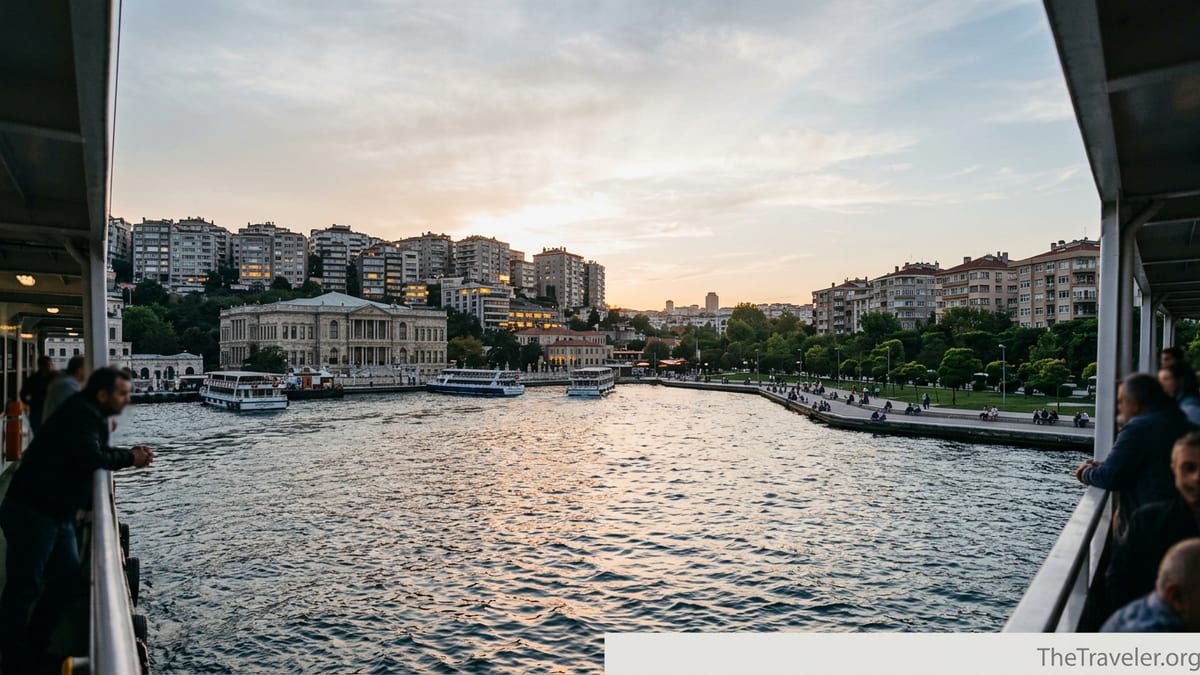
The Big Picture: How Beşiktaş and Kadıköy Feel
Beşiktaş sits on the European shore of the Bosphorus, squeezed between the waterfront, steep hills, and big traffic arteries. At street level, it feels compact, busy and very central. Young people crowd around the Beşiktaş Çarşı area, cafés spill onto the sidewalks, and on match days black-and-white Beşiktaş JK football jerseys fill the streets around Vodafone Park stadium. You are close to Dolmabahçe Palace, upscale Nişantaşı, and Bosphorus neighborhoods like Ortaköy, which makes Beşiktaş popular with visitors who want easy access to classic sights while still sleeping somewhere that feels more local than Sultanahmet.
Kadıköy, by contrast, spreads across the Asian shoreline and into laid-back residential pockets like Moda and Yeldeğirmeni. Around the Kadıköy Bull Statue and market streets, the energy is lively and youthful, but just a 10- to 15-minute walk away you can be on the Moda waterfront lawn with people picnicking, watching the sunset, and listening to buskers. It feels more spacious and residential than Beşiktaş, with far fewer large tour groups; you are surrounded by locals shopping for dinner, students heading to campus, and office workers returning home by ferry.
If you like dense, urban energy and want to be able to walk to major European-side sights, Beşiktaş has the edge. If you prefer a slightly slower pace, more greenery by the water, and the novelty of staying on Istanbul’s Asian side while still being well connected, Kadıköy may be a better fit. Many repeat visitors move to Kadıköy once they have “done” the main monuments, precisely because it feels like the city behind the postcard.
In practical terms, both districts are liberal, generally safe and busy well into the evening. English is widely understood in cafés, bars and hotels, though less so in small local shops and markets. Either can work as a base for a 3- to 5-night stay; the choice is really about your preferred daily rhythm and which side of the Bosphorus you want to wake up on.
Food & Coffee: Everyday Eats vs Culinary Playground
Beşiktaş is a strong all-rounder for food. Around Beşiktaş Çarşı you will find fishmongers, bakeries and small lokantas serving hearty home-style stews and trays of oven-baked dishes. It is easy to grab a simit and tea in the morning from a corner stand before hopping on a ferry. Streets like Şair Nedim and Ihlamurdere Caddesi have casual meyhanes where locals share meze and raki, as well as burger joints, döner counters and dessert shops selling baklava by weight. For a quick local-style lunch, a plate of kuru fasulye (beans) with rice and pickles might cost the equivalent of 4 to 6 US dollars at a modest spot as of 2026, while a fish sandwich along the waterfront will be a bit more.
Kadıköy, however, is where many Istanbulites will direct you if you say you are coming for food. The streets around Kadıköy Çarşı are lined with specialty shops: olive and cheese counters, pickle vendors, spice stalls and dessert patisseries. You can graze from one place to another, picking up a mid-morning börek slice, then stopping for a sit-down lunch of regional Anatolian dishes at a canteen-style restaurant in the market. In recent years, coffee culture has exploded: you can walk from Third Wave café to Third Wave café along streets in Yeldeğirmeni and Moda, each serving carefully sourced beans and homemade cakes.
For travelers on a budget, everyday prices in Kadıköy are often marginally lower than in central European-side districts. A generous lahmacun and ayran combo in a no-frills market eatery might run under 5 US dollars, while a more elaborate dinner at a popular contemporary Turkish restaurant with meze, a main and a drink could be in the 20 to 30 dollar range per person. In Beşiktaş, prices are similar but can creep higher around more touristed arteries or near big hotels.
If your ideal Istanbul day revolves around hunting down the best pide, buying unusual cheeses to snack on in your room, and lingering in cafés with a laptop or a book, Kadıköy offers more depth and variety within easy walking distance. Beşiktaş is excellent if you want very good, very local meals but plan to spend more of your daytime exploring museums and sights further afield rather than treating the neighborhood itself as your main culinary destination.
Nightlife & Evenings Out
Beşiktaş’s nightlife is tightly packed and energetic without being as club-heavy as Beyoğlu’s bar strips. In and around Beşiktaş Çarşı you will find student-heavy bars pouring draft beer, small rock and live-music venues, and meyhanes where evenings stretch from dinner into long conversations over raki. Streets climbing up toward the upscale Akaretler row host smarter wine bars and design-conscious cocktail spots, popular with a crowd that blends locals, expats and visiting creatives.
This makes Beşiktaş a strong pick if you want to head out on foot at night with plenty of options within a 5- to 10-minute walk. It is common for visitors staying near the ferry piers to have dinner among the market streets, then walk up toward Abbasağa Park for a drink with a slightly quieter, more residential atmosphere. On football match nights, the area around the stadium becomes a sea of jerseys and chants; that can be atmospheric to witness, but if you are sensitive to noise, you may want accommodation a bit back from the main roads.
Kadıköy’s nightlife is more spread out but at least as lively. The cluster of streets nicknamed Barlar Sokak near the bull statue is lined with bars pumping out rock, indie and Turkish pop, with crowds spilling into the street on warm nights. Farther into Moda and Yeldeğirmeni, you will find craft beer bars, intimate wine houses and venues mixing live music with DJ sets. The focus tends to be on conversation-friendly places rather than massive clubs, and the crowd is a mix of students, young professionals, and artists who live on the Asian side.
For a visitor, this means Kadıköy can feel both more alternative and more relaxed in the evenings. You might start with meze and raki in a traditional-style meyhane, stroll down to the seaside for a sunset ice cream, then head back into the side streets for live music. Prices for drinks are broadly similar in both districts: a draft beer in a casual bar might cost around 3 to 5 US dollars, cocktails more. Kadıköy’s slightly lower rents mean some bars undercut European-side equivalents, but popular places in both neighborhoods charge typical big-city prices by Turkish standards.
Transport, Ferries & Getting Around
Beşiktaş is one of Istanbul’s classic transport hubs on the European side. From the Beşiktaş ferry piers, you can cross to Kadıköy and Üsküdar in roughly 15 to 25 minutes depending on the specific service and route. Regular city ferries operate throughout the day, and during busy commuter hours boats leave every 15 to 20 minutes. The area is also thick with buses heading up and down the Bosphorus, as well as toward Taksim, Şişli and the main metro interchanges. For many visitors, this means you can reach most central sights without needing taxis, though traffic along Barbaros Boulevard and the waterfront can slow buses at rush hour.
Kadıköy is just as ferry-focused but on the Asian side. From its multiple piers, you can sail straight to Eminönü for the Spice Bazaar area, Karaköy for Galata, and Beşiktaş for Bosphorus connections. Typical ferry journeys across the Bosphorus take around 20 minutes, and many travelers consider them not just transport but a highlight in their own right: you stand on deck, tea glass in hand, watching the skyline of minarets and towers shift as the boat glides across. As of 2026, a single city ferry ride using the Istanbulkart transport card remains very affordable by international standards, usually under 1 US dollar per crossing.
On land, Kadıköy has strong metro and bus links too. The M4 metro line runs from Kadıköy east along the Asian side, important if you are heading to places like the Marmaray connection or Sabiha Gökçen Airport. Trams and buses connect Kadıköy, Moda and neighboring districts, and the nostalgic tram circling Moda makes it easy to move between ferry piers and the quieter residential streets. For day-to-day sightseeing on the European side, staying in Beşiktaş means fewer cross-Bosphorus trips, but many travelers happily use Kadıköy as a base and factor one or two ferry rides into most days.
In practice, if your itinerary is heavy on Sultanahmet monuments and museums like Topkapı Palace, Beşiktaş trims a bit of commuting time, especially if you use buses and the tram. If you are comfortable timing your ferries and like the idea of starting and ending your day on the water, Kadıköy’s cross-city connections are more than good enough and often more pleasant than sitting in road traffic.
Hotels, Budgets & Where to Stay Within Each District
Beşiktaş has a wider range of classic hotels than Kadıköy, including several international chains along the Bosphorus and midrange properties tucked uphill toward Nişantaşı. On or near the waterfront, you will find luxury hotels housed in historic palaces with room rates often in the several-hundred-dollar range per night, especially in peak months. A short walk inland, midrange hotels and apart-hotels offer doubles that might start around 100 to 150 US dollars per night in high season, with basic guesthouses sometimes a bit lower if you do not need a lift or big rooms.
When choosing a Beşiktaş base, look closely at the micro-location. Staying right beside the main roads and ferry piers is convenient but noisy, with traffic and late-night street life. Many visitors prefer streets just uphill from the Çarşı area or closer to Abbasağa Park, where the atmosphere is residential but cafés and buses remain close. If you know you will be out late most nights, a place within a quick walk of Akaretler or the main bar areas saves you climbing steep hills after midnight.
Kadıköy traditionally had fewer hotels, but the area has changed in recent years. Around Kadıköy’s market streets and along the roads toward Moda, you will now find small design hotels, aparthotels and guesthouses aimed at younger travelers and digital nomads. Room rates at well-reviewed midrange properties often start slightly below comparable places in Beşiktaş, especially outside the absolute peak of summer and major holidays, though waterfront-view rooms and trendier design hotels in Moda can command similar prices.
Within Kadıköy, staying near the bull statue and ferry piers is perfect if you plan to cross to the European side frequently and want fast market access, but it can be busy and noisy late into the night. Moda, a 10- to 20-minute walk or short tram ride away, feels more neighborhood-like: low-rise buildings, tree-lined streets, and small parks where people walk dogs and drink tea on benches. Many long-stay visitors choose Moda specifically for this calmer feel while accepting a short commute to the main ferries each day.
Bosphorus & Sea Views: Where to Find the Best Scenery
Beşiktaş wins on immediate Bosphorus drama. Walk a few steps from the ferry terminal and you can watch commuter boats slice past Dolmabahçe Palace, with views north toward the Bosphorus Bridge and south toward the historic peninsula. Cafés along the waterfront, and even some simple tea gardens, allow you to sit almost on the edge of the water with seagulls wheeling overhead. Early mornings and late afternoons are especially atmospheric, when the light softens and office workers line up for ferries under a golden sky.
From Beşiktaş you are also a quick ride or even a pleasant Bosphorus walk away from scenic spots like Ortaköy, where the waterside mosque frames the bridge in countless travel photos. If you do not have time for a separate Bosphorus cruise, simply taking a local ferry from Beşiktaş to Üsküdar or to Kadıköy feels like a condensed version of that experience, particularly at sunset. Many hotels in the district make the most of this, advertising rooms or rooftop terraces with partial Bosphorus views.
Kadıköy offers a different kind of water scenery. The main ferry piers look back across the Bosphorus toward the old city’s silhouette, with the domes of Hagia Sophia and the Blue Mosque clearly visible on clear days. South of the piers, the seaside promenade continues past parks and lawns where people picnic, run and cycle. In Moda, low cliffs and rocky outcrops become evening gathering points, with locals bringing folding chairs, takeaway tea and sunflower seeds to watch the sun sink behind the European side.
In short, Beşiktaş is best if you want to feel immersed in the Bosphorus corridor, watching ships and yachts move up and down the strait. Kadıköy is ideal if you like broader seafront parks and the classic postcard view of Istanbul’s skyline across the water. Many visitors staying in Kadıköy end their day by grabbing a takeaway sandwich or dessert from the market and walking down to Moda’s seaside to eat it beside the sea, which can feel more relaxed than jostling for space on a busy European-side quay.
Itineraries for First-Time Visitors Based in Each Area
If you choose Beşiktaş as your base, a typical first-timer day might start with a simple breakfast at a neighborhood börek shop, then a walk to Dolmabahçe Palace to tour the ornate ceremonial rooms and gardens. From there, you could hop a tram or bus to Sultanahmet for the Blue Mosque, Hagia Sophia and the Grand Bazaar, returning in the late afternoon to rest at your hotel. Evening could mean dinner in Beşiktaş Çarşı followed by drinks uphill in Akaretler or a peaceful stroll along the Bosphorus promenade.
Another Beşiktaş-based day could focus on the water itself: take a morning ferry up the Bosphorus or join a short cruise from a nearby pier, stopping in Arnavutköy or Bebek for coffee on the waterfront, then returning via bus or ferry. If time allows, wander through nearby Yıldız Park, a large green space that feels surprisingly removed from the city noise. Back in Beşiktaş, you might watch a football match in a local bar or, if your dates align and you can secure tickets, experience a game at Vodafone Park.
From a Kadıköy base, one classic day is “Asian-side immersion.” Start by walking through Kadıköy Çarşı, snacking on simit or açma, and visiting the fish and produce market. Continue into Moda for coffee in a small café and a stroll along the waterfront, perhaps riding the nostalgic tram part of the way. In the late afternoon, settle on the seaside rocks or park benches to watch the sunset over the old city, then head back toward the bull statue area for meze and a few drinks on Barlar Sokak.
A second Kadıköy day could be “crossing to the classics.” Take a morning ferry to Eminönü, visit the Spice Bazaar, then walk or tram into Sultanahmet for the major monuments. After a full day of sightseeing, instead of staying in the busy center for dinner, you can escape back to Kadıköy on an evening ferry, eating a casual meal in the market streets before returning to your quieter guesthouse in Moda. Many travelers find that this routine of sightseeing in the tourist core and “coming home” to Kadıköy in the evenings keeps their trip balanced and less overwhelming.
The Takeaway
Both Beşiktaş and Kadıköy offer what many visitors say they wanted but did not always find in the more touristed quarters of Istanbul: a sense of how the city actually lives. Markets full of locals shopping, students crowding into cafés, ferries packed with commuters, and bars buzzing late into the night are the everyday backdrop in both areas. The difference lies in emphasis and geography more than in a simple “better or worse.”
Choose Beşiktaş if you want to be firmly on the European side, close to big-ticket sights and museums, with fast connections up and down the Bosphorus and to Taksim. It suits travelers who like urban density, do not mind hills or traffic noise, and plan to spend substantial time exploring nearby attractions like Dolmabahçe Palace, Ortaköy and Nişantaşı. You will pay a little more for some hotels and meals, but gain back time in shorter daytime commutes.
Choose Kadıköy if you want a slightly slower, more residential experience while still having excellent food, nightlife and ferry access. It is especially appealing for longer stays, food-focused trips, or travelers who like the idea of starting and ending their days on the water, commuting across the Bosphorus to the main historic sites. You will likely stretch your budget a bit further on the Asian side, particularly when it comes to everyday meals and midrange accommodation.
For many, the ideal solution is to stay in one district but plan at least one dedicated evening or full day in the other. That might mean basing yourself in Beşiktaş yet spending a long afternoon and night in Kadıköy’s markets and bars, or vice versa. Experimenting this way makes it easier to decide where you would stay next time. Whichever side of the Bosphorus you choose as home base, regular ferries ensure the “other” side never feels far away.
FAQ
Q1. Which area is better for first-time visitors, Beşiktaş or Kadıköy?
For a short first visit focused on major historic sights, Beşiktaş has a slight edge because it reduces cross-Bosphorus travel time, though Kadıköy is just as manageable if you enjoy riding ferries and want a more residential feel.
Q2. Is Kadıköy really too far from the main tourist attractions?
No. A typical ferry from Kadıköy to Eminönü or Karaköy takes around 20 minutes, after which you can walk or tram to key sights. You will spend a bit more time commuting than from Beşiktaş, but many travelers find the ferry ride relaxing and scenic enough to be part of the experience.
Q3. Where will I find better food, Beşiktaş or Kadıköy?
Both have excellent food, but Kadıköy is often considered the stronger choice for variety and depth, especially if you like markets, street food and café-hopping. Beşiktaş still offers plenty of great local meals, particularly around its market streets, just on a slightly smaller scale.
Q4. Which neighborhood is more budget-friendly?
In general, everyday costs such as casual meals and some accommodation options can be a bit lower in Kadıköy, reflecting its more residential character. Beşiktaş, with its closer proximity to major European-side sights and higher hotel density, may be a touch more expensive, especially near the Bosphorus.
Q5. Is one area safer than the other at night?
Both Beşiktaş and Kadıköy are busy, lived-in neighborhoods that locals use day and night, and both are considered among Istanbul’s safer, more liberal districts. As always, normal big-city precautions apply: stick to well-lit streets, keep valuables secure, and avoid very late solo walks down empty alleys.
Q6. Which side should I choose if I love nightlife?
If you prefer compact, energetic bar streets close to the city center, Beşiktaş is a strong option. If you like a slightly more alternative scene with live music, craft beer bars and the possibility of ending the night on a quiet seaside bench, Kadıköy and nearby Moda are excellent.
Q7. How do ferry schedules affect where I should stay?
Ferries between Kadıköy, Beşiktaş, Eminönü and Karaköy run frequently throughout the day and evening, but late-night services thin out. If you plan to stay out past midnight on the opposite side of the Bosphorus, check the last boat times and consider whether a taxi back over one of the bridges fits your comfort and budget.
Q8. Are there good hotel options in Kadıköy, or is Beşiktaş better for that?
Beşiktaş has more traditional hotel choices, including luxury properties and well-known chains. Kadıköy’s offering is smaller but growing, with many stylish boutique hotels and aparthotels, especially around the market area and in Moda, which can work very well for independent travelers.
Q9. Which area suits digital nomads or longer stays?
Kadıköy, particularly Moda and Yeldeğirmeni, tends to appeal more to digital nomads thanks to its dense café scene, quieter residential streets and slightly lower everyday costs. Beşiktaş can also work, especially for those who want faster access to European-side co-working spaces and meetings.
Q10. If I can only spend one evening in the “other” district, what should I do?
If you are based in Beşiktaş, spend an afternoon and evening in Kadıköy’s market, then walk to Moda for sunset by the sea and finish with drinks on Barlar Sokak. If you are based in Kadıköy, ferry to Beşiktaş, visit Dolmabahçe Palace or stroll to Ortaköy, then return to the Beşiktaş Çarşı area for a classic meyhane dinner and a nightcap uphill in Akaretler.