


Beşiktaş and Taksim sit barely 2 kilometers apart, yet the short trip between them can feel very different depending on how you travel. The route climbs from the Bosphorus waterfront at Beşiktaş up to the plateau of Taksim Square and İstiklal Avenue, passing Dolmabahçe Palace, busy stadium junctions and some of Istanbul’s steepest inner city streets. This guide breaks down the main ways to get from Beşiktaş to Taksim by walking, bus, taxi and shared vehicles, with practical tips for luggage, late-night travel and combining the area with nearby İstiklal Avenue.
Get the latest updates straight to your inbox!
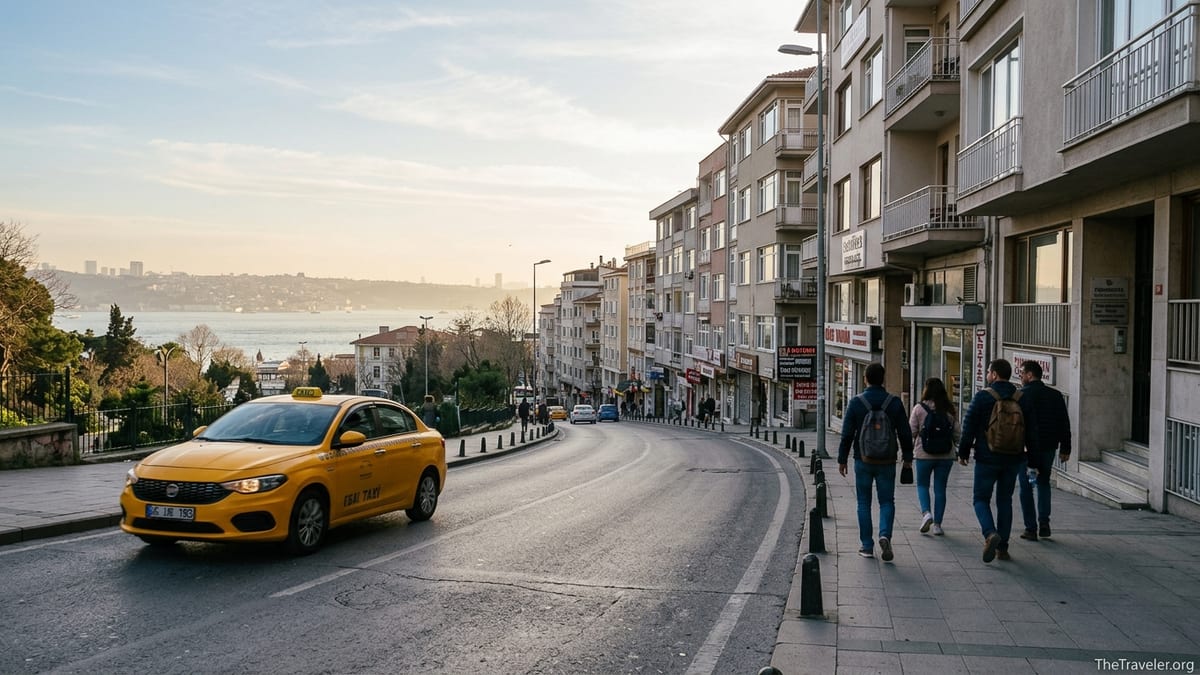
Understanding the Route from Beşiktaş to Taksim
The distance between Beşiktaş Meydanı (Beşiktaş Square) and Taksim Square is roughly 2 to 2.5 kilometers depending on the route you follow. At sea level, Beşiktaş feels like a waterfront neighborhood, lined with ferry piers and tea gardens. Taksim, by contrast, sits on higher ground and serves as a major transport hub, the starting point of the M2 metro line and the gateway to İstiklal Avenue.
The most direct road route climbs inland from the Beşiktaş waterfront past Vodafone Park stadium and the lower edge of Maçka Park before emerging near Gümüşsuyu and Taksim. This is the route most taxis and buses follow. A more scenic way hugs the Bosphorus to Dolmabahçe Palace and then cuts uphill. On a map this looks simple, but the gradient is the main factor to consider. The climb from Dolmabahçe up to Taksim includes several steep blocks that can be tiring in summer heat or with luggage.
Travel time is highly dependent on traffic and time of day. In light traffic a taxi might cover the distance in 7 to 10 minutes. At weekday rush hour, especially late afternoon when the stadium area and Dolmabahçe junction clog up, the same route can take 20 minutes or more. Walking time between Beşiktaş and Taksim is usually 25 to 35 minutes for most visitors, assuming a few photo stops along the way.
Before choosing how to travel, think about your priorities. If you are staying in a hotel in lower Gümüşsuyu with heavy bags, the short taxi ride might be worth it even in slow traffic. If you want to enjoy the waterfront and palace views, a relaxed stroll via Dolmabahçe can double as sightseeing. Those on a budget or carrying only daypacks often combine a short bus ride with a short walk to avoid the steepest sections.
Walking Between Beşiktaş, Dolmabahçe and Taksim
Walking from Beşiktaş to Taksim is very doable for most reasonably fit travelers and is one of the best ways to understand the layout of this part of Istanbul. From Beşiktaş Square, start by heading toward the main coastal road where the ferries to Üsküdar and Kadıköy depart. Turn left with the water on your right and walk in the direction of Kabataş. Within about 10 to 12 minutes you will reach the grand gates of Dolmabahçe Palace, passing small parks, cafes and views across to Üsküdar along the way.
Many visitors choose to visit Dolmabahçe Palace as a stop on this walk. Plan on at least 2 to 3 hours for the palace and harem if you are going inside, and expect security checks at the entrance. When you exit, you rejoin the same coastal road, continuing a short distance until a main junction where roads climb up toward Taksim and the modern football stadium. This is the point where the route turns uphill.
From Dolmabahçe up to Taksim you have a few walking options. The most straightforward is to follow the Gümüşsuyu Caddesi, the broad road that runs roughly parallel to the Taksim–Kabataş funicular line. This section is noticeably steep for several blocks. Many locals walk it every day, but it can be demanding in hot weather. An alternative, slightly less intense option is to angle left through Maçka Park, using the park paths and pedestrian bridges to break up the climb. This route is less direct but more pleasant, with trees and benches where you can pause.
If you are carrying a suitcase, consider splitting the walk. One common tactic is to walk the flat waterfront section from Beşiktaş to Dolmabahçe, then take the Taksim–Kabataş funicular for the steep part up to Taksim. This saves your legs while still letting you enjoy the Bosphorus views. Many travelers do this in reverse too, walking downhill from Taksim through Gümüşsuyu or Maçka to the palace and then along the water to Beşiktaş in the cooler late afternoon.
Using Buses and Public Transport from Beşiktaş to Taksim
Beşiktaş is one of Istanbul’s busiest bus hubs, with dozens of İETT buses passing through the main stops behind the ferry piers. Several of these run up toward Taksim or pass close enough that you can connect with a short walk. For example, buses heading toward Taksim, Şişli or Mecidiyeköy frequently climb the hill past the stadium and Gümüşsuyu, dropping you a few minutes’ walk from Taksim Square. You will see electronic signs listing destinations; anything mentioning Taksim, Gümüşsuyu or Harbiye is likely to help.
To use city buses you need an Istanbulkart, the reloadable smart card used on almost all public transport. You can buy one from small kiosks around Beşiktaş Square and load it at yellow or blue machines marked with Istanbulkart branding. As of early 2025, a single bus ride costs the equivalent of only a few US dollars or less, making this by far the cheapest way to travel between Beşiktaş and Taksim. Fares are adjusted periodically, but remain affordable for short central journeys.
A common public transport combination is to take a short bus ride or walk from Beşiktaş to Kabataş, then use the F1 Taksim–Kabataş funicular to reach Taksim Square. The funicular runs underground and connects the seafront with the hilltop in about 2 minutes. It uses the same Istanbulkart system as the buses and trams. For many visitors staying in Beşiktaş hotels near the shoreline, this combination offers a good balance of cost and comfort, with minimal uphill walking.
One thing to keep in mind is congestion at peak times. Buses leaving Beşiktaş in the late afternoon can be crowded with commuters, especially on weekdays. If you are carrying bags or dislike standing in packed vehicles, consider traveling outside rush hour or taking the funicular from Kabataş instead. Early morning and late evening outside of nightlife peaks are usually more comfortable times to travel.
Taxi and Ride-Hailing: When the Short Ride Makes Sense
For many travelers with luggage or mobility issues, a taxi from Beşiktaş to Taksim is worth the small expense. Istanbul’s official yellow taxis use meters and as of early 2025 the opening fare is just over 40 Turkish lira, with a citywide minimum fare for short trips that is higher than many single metro or bus rides. For such a short distance, you can expect to pay roughly around that minimum fare, with the exact amount depending on traffic and the precise start and end points.
In practical terms, that means a typical taxi ride from Beşiktaş Meydanı up to a hotel on or just off Taksim Square will often cost a sum comparable to a light cafe meal in the city. If you are exhausted after a long day, carrying a heavy suitcase, or arriving late at night when you prefer door to door transport, that cost is usually easy to justify. The main downside is traffic. At evening rush hour or after a major football match at Vodafone Park, the climb between Beşiktaş and Taksim can become clogged, and you may find yourself paying the meter to sit almost still.
To reduce stress and minimize the risk of scams, many visitors now use local ride-hailing apps such as BiTaksi or the Uber app operating with licensed Istanbul taxis. These apps show an approximate fare and route before you confirm, help avoid arguments over the meter, and provide a record of the ride. When hailing a taxi on the street in Beşiktaş, always check that the meter is reset and running, and avoid drivers who offer a fixed price for such a short central journey. Locals typically allow the taxi to move a minute or two, then glance at the meter to confirm it has started correctly.
Late at night, taxis can be the most straightforward choice between Beşiktaş and Taksim, particularly if buses are infrequent and the streets feel quieter. The route is well lit and heavily trafficked even after midnight, and many people move between bars around Beşiktaş Çarşı and clubs near Taksim by taxi. Sharing a taxi with friends can bring the per person cost close to public transport while avoiding the steep walk uphill.
Dolmuş, Shared Taxis and the Dolmabahçe Corridor
In addition to standard buses and taxis, Istanbul has long relied on intermediate options such as dolmuş and minibuses. These shared vehicles follow fixed routes, usually displayed in the front window, and passengers hop on and off by signaling the driver. On the European side, some dolmuş lines connect residential districts to central hubs like Taksim, often passing near Beşiktaş or Dolmabahçe along the way. They can be a flexible and inexpensive option if you are comfortable in more local, sometimes crowded transport.
The coastal corridor between Beşiktaş, Dolmabahçe and Kabataş is particularly rich in shared and public transport. Many travelers headed from Beşiktaş to Taksim for the first time start by exploring this strip. After a tea at a waterfront cafe in Beşiktaş, you can hop into a shared minibus heading toward Kabataş or Eminönü, getting off at the lights near Dolmabahçe Palace. From there you decide whether to continue by funicular, taxi or on foot up to Taksim Square.
One of the advantages of using shared vehicles along this corridor is how easy it is to change your plan on the move. If you find a dolmuş crowded or noisy, you can get off at Dolmabahçe and switch to a quieter taxi or walk through Maçka Park instead. Conversely, if you start walking from Beşiktaş and realize the hill ahead looks steeper than you expected, you can pivot at the palace gates, hail a taxi or catch a bus the rest of the way.
Payment on dolmuş and minibuses is typically in cash, paid directly to the driver or passed forward from passengers. Fares are low, but seats are limited, and luggage space is minimal. If you are traveling with a large suitcase or several bags, it is more considerate and comfortable to use a taxi or bus rather than trying to squeeze into a shared minibus on the Dolmabahçe corridor.
Hills, Luggage and Choosing the Right Option
The main geographic challenge between Beşiktaş and Taksim is the elevation gain. From the waterfront to Taksim Square the climb is enough to leave many travelers slightly out of breath, particularly in summer or while fasting during Ramadan. Streets like Gümüşsuyu Caddesi are long and straight, which makes the hill feel more visible, while paths through Maçka Park break the climb into shorter segments but still require effort.
If you are arriving from a Bosphorus cruise at Beşiktaş or Kabataş and have only a small daypack, walking either all the way up or partly via Dolmabahçe can be an enjoyable way to transition into the Taksim and İstiklal area. However, anyone with knee problems, limited mobility or very young children should think carefully before committing to the full walk uphill, especially in midday heat. In these cases, a combination like funicular plus a short, mostly flat walk to your hotel is often much more comfortable.
Luggage is the other deciding factor. Rolling a suitcase along the flat promenade between Beşiktaş and Dolmabahçe is easy enough; many pavements here are wide and relatively smooth. The problems start when you turn uphill. Some sidewalks on the climb are narrow, tilted or interrupted by driveways and steps. Pulling a large suitcase up from Dolmabahçe to Taksim can quickly become tiring and may wear down your suitcase wheels. If you are checking out of a Beşiktaş hotel and heading to an apartment off İstiklal, it is usually worth taking a taxi directly door to door.
A practical rule of thumb for first-time visitors is to walk this route only when you are carrying what you would be happy to keep on your shoulder for half an hour: a backpack, tote or small cabin roller. Anything heavier and a motorized option becomes appealing. Remember that Istanbul’s public transport runs relatively late in the evening, so even if you stay for dinner in Beşiktaş, you can still ride a bus or funicular up to Taksim after dark instead of tackling the hill on tired legs.
Combining Beşiktaş, Taksim and İstiklal Avenue in One Outing
Many visitors want to experience Beşiktaş’s local vibe, Taksim’s central square and the full length of İstiklal Avenue in a single day or long evening. With some planning, you can link all three in a smooth loop without backtracking too much or overexerting yourself on the hills. The key is to decide where you want to start and how you prefer to finish your day.
One popular itinerary begins in Beşiktaş late morning. After a traditional Turkish breakfast in the lively Beşiktaş Çarşı area, you stroll along the waterfront to Dolmabahçe Palace, tour the palace in early afternoon, then ride the funicular or take a taxi up to Taksim Square to arrive just as the light softens. From there, you can wander the length of İstiklal Avenue, stopping at passages, churches and coffee houses, ending near Galata Tower at dusk.
Another option starts from Taksim. You might ride the M2 metro to Taksim in the morning, walk a section of İstiklal Avenue while it is still relatively quiet, then descend via Gümüşsuyu or Maçka toward Dolmabahçe and walk the final flat stretch to Beşiktaş in the cooler late afternoon. Dinner in Beşiktaş, perhaps on a rooftop terrace with Bosphorus views, sets you up to either taxi back up to your hotel near Taksim or catch a late bus.
Travelers who love night life often reverse the pattern: spending the daytime in historic districts like Sultanahmet or Karaköy, then coming to Beşiktaş for dinner before taking a taxi or bus up to Taksim and İstiklal for bars and live music. In that case, think about how you want to return. If your hotel is in Beşiktaş, a late taxi back down is convenient and relatively inexpensive per person, especially if shared among two or three friends after midnight when buses thin out.
Late-Night Travel and Safety Considerations
Both Beşiktaş and Taksim remain lively into the late evening, particularly on Thursdays, Fridays and Saturdays. Streets between them are well lit and heavily trafficked, which makes late-night travel by taxi or bus relatively straightforward. However, services can be less frequent after midnight, and some bus lines reduce their schedules, so it is safer not to rely on a specific late-night bus unless your hotel or host has confirmed current timetables.
In practice, most locals and visitors moving between these neighborhoods at night use taxis or supervised ride-hailing. From Taksim Square, taxis queue around the main taxi stand, and from Beşiktaş you will find taxis circulating near the ferry piers and main square at most hours. If you are leaving a busy bar street in Beşiktaş Çarşı after 1 a.m., walking a couple of minutes to the main road by the waterfront will usually give you more options and clearer visibility for hailing a cab.
When using taxis late at night, it is wise to take a quick photo of the license plate or start the ride through an app. This is as much about peace of mind as practicality. Solo travelers may prefer to sit in the back seat and keep valuables out of sight. It is extremely rare for issues to occur on the short Beşiktaş–Taksim run, but the same basic precautions you would use in any large city apply.
If you do choose to walk uphill at night, perhaps after a concert near Dolmabahçe or a waterfront cafe in Beşiktaş, stick to main roads like Gümüşsuyu and avoid poorly lit side streets. Many local residents walk this way daily, and you are likely to see joggers and dog walkers even late. That said, fatigue and alcohol can make the hill feel steeper and increase the risk of simple missteps, so balancing enjoyment with comfort and safety is important.
The Takeaway
Despite the short distance, the trip from Beşiktaş to Taksim offers a compact lesson in Istanbul’s geography, from the Bosphorus waterfront up to a busy central plateau. Walking gives you palace views and neighborhood details but demands some stamina on the hill. Buses and the Taksim–Kabataş funicular provide cheap, efficient alternatives that avoid the steepest section. Taxis and ride-hailing add comfort, particularly with luggage or late at night, without breaking most travel budgets for such a short hop.
By mixing and matching these options, you can turn a simple transfer into part of your itinerary. Stroll from Beşiktaş to Dolmabahçe, ride the funicular up, explore Taksim and wander down İstiklal Avenue. Or reverse the route and end with sunset by the water. With a little planning and awareness of hills, traffic and your own energy level, linking Beşiktaş, Taksim and İstiklal can become one of the most enjoyable parts of your time in Istanbul.
FAQ
Q1. How long does it take to walk from Beşiktaş to Taksim?
Most visitors need about 25 to 35 minutes to walk from Beşiktaş Square to Taksim Square, depending on pace, photo stops and which uphill route they choose.
Q2. Is the walk from Dolmabahçe to Taksim very steep?
The section between Dolmabahçe and Taksim is noticeably steep for several blocks, especially along Gümüşsuyu Caddesi, and can feel demanding in hot weather or with luggage.
Q3. What is the easiest way to avoid the hill with luggage?
Walk or bus from Beşiktaş to Kabataş or Dolmabahçe, then take the Taksim–Kabataş funicular or a short taxi ride up to Taksim to skip the steepest part.
Q4. How much does a taxi from Beşiktaş to Taksim usually cost?
With the current minimum taxi fare in Istanbul, a typical ride between Beşiktaş and Taksim costs roughly around that minimum amount, varying slightly with traffic and exact addresses.
Q5. Are there direct buses from Beşiktaş to Taksim?
Several İETT bus lines from Beşiktaş head toward Taksim, Gümüşsuyu or nearby hubs. Look for buses signed to Taksim or Harbiye and confirm with the driver before boarding.
Q6. Is it safe to walk between Beşiktaş and Taksim at night?
The main routes between Beşiktaş, Dolmabahçe and Taksim are busy and well lit, and many locals walk them, but at very late hours many visitors prefer taxis or ride-hailing for comfort.
Q7. Can I combine Beşiktaş, Dolmabahçe and İstiklal Avenue in one day?
Yes. A common loop is Beşiktaş to Dolmabahçe by foot, then funicular or taxi to Taksim, followed by a walk along İstiklal Avenue toward Galata in the afternoon or evening.
Q8. Do I need an Istanbulkart to travel between Beşiktaş and Taksim?
An Istanbulkart is required for buses and the funicular and makes travel simple and cheap. You can buy and top it up at kiosks and machines around Beşiktaş and Taksim.
Q9. Are there good viewpoints on the route?
Yes. The waterfront between Beşiktaş and Dolmabahçe offers Bosphorus views, and higher up near Gümüşsuyu you can look back over the stadium and water toward the Asian side.
Q10. What is the best option late at night after bars or concerts?
After midnight, taxis or app-booked rides are usually the most convenient and comfortable between Beşiktaş and Taksim, especially if you are tired or traveling in a small group.