


Beşiktaş is where Istanbul’s European shore feels most alive: ferries crisscrossing the Bosphorus, fans in black and white jerseys, palace walls along the water, and smoky tea gardens facing the strait. For visitors, this compact district offers a perfect day (or two) of palaces, leafy parks, museums, busy markets and some of the best waterfront promenades in the city. This guide walks you through the essential stops, from Dolmabahçe Palace and Yıldız Park to Beşiktaş Çarşı, Ortaköy’s kumpir stands and unforgettable Bosphorus views.
Get the latest updates straight to your inbox!
Getting Oriented in Beşiktaş
Beşiktaş sits on the European side of Istanbul between Karaköy and the first Bosphorus Bridge, with the sea in front and hills rising steeply behind. The core area for visitors is a triangle: Dolmabahçe Palace on the waterfront, Beşiktaş Square and Çarşı just uphill, and Ortaköy further northeast along the shore under the bridge. You can walk much of it in a day if you are comfortable with some hills and stairs.
From central Sultanahmet, many travelers reach Beşiktaş by taking the tram to Kabataş and then walking about 15 minutes along the waterfront, or by using ride-hailing and taxis. From Taksim, frequent buses and minibuses drop you on or near Barbaros Boulevard at Beşiktaş Square. Once you arrive, the district is best explored on foot and by ferry: the main Beşiktaş ferry pier has frequent departures to Kadıköy and Üsküdar on the Asian side, which also serve as scenic “mini–Bosporus cruises” for a few dollars using your Istanbulkart transit card.
Beşiktaş is busy at almost all hours. Morning brings commuters rushing for ferries and students heading to nearby universities. Afternoons belong to shoppers and café-goers, while evenings can be packed with football fans if Beşiktaş JK are playing at their stadium near Dolmabahçe. If you prefer quieter streets, aim for weekday mornings or early afternoons and save weekend nights for people-watching from a café table.
Dolmabahçe Palace and Waterfront Promenade
Dolmabahçe Palace is Beşiktaş’s star attraction and one of Istanbul’s most lavish Ottoman residences. Built in the mid-19th century as the empire’s modern waterfront palace, it combines European-style ballrooms with traditional Ottoman details. Today it operates as a museum complex with three main ticketed areas: the Selamlık (the ceremonial section), the Harem and the Painting Museum in a side wing. Combined tickets usually cost the equivalent of several dozen US dollars for adults, with discounted admission for Turkish citizens, students and seniors. Audioguides are typically included or available for a small extra fee.
Security checks and timed-entry systems can create lines at Dolmabahçe, so arriving early in the day is wise, especially in peak months from April through October. Inside, tours move along a fixed route through crystal chandeliers, French parquet floors and richly decorated reception halls. Photography rules can change; expect that flash is not allowed and that in some rooms staff may ask you not to take photos at all. Modest dress is appreciated, though there is no formal dress code beyond standard museum etiquette.
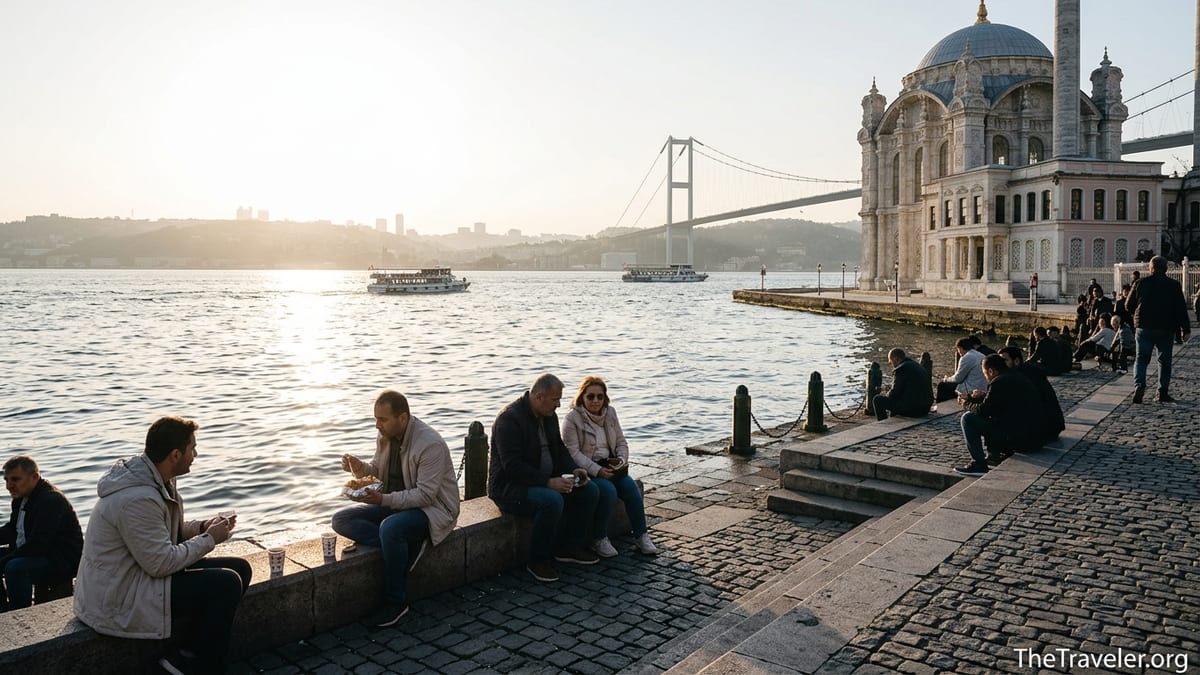
Once you exit, take time to enjoy the palace’s waterfront. The promenade outside the complex, stretching toward Beşiktaş Square, offers long views across to Üsküdar’s Mihrimah Sultan Mosque and the Asian-side skyline. Locals use the low sea walls as impromptu benches, sipping takeaway tea from paper cups sold at small stands near the stadium. Around sunset, this stretch can be one of the most photogenic spots in the district, especially on clear days when the sky glows pink behind the outlines of ferries and fishing boats.
Yıldız Park and the Green Side of Beşiktaş
Just uphill from the bustle of the coast, Yıldız Park offers a rare expanse of greenery in central Istanbul. Spread across a steep hillside between Beşiktaş and Ortaköy, it once formed the private grounds of Yıldız Palace and still feels like a wooded estate rather than a simple city park. Walking paths weave under pine and plane trees, with small ponds, stone bridges and viewpoints overlooking the Bosphorus.
Most visitors enter from the lower Beşiktaş side near Çırağan Caddesi, then follow the main road or smaller paths uphill. The climb is fairly steep, so comfortable shoes are essential. On your way you may pass families grilling at designated picnic areas, older residents walking laps for exercise and wedding parties posing in front of the ornamental kiosks and pavilions, especially near the historic Malta and Çadır pavilions that now host cafés and event spaces.
Prices at park cafés are usually higher than in the surrounding streets, but many travelers consider it worth paying a little extra for a glass of Turkish tea or Turkish coffee with a view over the treetops to the Bosphorus. You are allowed to bring your own snacks and drinks, which makes Yıldız Park a pleasant stop for a low-cost picnic between visiting Dolmabahçe and Ortaköy. In spring and early summer, the park becomes especially lush, with flowering shrubs and cooler shade than the seafront below.
Beşiktaş Square, Çarşı and Everyday Neighborhood Life
Beşiktaş Square and the surrounding Çarşı (market) streets are the social heart of the district. The square itself is more of a busy plaza than a traditional park, ringed by bus stops, the main ferry pier and a cluster of simit sellers and small kiosks. Nearby stands the statue of Barbaros Hayreddin Pasha, the Ottoman admiral after whom the main boulevard is named. Around rush hour, you will see lines for ferries, teenagers sharing sunflower seeds on the steps and office workers grabbing simit or borek for a quick snack.
Step into the narrow Çarşı streets and the atmosphere changes from transit hub to neighborhood market. Small fishmongers display gleaming anchovies and mackerel on crushed ice, while vegetable stalls spill peppers, tomatoes and herbs onto the sidewalks. Traditional lokantas serve trays of home-style dishes like stuffed peppers, green beans in olive oil and lamb stews at lunch, often for less than the cost of a single main course in more touristed districts. Many travelers build a meal by pointing to dishes behind the glass; staff are used to visitors and are generally happy to help in simple English.
Cafés and third-wave coffee shops have multiplied in Çarşı in recent years, attracting students from nearby universities and digital nomads. A typical cappuccino costs only a little less than in Western Europe, but the people-watching is excellent and Wi-Fi is common. Football culture is strong here: on match days, many bars and meyhanes hang Beşiktaş JK flags and screens, and streets can fill with fans in black-and-white jerseys singing club songs long before kickoff at the nearby stadium.
Culture by the Water: Istanbul Naval Museum and Stadium Area
On the stretch of coast between Dolmabahçe Palace and Beşiktaş Square you will find the Istanbul Naval Museum, one of the most significant such collections in the country. The modern main building faces the sea with floor-to-ceiling glass, and inside you can see historic imperial caiques, naval uniforms, models and paintings. For travelers interested in Ottoman maritime history or simply curious about the gilded boats once used by sultans on the Bosphorus, it is an atmospheric stop for one to two hours.
Ticket prices for the Naval Museum are typically modest compared with palace admission and may be reduced further with museum cards that cover multiple sites across Turkey. Exhibits include English-language explanations, though more technical sections may still skew toward Turkish. Families often appreciate the open layout of the main hall, where children can walk around the enormous ceremonial boats and get a sense of their scale compared with modern ferries gliding past outside.
Nearby, the modern stadium of Beşiktaş JK is a landmark in its own right, replacing a historic ground on the same site. Even if you are not a football supporter, the area around the stadium is worth passing through as part of a waterfront walk between Dolmabahçe and Beşiktaş Square. On non-match days, the wide pavements function as an informal promenade where locals jog, walk their dogs and queue at mobile tea and corn-on-the-cob stands. On match nights, be prepared for heavy police presence, road closures and a loud, festive atmosphere as thousands of fans converge on the stadium.
Ortaköy: Mosque, Kumpir and Bosphorus Views
Continue northeast along the water or take a short bus ride from Beşiktaş Square and you reach Ortaköy, one of Istanbul’s most photographed waterfront neighborhoods. Its focal point is the 19th-century Ortaköy Mosque, an ornate Ottoman baroque structure set directly on the water, with the Bosphorus Bridge rising behind it. This combination of mosque, bridge and sea has become a postcard image of modern Istanbul, and at any hour you will see visitors lining up to capture the same angle.
The square around the mosque is as famous for food as for views. Dozens of stalls sell kumpir, enormous baked potatoes mashed with butter and stretchy kaşar cheese before being loaded with toppings like olives, corn, pickles, Russian salad and sausage. Prices change with inflation but expect to pay the equivalent of a simple sit-down meal for one very filling potato. Locals often grab a kumpir and then sit on the low sea wall or benches facing the Bosphorus, turning dinner into a casual open-air picnic while ferries and small tour boats glide past.
In addition to kumpir, Ortaköy’s streets are lined with waffle stands and dessert shops. On weekends there is usually a small craft and souvenir market where independent vendors sell jewelry, handmade soaps, paintings and calligraphy. Many travelers combine a visit with a short Bosphorus boat tour departing from Ortaköy’s pier; these one- to two-hour cruises cost more than a standard ferry but provide commentary and more dedicated sightseeing, often continuing up toward the second bridge.
The mosque itself is open to visitors outside prayer times, with modest dress and covered shoulders and knees expected. Women are provided with scarves if needed. Inside, you will find a bright prayer hall with large windows overlooking the water. For a calmer experience, aim to visit in the morning on weekdays. On sunny weekend afternoons, the square can be extremely crowded, with lines at the kumpir stalls and very limited seating by the water.
Waterfront Walks, Ferries and the Bosphorus at Your Feet
One of the simplest pleasures in Beşiktaş is to walk the waterfront and take short ferry rides as if you were a local commuter. The promenade from Dolmabahçe to Beşiktaş Square, and further along toward Ortaköy where pavement allows, offers constant views across to Üsküdar and the Asian side. On good-weather evenings, fishermen set up along the railings, and couples sit shoulder to shoulder on the low walls with plastic cups of tea from nearby kiosks.
From the Beşiktaş ferry piers, regular city ferries run to Kadıköy and Üsküdar. Payment is by contactless Istanbulkart, the same card used on trams and buses, and the fare is typically only a bit higher than a tram ride. Crossing takes about 20 minutes, long enough to enjoy a glass of tea from the onboard canteen and watch cormorants diving in the ferry’s wake. Many travelers ride over to Kadıköy for dinner or to Üsküdar for sunset, then return to Beşiktaş under the evening lights.
If you prefer a more traditional Bosphorus cruise without committing half a day, consider the shorter public routes that start from nearby piers like Kabataş and Eminönü and pass by Beşiktaş and Ortaköy. These cruises usually cost less than private yacht rentals marketed on the docks, though the latter can make sense for small groups willing to share the cost for a more private experience. In all cases, bring a light jacket; even in summer the breeze on the Bosphorus can feel cool once the sun dips.
Cafés, Breakfasts and Evening Drinks with a View
Beşiktaş excels at casual eating and drinking with a sense of place. In Çarşı, traditional breakfast salons serve generous Turkish breakfast spreads from early morning, with baskets of bread, olives, cheeses, eggs and endless tea. Prices remain reasonable for what you get, especially if you share a set breakfast for two or three people rather than ordering separate plates. Many travelers like to start the day this way before tackling Dolmabahçe or climbing up to Yıldız Park.
Toward Ortaköy, waterfront cafés and restaurants line Çırağan Caddesi and the Bosphorus itself. Some occupy restored Ottoman-era buildings and hotel terraces, offering higher-end menus with grilled fish, meze and wine or rakı. Others are simpler tea gardens where you can order a glass of çay and a simit for only a few dollars and still have front-row views of the passing ships. If your budget is tight, consider having your main meal inland in Beşiktaş Çarşı, then moving to the water just for drinks and dessert.
Ortaköy itself has several well-known cafés that blend Bosphorus views with modern design, plus nightlife venues that stay open late on weekends. Expect prices here to be higher than in the back streets due to the premium location; it is common to pay more for a coffee or cocktail simply because you are sitting directly over the water with the bridge almost overhead. For a quieter evening, walk a few minutes away from the main square into neighboring streets, where you will find smaller, less touristy spots frequented by local residents and students.
The Takeaway
Beşiktaş brings together many of the contrasts that define Istanbul: imperial palaces next to modern stadiums, quiet parks rising above crowded markets, commuter ferries sharing the water with sightseeing boats and private yachts. In a compact area, you can explore the opulence of Dolmabahçe Palace, breathe deeply in Yıldız Park, linger over lunch in Beşiktaş Çarşı and end the day in Ortaköy with kumpir in hand, watching the Bosphorus Bridge light up after dark.
Whether you have a single afternoon or a couple of days, building your time around the waterfront and its connected neighborhoods will give you a strong sense of how locals use the city as much as how visitors see it. Take the ferries whenever you can, stop for tea often, and leave room in your schedule for unplanned detours down side streets or up into the hills. In Beşiktaş, the journey between sights often becomes the highlight itself, framed by constant views of the strait that divides and defines Istanbul.
FAQ
Q1. How much time do I need to see Dolmabahçe Palace and its surroundings?
Most visitors spend two to three hours inside Dolmabahçe Palace, then another hour walking the nearby waterfront and Naval Museum. If you include a relaxed coffee or snack break, plan for at least half a day in the area.
Q2. Is Beşiktaş a good place to stay for first-time visitors to Istanbul?
Yes, Beşiktaş is a practical base thanks to frequent ferries, bus connections and its central location between the historic peninsula and northern neighborhoods like Taksim. It feels lived-in rather than purely touristic, with plenty of restaurants, cafés and local services, though you will need public transport or taxis to reach major historic sites in Sultanahmet.
Q3. When is the best time of day to visit Ortaköy and its mosque?
Weekday mornings are generally the calmest, with fewer crowds at the mosque and kumpir stalls. Late afternoon to sunset offers the most dramatic light for photos of the mosque and bridge but is also the busiest, especially on weekends when the square can become very crowded.
Q4. Are the ferries from Beşiktaş suitable for tourists who just want views?
Absolutely. Regular commuter ferries to Kadıköy and Üsküdar are inexpensive and provide excellent views of the Bosphorus, often with open-air decks and onboard tea service. Many travelers use them as mini-cruises, riding across, walking a bit on the Asian side and then returning on a later boat.
Q5. What should I wear when visiting mosques in Beşiktaş and Ortaköy?
Dress modestly, with shoulders and knees covered for both men and women. Women are expected to cover their hair, and scarves are usually available at mosque entrances if you do not have your own. Shoes must be removed before entering the prayer hall, so wearing socks is more comfortable.
Q6. Is Beşiktaş safe to walk around at night?
Beşiktaş is generally considered a lively and safe district, with people out late around Beşiktaş Square, Çarşı and Ortaköy, especially on weekends. As in any big city, keep an eye on your belongings, avoid very dark side streets and be cautious after drinking, but most travelers report feeling comfortable walking between main areas after dark.
Q7. How expensive is it to eat in Beşiktaş and Ortaköy compared with other parts of Istanbul?
Market streets in Beşiktaş Çarşı offer good value, with filling lunches at traditional lokantas often costing less than in heavily touristed areas. Waterfront cafés and restaurants near Ortaköy and along the Bosphorus are more expensive due to the location and views. A budget-friendly strategy is to eat main meals inland and use seafront places for tea, dessert or a single drink.
Q8. Can I easily combine Beşiktaş with other neighborhoods in one day?
Yes. Many itineraries link Beşiktaş with Kabataş, Karaköy or Taksim on the European side, or with Kadıköy and Üsküdar across the Bosphorus by ferry. For example, you might visit Dolmabahçe in the morning, have lunch in Beşiktaş Çarşı, then take an afternoon ferry to Kadıköy before returning to Ortaköy for sunset.
Q9. Do I need to book any tours in advance for Beşiktaş, or can I explore independently?
Most travelers explore Beşiktaş on their own, as key sights like Dolmabahçe Palace, Yıldız Park, Beşiktaş Çarşı and Ortaköy are easy to visit independently. Guided tours can add context, particularly at the palace or on Bosphorus cruises, but are not strictly necessary. If you want a specific private yacht tour or small-group food walk, advance booking is recommended in high season.
Q10. What is the best way to pay for transport and small purchases in Beşiktaş?
For public transport, get an Istanbulkart and top it up at machines near ferry piers and bus stops; it is accepted on ferries, buses, trams and some funiculars. For food, cafés and small shops, cash in Turkish lira is widely used, though many mid-range and higher-end places accept cards. Having small notes and coins makes it easier to pay for street food, tea and tips.