


Beşiktaş is one of Istanbul’s most liveable districts, a compact waterfront hub where ferries, football fans, students and Bosphorus views all collide. Choosing exactly where to stay inside Beşiktaş makes a big difference to how your days and nights feel. This guide compares Beşiktaş center, Akaretler, Ortaköy, Dolmabahçe, Abbasağa and nearby Nişantaşı, with concrete examples of hotels, transport links, noise levels and overall value.
Get the latest updates straight to your inbox!
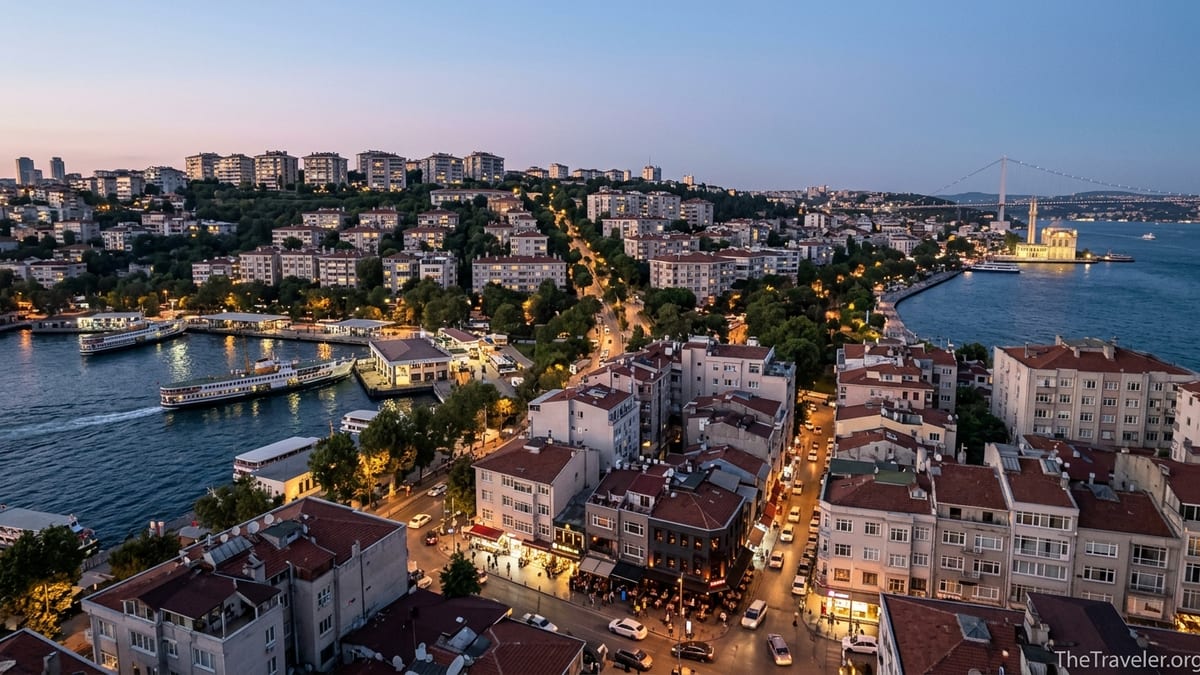
How Beşiktaş Fits Into Istanbul
For many visitors, Beşiktaş sits in the sweet spot between the Ottoman landmarks of Sultanahmet and the nightlife of Beyoğlu. The district hugs the European shore of the Bosphorus, just north of Kabataş and Karaköy, and is stitched together by dense local streets, major bus corridors and some of the busiest ferry piers in the city. Staying here puts you within a short ride of both the Old City and the Asian side, while keeping you based in a more everyday, less tour-group-heavy neighborhood.
The heart of the district is Beşiktaş Çarşı, a tangle of streets filled with meyhanes, fish restaurants, casual lokantas and student bars. From the main waterfront, frequent ferries run to Kadıköy and Üsküdar, and longer lines head to the Princes’ Islands and up the Bosphorus in season. A typical Istanbulcard ferry ride between Beşiktaş and Kadıköy is priced similarly to a metro journey, so many locals use these boats as daily transport rather than a special activity.
Behind the waterfront, the hills rise steeply toward Abbasağa and on toward Nişantaşı and Şişli. Each micro area has its own character: Dolmabahçe is about palaces and high-end hotels, Akaretler is cafe-lined and design-conscious, Abbasağa is residential and leafy, while Ortaköy mixes postcard views with tourist bustle and late-night energy. Nişantaşı, just over the ridge, is technically a different neighborhood but is close enough to consider if you care more about boutiques than Bosphorus spray.
When you choose a base in Beşiktaş, you are really choosing your daily rhythm. Do you want to stroll to ferries each morning, or would you rather wake up in a quieter side street and walk downhill to the waterfront when it suits you? Is rooftop nightlife an essential part of your stay, or would you prefer to be able to shut the windows and hear nothing but seagulls at night? The following sections break down each area with those trade-offs in mind.
Beşiktaş Center: Ferries, Food and Football Energy
Beşiktaş center, often called Beşiktaş Çarşı, is the obvious choice if you want ferries on your doorstep and a dense concentration of affordable places to eat and drink. Many small hotels and guesthouses are scattered within a five to ten minute walk of the main Beşiktaş pier, where Şehir Hatları and other operators run frequent ferries to Kadıköy, Üsküdar and Bosphorus piers. In practice, that means you can finish breakfast and be on the water within minutes, crossing to Kadıköy’s market streets or connecting to metro lines on the Asian side.
The trade-off is noise and crowding. Around match days at Vodafone Park, home of Beşiktaş JK, the streets fill with black and white shirts, drums and chants. Even on regular evenings, the bar cluster around Çarşı can stay loud until late, especially in warmer months when people spill onto the sidewalks. Budget and mid-range hotels here often advertise “soundproofed rooms,” but in reality you should expect some street noise if your windows face a busy lane. On the plus side, prices in simple three-star hotels and apart-hotels can be noticeably lower than on the waterfront in Ortaköy or Dolmabahçe, especially outside peak summer and major holiday periods.
For most visitors, the key advantage of Beşiktaş center is how easy it makes public transport. Long-distance buses fan out from the main square toward Taksim, Şişli, Levent and beyond, and it is simple to connect via ferry to tram lines at Kabataş or metro lines at Kadıköy and Üsküdar. If you are relying on public transport rather than taxis, this connectivity can shorten your daily travel times considerably. Expect a ride by ferry and tram to Sultanahmet to take around 30 to 40 minutes door to door, depending on connections.
Value-wise, Beşiktaş center suits travelers who prioritize access and atmosphere over views. You may not wake up to the Bosphorus, but you are paying for ferries under five minutes away, a choice of cheap breakfast spots rather than hotel buffets, and a nightlife scene that runs more on local energy than curated rooftop lounges.
Akaretler: Design Street Between Beşiktaş and Nişantaşı
Akaretler is the stylish strip that climbs from Beşiktaş up toward Maçka and Nişantaşı, anchored by the famous Akaretler row houses. The feel here is more polished than down in Çarşı: design boutiques, serious coffee shops, contemporary galleries and sleek hotel lobbies line the slope. If you want to stay in Beşiktaş without being immersed in late-night student bars, Akaretler offers a middle ground.
Hotel options in Akaretler skew toward the boutique and business-friendly. You will find contemporary mid-range chains alongside smaller design hotels and serviced apartments, many of them with minimalist interiors and good sound insulation. Room rates tend to sit above Beşiktaş Çarşı but below the luxury waterfront hotels of Dolmabahçe and Ortaköy. Midweek, it is often possible to find stylish double rooms here priced competitively with more anonymous city-center properties elsewhere in Istanbul, especially outside international conference dates and major events.
In terms of transport, Akaretler is a short downhill walk from Beşiktaş ferries, often ten minutes or less depending on where your hotel sits on the hill. You can reach Nişantaşı and Maçka Park on foot in the other direction, climbing via tree-lined streets or taking the occasional escalator and funicular shortcuts near Maçka. This makes Akaretler a smart choice if you want to combine Bosphorus access with easy strolls to higher-end shopping and cafes in Nişantaşı.
Nightlife in Akaretler is more controlled than in Çarşı. Expect chic wine bars, cocktail spots and restaurants with outdoor seating rather than loud, packed pubs. On weekend evenings it is certainly lively, but because many venues are oriented toward sit-down dining and bar culture, the noise tends to die down earlier than in the denser streets closer to the waterfront. For many visitors, that balance of life and relative quiet is exactly what justifies the slightly higher room rates.
Ortaköy: Bosphorus Views, Cafes and Late-Night Buzz
Ortaköy, a short ride north of Beşiktaş center, is the postcard version of the Bosphorus: Ortaköy Mosque framed against the water and the Bosphorus Bridge, waffle and kumpir stands, and waterfront cafes filled with a mix of locals and visitors. Hotels here leverage that image, and many advertise “bridge views” or “mosque views” from rooms or rooftop terraces. If waking to a direct Bosphorus panorama matters more than quick access to metro lines, Ortaköy is immediately attractive.
Accommodation in Ortaköy ranges from small guesthouses on backstreets to upscale boutique hotels and international brands right on the water. Prices reflect the setting. A modest room with partial sea view in a mid-range hotel can cost noticeably more than a city-view room in Beşiktaş center on the same dates, and luxury properties that occupy historic waterfront buildings charge accordingly. On the other hand, you are buying a sense of place that is hard to fake: evening walks along the promenade, the call to prayer echoing from Ortaköy Mosque over the waves, and night-time shots of the illuminated bridge without needing to get in a taxi.
Transport from Ortaköy is workable but slightly less fluid than from Beşiktaş pier. Buses and minibuses run frequently along the coast road to Beşiktaş and Kabataş, and there are seasonal and commuter ferries that stop at Ortaköy, but schedules can be thinner outside rush hours. Many travelers simply hop a short taxi to Beşiktaş pier for broader ferry choices or to Kabataş to connect with the tram and funicular. If you plan to criss-cross the city all day using public transport, factor those extra minutes and occasional taxi fares into your budget and itinerary.
Nightlife in Ortaköy leans toward waterfront lounges, music bars and restaurants that keep going into the early hours, especially in summer. This is part of the appeal for many visitors, but it also means that some seafront rooms pick up late-night bass and crowd noise. If you are sensitive to sound, it is worth prioritizing hotels with good reviews for quiet rooms facing interior courtyards or upper floors set back from the main music venues.
Dolmabahçe & The Waterfront: Palaces, Piers and Luxury Hotels
South of Beşiktaş center, the Dolmabahçe area runs along the water toward Kabataş, anchored by Dolmabahçe Palace with its monumental gates and waterfront facades. This strip is home to some of Istanbul’s most luxurious hotels, including former palace complexes converted into high-end properties, as well as modern five-star towers with large conference spaces. If your priority is resort-style comfort, spa facilities and direct sea access rather than being embedded in residential streets, this is where you will likely look first.
Staying near Dolmabahçe places you close to Kabataş pier and tram terminus, as well as to Beşiktaş ferries within a pleasant coastal walk. The promenade between Beşiktaş and Kabataş is lined with trees, benches and views across to Üsküdar and Kadıköy, making it one of the more scenic short walks in central Istanbul. From Kabataş you can connect directly by tram to Karaköy, Eminönü and Sultanahmet, or ride the funicular up to Taksim, which is useful if you want quick access to İstiklal Caddesi but prefer to sleep away from its late-night chaos.
The catch is cost. Waterfront luxury hotels near Dolmabahçe typically command some of the highest room rates in the city, especially during spring, early summer and around major events. Even entry-level rooms, often without full Bosphorus views, can cost several times a mid-range room in Beşiktaş Çarşı. For travelers used to resort pricing, this may feel familiar, but for city-break visitors watching their budget it can be hard to justify unless you plan to spend significant time enjoying hotel facilities like pools, spas and waterside restaurants.
Noise is not a major issue in the same way it is around Beşiktaş Çarşı, but traffic along the coastal road can be constant and you may hear occasional horns and engines if your room faces the street. Many of the top-end hotels counter this with excellent soundproofing and double-glazed windows. If you are sensitive to traffic noise, ask about room orientation during booking and consider paying a little more for Bosphorus-facing rooms set back from the road.
Abbasağa & The Hills: Green, Residential and Better Value
Just behind Beşiktaş center, the streets climb toward Abbasağa, a neighborhood centered around Abbasağa Park. Compared with the waterfront, this area feels more local and residential: kids playing in the park, small family groceries and tea gardens, and mid-rise apartment buildings that house a mix of long-term residents and students. For travelers, Abbasağa offers a calmer base within walking distance of Beşiktaş, with more competitive room rates and less of a nightlife hangover.
Accommodation here tends to come in the form of simple guesthouses, rental apartments and a handful of modest hotels on sloped side streets. Because you are a ten to fifteen minute walk uphill from Beşiktaş ferries, there is usually a price advantage over properties closer to the water. For example, a compact apartment with a balcony in Abbasağa may cost the same as a smaller, window-to-wall room in Beşiktaş Çarşı on busy weekends. You give up instant ferry access in exchange for more space and a neighborhood that empties out earlier at night.
The main practical factor to consider is the hill itself. Walking back from the waterfront to Abbasağa involves a noticeable climb, which can be tiring after long days of sightseeing. Taxis for such a short distance are inexpensive by international standards, but traffic can be heavy at peak times. If you enjoy walking and do not mind inclines, Abbasağa can be rewarding, giving you leafy views over the rooftops and an easy stroll down to Beşiktaş each morning.
For noise-sensitive travelers, Abbasağa is one of the better options in the Beşiktaş area. While you may still hear occasional calls from nearby cafes or live music on weekend evenings, most streets are quieter after midnight than those closer to Çarşı or Ortaköy’s seafront. It is a good compromise for couples or solo travelers who want to enjoy Beşiktaş’s energy during the day and evening, then retreat to a more relaxed base at night.
Nişantaşı: Stylish Neighbor Above the Hill
Nişantaşı is not technically part of Beşiktaş’s waterfront stretch, but it sits just over the hill and functions as an attractive alternative base for travelers who want a polished urban neighborhood without needing direct Bosphorus views. Known for its fashion boutiques, upscale cafes and apartment blocks with ornate facades, Nişantaşı feels more like a European shopping district than a port area. From many parts of Beşiktaş, you can reach Nişantaşı in about twenty minutes on foot or a short taxi ride.
Hotels in Nişantaşı range from global five-star brands aimed at business travelers and shoppers, to chic boutique hotels occupying renovated residential buildings. Room rates generally reflect the area’s affluent profile. You may find that a mid-range hotel here costs similar to or slightly more than a comparable property in Akaretler, and less than palace-side luxury hotels in Dolmabahçe. The value lies not in views but in being able to step out into streets lined with bakeries, wine shops and designer outlets, with comparatively little tourist traffic.
In terms of transport, Nişantaşı is served by metro stations in nearby Şişli and Osmanbey, giving you direct access to lines that run toward Taksim, Levent and beyond. To reach the Bosphorus or ferry piers, you will usually take a short taxi or bus down the hill to Beşiktaş, Kabataş or Karaköy. This means that daily ferry use requires a little extra effort compared with staying directly in Beşiktaş, but many travelers accept that in exchange for the quieter evenings and more refined streetscape.
Nightlife in Nişantaşı is more about wine bars, quiet cocktail lounges and hotel rooftops than rowdy pubs. It suits visitors who prefer lingering over a glass of Turkish wine or a coffee rather than bar-hopping until the early hours. If your idea of a perfect Istanbul night is dinner in a bistro followed by a gentle stroll through well-lit streets, Nişantaşı deserves serious consideration, especially if you are combining your stay with shopping or business meetings in Şişli.
Comparing Areas: Noise, Views, Transport and Value
When choosing between Beşiktaş center, Akaretler, Ortaköy, Dolmabahçe, Abbasağa and Nişantaşı, it helps to think in terms of four factors: noise, views, transport and value. Beşiktaş center ranks high for transport thanks to its busy ferry pier and bus hub, and offers some of the best value on mid-range rooms, but it is also the noisiest option at night, especially near popular bar streets and on football match days.
Akaretler and Nişantaşı sit in the middle of the spectrum for both noise and transport. From Akaretler, you can walk to ferries in around ten minutes and to Nişantaşı in roughly the same time uphill, while enjoying a calmer environment than Çarşı. Nişantaşı requires more transport changes to reach the water, but rewards you with quieter, more polished streets and reliable metro access. Both areas tend to offer stronger hotel design and service levels at a similar or slightly higher price point than Beşiktaş center.
Ortaköy and the Dolmabahçe waterfront win clearly on views. Waterfront rooms offer direct Bosphorus panoramas that are hard to match elsewhere, especially at sunrise and after dark when bridges and mosques are illuminated. The cost of those views is higher nightly rates and, in Ortaköy’s case, some vulnerability to late-night bar and restaurant noise. Dolmabahçe’s main acoustic issue is coastal-road traffic rather than nightlife, which many high-end hotels mitigate with soundproofing.
Abbasağa and the hillside neighborhoods behind Beşiktaş deliver some of the best value for travelers willing to walk. You are close enough to drop down to ferries and buses within ten to fifteen minutes, but far enough from the most crowded streets for quieter nights and often lower room rates. For a balanced first stay that emphasizes local life, transport access and manageable noise levels, a small hotel or apartment in Abbasağa or Akaretler often makes more sense than either extreme: not as hectic as Çarşı, not as expensive as palace-side luxury.
The Takeaway
Beşiktaş is more than a single neighborhood; it is a patchwork of micro areas that each shape your Istanbul experience differently. Staying right in Beşiktaş center puts you in the thick of ferry traffic, local markets and football-fueled nightlife, which is ideal if you want to feel the city’s pulse and move easily across the Bosphorus. Akaretler offers a design-conscious, walkable compromise between the waterfront and the chic streets of Nişantaşı, while Ortaköy and Dolmabahçe trade higher prices for premium Bosphorus views and resort-style comforts.
If you value sleep and residential calm, Abbasağa and the hillside streets behind Beşiktaş likely suit you better, delivering quieter nights and friendlier room rates within a short walk of ferries and buses. Nişantaşı, meanwhile, steps slightly outside the Beşiktaş orbit to give you a stylish base with strong metro links and a more polished urban feel, suited to shoppers and visitors who prioritize cafes and boutiques over waterside promenades.
Ultimately, there is no single “best” place to stay in Beşiktaş. The right choice depends on how you want your mornings to start and your nights to end: with immediate access to boats and bars, with hushed boutique-hotel comfort, with bridge views from your balcony, or with a quiet walk home through local backstreets. By weighing noise, views, transport and value for each of these micro areas, you can choose a base that matches your own version of Istanbul rather than settling for whatever happens to be available.
FAQ
Q1. Is Beşiktaş a good area to stay in for first-time visitors to Istanbul?
Yes, Beşiktaş is a strong choice for first-time visitors who want a lively local base with easy ferry and bus connections. You will not be walking distance from most Old City monuments, but you can usually reach Sultanahmet in around 30 to 40 minutes via ferry and tram, while enjoying a more lived-in neighborhood atmosphere than in heavily touristed quarters.
Q2. Which part of Beşiktaş is best if I need quick ferry access?
Staying in or just above Beşiktaş center near the main pier gives you the fastest ferry access. From most hotels in Çarşı or lower Akaretler, it is a five to ten minute walk to boats heading to Kadıköy, Üsküdar and other Bosphorus piers, which is ideal if you plan to rely on ferries as a primary mode of transport.
Q3. Where should I stay in Beşiktaş if I am sensitive to nightlife noise?
If you are noise-sensitive, look at Abbasağa and the hillside streets behind Beşiktaş, or at the quieter parts of Akaretler and Nişantaşı. These areas sit far enough from the loudest bar clusters and stadium crowds to offer calmer nights, while still keeping you within a short walk or quick ride to the waterfront.
Q4. Which area offers the best Bosphorus views?
For unobstructed Bosphorus views, Ortaköy and the Dolmabahçe waterfront are the top picks. Many hotels in these areas have rooms and terraces facing the water and the bridges, which is something you are less likely to get from properties set further inland in Beşiktaş center, Abbasağa or Nişantaşı.
Q5. How does Nişantaşı compare to staying directly in Beşiktaş?
Nişantaşı is quieter, more polished and more focused on shopping and cafe culture, with strong metro access but no direct ferry piers. Staying there means taking a short taxi or bus down to Beşiktaş or Kabataş when you want to use the ferries, in exchange for calmer evenings and streets lined with boutiques rather than bars.
Q6. Is Beşiktaş convenient for reaching the Asian side of Istanbul?
Yes, Beşiktaş is one of the best bases for reaching the Asian side. Regular ferries connect Beşiktaş pier with Kadıköy and Üsküdar, and ride times are typically in the range of 20 minutes. If you stay near the pier or in lower Akaretler, you can easily cross the Bosphorus multiple times a day without long detours.
Q7. Are hotel prices in Beşiktaş lower than in Sultanahmet or Taksim?
Hotel prices in Beşiktaş vary by micro area, but mid-range properties in Beşiktaş center and Abbasağa are often competitive with or slightly below similar options in Sultanahmet and Taksim. Luxury waterfront hotels in Dolmabahçe and Ortaköy tend to be at the higher end of city pricing, while stylish options in Akaretler and Nişantaşı usually fall somewhere in between.
Q8. Is Beşiktaş safe at night for walking back to my hotel?
Beşiktaş is generally considered one of Istanbul’s safer, more liberal districts, and its main streets remain busy well into the evening. As in any big city, you should take normal precautions, stick to well-lit routes and avoid very quiet back alleys late at night, but most travelers feel comfortable walking between bars, restaurants and hotels in the central areas.
Q9. How long does it take to get from Beşiktaş to the airport?
Travel times to Istanbul’s main airport vary with traffic, but you should typically allow at least 45 to 75 minutes by taxi or airport bus. From areas closer to the waterfront, it is straightforward to connect to airport buses or ride-hailing pick-ups, while from hillside neighborhoods like Abbasağa or Nişantaşı you may need a short taxi ride first to reach the main departure points.
Q10. Should I choose Ortaköy or Beşiktaş center if I care about nightlife?
If your idea of nightlife involves waterfront lounges and bars with bridge views, Ortaköy will likely suit you better. If you prefer dense, walkable streets packed with casual pubs, meyhanes and student bars, Beşiktaş center is the better choice. Both areas are busy in the evenings, so consider which style of night out appeals to you and how sensitive you are to late-night noise near your hotel.