


Choosing the best Canary Island can feel surprisingly complicated. Tenerife, Gran Canaria, Lanzarote and Fuerteventura dominate the brochures, but the quieter western islands of La Palma, La Gomera, El Hierro and tiny La Graciosa often win hearts once travelers arrive. This practical guide compares all eight islands by beaches, nightlife, hiking, family trips, couples’ escapes and quiet getaways, with real examples of places you can actually visit so you can match the right island to your travel style and budget.
Get the latest updates straight to your inbox!
Understanding the Canary Islands at a Glance
The Canary Islands sit off the northwest coast of Africa, but they are part of Spain and use the euro. Flight time from mainland Europe is usually between three and five hours, and many low-cost airlines fly direct to Tenerife, Gran Canaria, Lanzarote and Fuerteventura. The smaller islands are reached by shorter domestic flights or ferries, most commonly via Tenerife or Gran Canaria.
Weather is one of the archipelago’s biggest selling points. Winter daytime highs often hover around the low 20s Celsius, while summers are warm but moderated by Atlantic breezes. That means you might be swimming at Playa de las Canteras in Las Palmas in January while much of Europe is in coats, or hiking above a sea of clouds near Teide in Tenerife in April without snow underfoot.
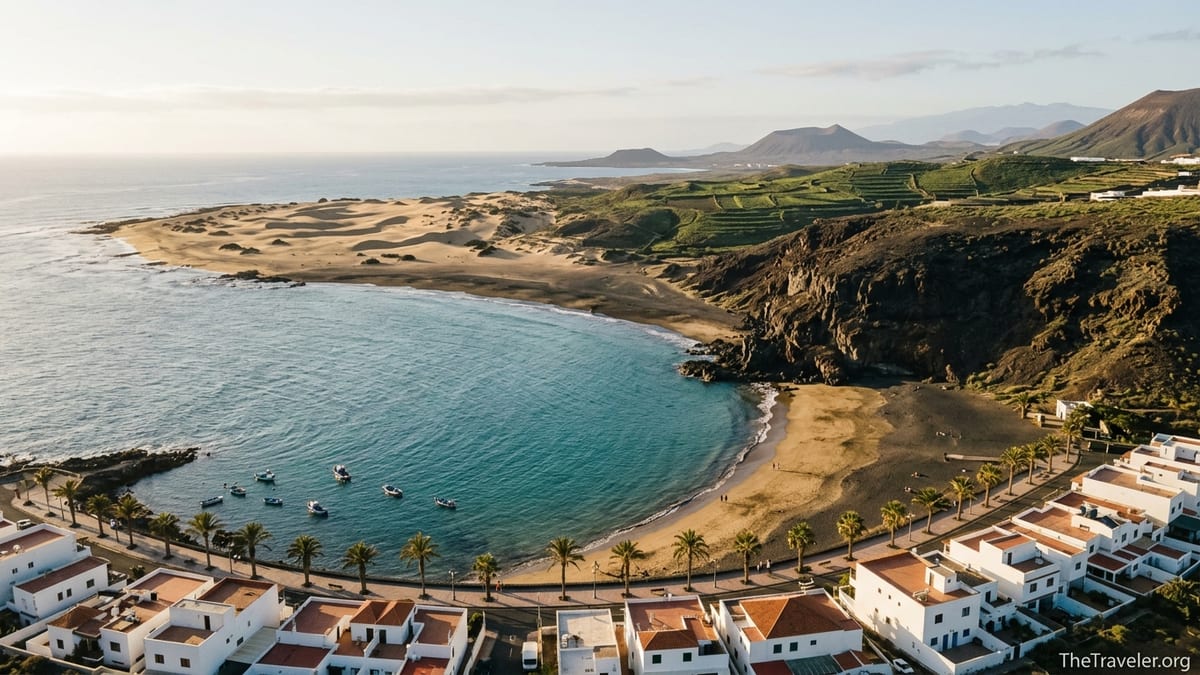
The islands have distinct personalities. Tenerife and Gran Canaria feel the most complete, offering everything from nightlife strips and family resorts to serious hiking and food scenes. Lanzarote and Fuerteventura are sunnier, windier and more beach focused. La Palma, La Gomera and El Hierro are greener, sleepier and draw hikers and nature lovers more than partygoers. La Graciosa is a tiny, almost car-free island of sand tracks and empty coves, reached by a 30 minute ferry from the north of Lanzarote.
Costs vary less than many visitors expect. You can still find simple apartments from around the price of a mid-range hotel room in a European city, and supermarket prices are broadly similar to mainland Spain. The biggest cost differences tend to be in car rental, which is often cheaper on big islands like Tenerife, and in activities. For example, a whale watching trip from Los Cristianos in Tenerife typically costs more than a local guided hike in La Gomera’s Garajonay National Park, simply because boat fuel and logistics are higher.
Best Canary Island for Beaches and Swimming
For long stretches of golden sand where you can walk for an hour without turning back, Fuerteventura is hard to beat. The Grandes Playas near Corralejo in the north form around three and a half kilometers of pale sand backed by dunes inside Corralejo Dunes Natural Park, with gentle shelves into the sea that suit confident children as well as adults. On the Jandía peninsula in the south, beaches like Playa de Sotavento and Playa de Cofete feel wild and remote, with surf schools and kitesurfers dotting certain sections in season.
Lanzarote also delivers strong beach options, especially for visitors who like scenery with their sunbathing. The Papagayo coves at the southern tip of the island are small horseshoe bays of clear water and honey-colored sand, reached by a bumpy dirt track or a coastal walk from the resort of Playa Blanca. Families often favor the more sheltered town beaches such as Playa Flamingo or Playa Grande in Puerto del Carmen, where you have lifeguards in season, promenade access and plenty of cafes for ice creams and snacks.
Tenerife and Gran Canaria offer more variety than pure beach perfection. Tenerife’s Costa Adeje has small but often sheltered coves such as Playa del Duque, fronted by upscale hotels and beach clubs, while the natural volcanic sand of Playa Jardín in Puerto de la Cruz frames the town with black, wavey Atlantic views. Gran Canaria’s south hosts the classic resort beaches of Playa del Inglés and Maspalomas, backed by dunes and lined with loungers and beach bars. In contrast, Las Canteras beach in the capital Las Palmas acts as a natural urban lagoon at low tide, protected by an offshore reef, and is loved by locals for morning swims and evening strolls.
If your priority is quiet coves, La Graciosa is likely your best match. There are no formal roads, only sand tracks, and you reach beaches such as Playa de las Conchas or Playa Francesa by walking or hiring a bicycle near the ferry dock. Facilities are minimal, often limited to what you bring with you, so it suits independent travelers happy to carry water, snacks and shade rather than those looking for serviced resort beaches.
Best Canary Island for Nightlife and Food
For nightlife that can run until dawn in high season, Tenerife and Gran Canaria are the clear leaders. Playa de las Américas and Los Cristianos in Tenerife’s southwest are known for their dense clusters of bars, clubs and live music venues. On a winter Saturday, it is common to find British and Irish pubs showing football in the afternoon that morph into karaoke spots by night, alongside dance clubs that fill after midnight. Local nightlife also hums in Santa Cruz, particularly around the February carnival period, when parades and street parties can last for hours.
Gran Canaria’s Playa del Inglés and the Yumbo area are famous for LGBTQ+ friendly nightlife, drag shows and late-opening bars. Meanwhile, the capital Las Palmas offers a different scene, with tapas bars around the old town of Vegueta and trendy cocktail spots near the marina. Each year, the island hosts a major carnival that draws performers from across Spain, so if you visit in February you might find yourself in the middle of a parade without planning to.
If your idea of a night out leans more towards good food and a bottle of wine than packed dance floors, Lanzarote and La Palma are increasingly appealing. On Lanzarote, the marina area of Puerto Calero and parts of Arrecife have modern bistros and seafood restaurants where you can order local dishes like grilled vieja fish or papas arrugadas with mojo sauce. La Palma’s main town Santa Cruz de La Palma has a compact historic center where you can spend an evening moving between wine bars and small restaurants, many serving local wines grown on the volcanic soils of the island’s slopes.
On the quieter islands of La Gomera and El Hierro, evenings tend to end earlier. You might have a late dinner in Valle Gran Rey or San Sebastián de La Gomera and then stroll back to your apartment under dark skies rather than heading to a club. This suits travelers who want rest rather than raves, such as hikers planning early starts or couples looking for calm, starlit nights with the sound of waves rather than music.
Best Canary Island for Hiking and Nature
If hiking and wild landscapes are your priority, the western islands of Tenerife, La Palma, La Gomera and El Hierro stand out. Tenerife’s Mount Teide National Park is the highest point in Spain and offers accessible volcanic landscapes. Many visitors ride the cable car to just below the summit, then walk short trails across lunar-like terrain, while more serious hikers apply in advance for permits to reach the true peak or tackle long ridge routes such as those from Vilaflor or the Masca gorge when open.
La Palma markets itself as “La Isla Bonita,” and for good reason. The island’s high point at Roque de los Muchachos sits over 2,400 meters above sea level and offers wide views into the Caldera de Taburiente National Park, where deep, forested ravines cut into a massive volcanic crater. Well-marked trails connect mountain refuges such as Refugio El Pilar with open ridge walks where you may find yourself above a sea of clouds while the coast remains in sunshine far below. The same high altitude, clear skies and minimal light pollution support one of the world’s major astronomical observatories near the summit, which some visitors combine with hikes and guided stargazing.
La Gomera is a paradise for shorter, greener walks. Much of the island is draped in laurel cloud forest, particularly inside Garajonay National Park, which is recognized for protecting one of the best surviving tracts of this ancient forest type. Well-signed routes run from visitor centers such as Juego de Bolas into mossy, tree-lined paths where mist often hangs in the air, making even a two hour loop feel otherworldly. Multi-day hikers use island-wide paths like the GR 131 to cross from ridge to ridge, often staying in simple guesthouses in villages such as Vallehermoso or Hermigua.
El Hierro is even quieter. The island has dramatic cliffs and viewpoints where you can watch trade wind clouds spill over ridges, along with marked trails past old terraced fields and lava formations. Because tourist numbers are low, you are likely to walk for hours with only the sound of wind and goat bells for company. Divers are also drawn to the island for underwater volcanic landscapes and marine life around the marine reserve of La Restinga.
Best Canary Island for Families
For families with school-age children who want a mix of beaches, safe swimming, activities and easy logistics, Tenerife and Gran Canaria again top the list. Tenerife’s Costa Adeje area is packed with family hotels and self-catering apartments, many with kids’ clubs and pool complexes. Nearby, the large water parks in the south offer full-day outings, with slides ranging from toddler splash areas to high adrenaline chutes. Many excursions, such as whale and dolphin watching from Los Cristianos or catamaran trips along the cliffs of Los Gigantes, are marketed specifically to families and include hotel pickups.
Gran Canaria combines resort ease in the south with urban experiences in the north. In Maspalomas, you can move between beach time, dune walks and boat trips, while Las Palmas gives older children a chance to explore a real Spanish city, visit interactive museums and learn beginner surfing at Las Canteras beach under the guidance of local schools. Public buses connect the south to Las Palmas in about an hour, so a family staying in Playa del Inglés can still make a day trip to the capital without renting a car if they prefer.
Fuerteventura appeals strongly to beach-loving families, particularly around Corralejo and Caleta de Fuste. Many hotels in Corralejo are a short walk from child-friendly sections of the town beach or the start of the dunes, and boat trips to the small islet of Lobos provide easy adventures, including simple snorkeling in protected coves. Caleta de Fuste’s horseshoe bay is sheltered and shallow, which reassures parents of younger children, though it lacks the wild beauty of the more exposed western coast.
If your children enjoy nature and hiking, La Palma and La Gomera are worth considering. Both islands have shorter waymarked trails suitable for active families, and visitor centers in their national parks with educational displays about volcanoes, forests and local wildlife. The trade-off is fewer water parks, limited nightlife and a need for a rental car on most trips, as public transport is less frequent than on the larger islands.
Best Canary Island for Couples and Quiet Trips
For couples seeking memorable scenery with good accommodation and dining but without relentless nightlife, Lanzarote, La Palma and La Gomera are standouts. Lanzarote’s architectural style is strongly shaped by the legacy of local artist César Manrique, who advocated for low-rise whitewashed buildings and sensitive development. Couples often base themselves in small hotels or villas near villages like Teguise or around the wine region of La Geria, where vineyards run between black volcanic ridges, and then take day trips to Timanfaya National Park or the quiet north coast.
La Palma feels made for low-key romantic trips. The combination of sea views, steep green hillsides and dark night skies suits travelers who would rather share a bottle of local wine on a terrace than bar hop. Many rural casas rurales are former farmhouses converted into simple but comfortable cottages with private terraces, where you can cook with ingredients from local markets and then drive to viewpoints at sunset. On clear nights, it is common to see the Milky Way with the naked eye from rural areas, so couples often plan at least one late evening outside away from artificial lights.
La Gomera’s appeal for couples lies in its valleys and walking paths. Valle Gran Rey in particular attracts a blend of hikers, yoga retreat visitors and long-stay travelers who value the relaxed pace. You might spend a morning on Playa del Inglés, a black-sand beach at the valley’s mouth, then have a late lunch at a small seafront restaurant and finish with a gentle sunset walk on the promenade. Evenings here are more about guitars on balconies and quiet conversations than dance floors.
El Hierro and La Graciosa suit travelers who want genuine stillness. On El Hierro, accommodation is often in small guesthouses or self-catering cottages in villages with limited evening options beyond one or two local bars. La Graciosa has a handful of restaurants around the sandy streets of its main settlement, and nights are mostly about simple seafood dinners and listening to the ocean. These islands reward visitors who travel slowly, bring a book and accept that some days will involve doing very little.
How to Decide: Matching Islands to Your Travel Style
When choosing between the eight islands, it helps to be honest about what you and your travel companions will actually do, not just what sounds inspiring. If you know you want reliable sunshine, easy flights, resort facilities and do not mind sharing the beach, Tenerife, Gran Canaria, Lanzarote and Fuerteventura are the most straightforward choices. Among these, Tenerife and Gran Canaria are the most versatile, while Lanzarote and Fuerteventura lean toward beach and nature with calmer nightlife.
If your ideal holiday involves lacing up hiking boots most days and perhaps leaving your phone in airplane mode, La Palma, La Gomera and El Hierro are likely better fits. These islands have fewer big resorts and more small guesthouses, hiking routes and local bars where menus are often only in Spanish. Travelers used to coastal boardwalks and all inclusive bracelets may find them too quiet, but hikers, photographers and birdwatchers tend to leave glowing reviews.
Think about your tolerance for driving and ferries. For example, a family with small children arriving on a late flight to Gran Canaria might prefer to stay in the south and use public transport or short transfers rather than catching a late ferry to La Gomera after landing in Tenerife. Conversely, a couple with two weeks to spare might combine Tenerife with a side trip to La Gomera, spending a week in a resort in Costa Adeje followed by a few quiet days walking in Garajonay National Park.
Lastly, consider seasonality. In July and August, the main resort areas can feel busy, and prices for beachfront hotels rise accordingly. Travelers who can visit in spring or autumn often enjoy lower rates, more comfortable temperatures for hiking and fewer crowds, especially on islands like Lanzarote and Fuerteventura that remain warm and dry into November. Winter months are perfect for those escaping colder climates, but sea temperatures can feel fresh, so heated pools and southern exposures matter more if swimming is a priority.
The Takeaway
There is no single “best” Canary Island. Instead, each island has a distinct mood. Tenerife and Gran Canaria deliver the broadest mix of beaches, nightlife, hiking and family facilities. Lanzarote and Fuerteventura favor big skies, wind, beaches and water sports. La Palma, La Gomera and El Hierro reward walkers and nature lovers who prefer quiet nights and starry skies, while La Graciosa remains a sandy, low-key retreat that feels far from resort crowds.
For many travelers, the best strategy is to start with a larger island that suits their basics, such as Tenerife for families or Lanzarote for couples, and then add a few nights on a smaller neighbor once they understand the rhythm of the archipelago. With regular ferries and short flights between the islands, it is relatively easy to combine two destinations in one trip, such as Gran Canaria with Fuerteventura or Lanzarote with La Graciosa.
Whichever island you choose, the key is alignment. Match your expectations to what the island does best, whether that is waves and surf schools in Corralejo, tapas and carnival nights in Las Palmas, misty forest hikes in Garajonay or quiet sunsets on a La Palma terrace. Do that, and the Canary Islands are very likely to deliver the winter sun, dramatic landscapes and relaxed pace that have kept visitors returning for decades.
FAQ
Q1. Which Canary Island is best for a first-time visitor?
For most first-time visitors, Tenerife or Gran Canaria work best. They offer the easiest flight connections, a wide range of accommodation, beaches, day trips and both lively and quieter areas, so it is hard to feel you chose completely wrong.
Q2. Which Canary Island has the best all-round beaches?
Fuerteventura is often considered the top choice for beach lovers, thanks to long sandy stretches like the Corralejo dunes and the Jandía peninsula, although Lanzarote’s Papagayo coves and Gran Canaria’s Maspalomas dunes are also strong contenders.
Q3. Where should I go in the Canaries for serious hiking?
La Palma, La Gomera and Tenerife are ideal for serious hikers. La Palma offers high ridge walks and deep volcanic calderas, La Gomera has laurel cloud forests and well-marked paths, and Tenerife combines coastal walks with Teide National Park routes.
Q4. Which island is best if I want nightlife and parties?
Tenerife and Gran Canaria lead for nightlife. Playa de las Américas and Los Cristianos in Tenerife and Playa del Inglés and the Yumbo area in Gran Canaria have dense clusters of bars, clubs and late-night venues, especially busy in winter and summer seasons.
Q5. What is the most family-friendly Canary Island?
Tenerife is arguably the most family-friendly overall, with many resort hotels, water parks, safe beaches and organized excursions. Gran Canaria and Fuerteventura also work very well for families, particularly in the main southern and eastern resort areas.
Q6. Which Canary Island is the quietest?
El Hierro and La Graciosa are the quietest islands. They have few large hotels, limited nightlife and a slow pace of life, making them ideal for travelers seeking real stillness rather than resort entertainment.
Q7. Where can I find the best stargazing in the Canary Islands?
La Palma is famous for stargazing, particularly around the high point of Roque de los Muchachos and rural inland areas with little light pollution, while Tenerife also offers excellent astronomy-focused excursions in and around Teide National Park.
Q8. Do I need a car on the Canary Islands?
On larger islands like Tenerife, Gran Canaria, Lanzarote and Fuerteventura, you can combine public transport and excursions without a car in main resort zones. On La Palma, La Gomera, El Hierro and La Graciosa, a car or bicycle, where available, gives you far more flexibility.
Q9. Which island is best for a couples’ trip?
Lanzarote, La Palma and La Gomera are excellent for couples. Lanzarote offers design-conscious hotels and dramatic volcanic landscapes, La Palma adds dark skies and rural cottages, and La Gomera brings lush valleys and relaxed coastal villages.
Q10. Can I visit more than one Canary Island in a single trip?
Yes, combining islands is common. Examples include Tenerife with La Gomera, Gran Canaria with Fuerteventura, or Lanzarote with La Graciosa, usually linked by short domestic flights or ferry rides that can easily fit into a one or two week itinerary.