


Hidden in the sculpted sandstone canyons of Cedar Mesa in southeastern Utah, Junction Ruin sits at the meeting point of Kane Gulch and Grand Gulch, deep within Bears Ears National Monument. For hikers, it offers one of the most accessible introductions to Ancestral Puebloan cliff dwellings in the region, combining a well-defined trail, striking desert scenery, and a powerful sense of human history. This guide explains how to hike to Junction Ruin, what to expect on the trail, how to visit respectfully, and where guided experiences can deepen your understanding of this remarkable place.
Get the latest updates straight to your inbox!
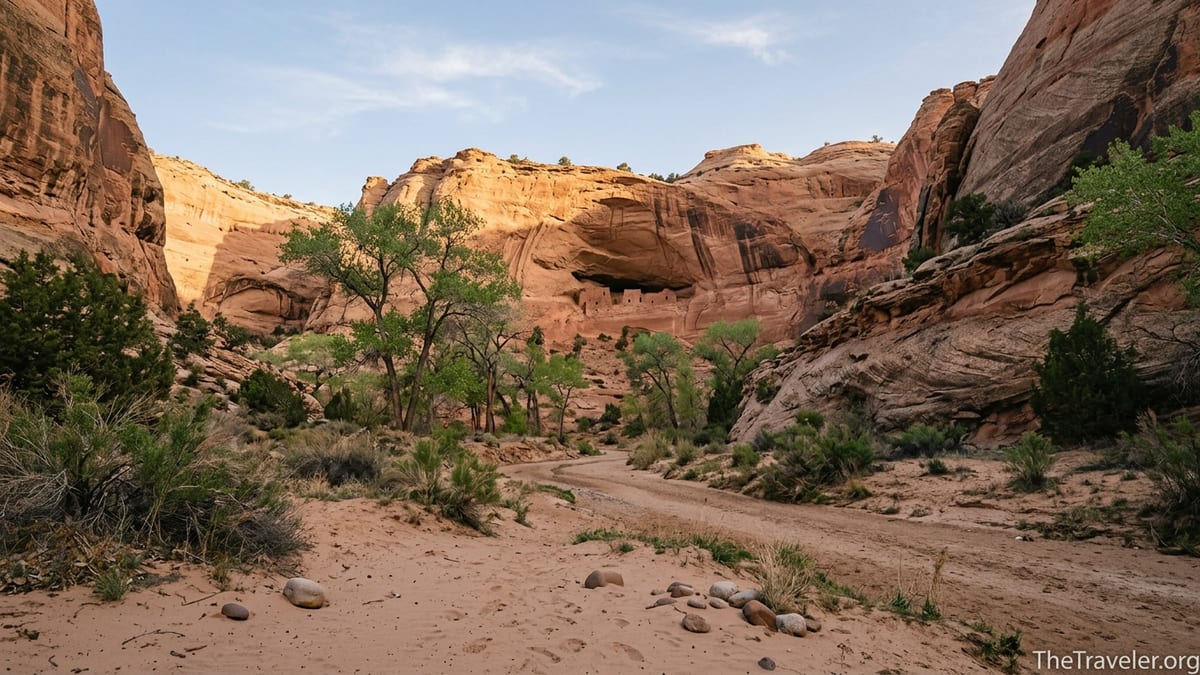
Understanding Junction Ruin and the Grand Gulch Setting
Junction Ruin is an Ancestral Puebloan cliff dwelling located at the confluence of Kane Gulch and Grand Gulch on Cedar Mesa, within Bears Ears National Monument in southeastern Utah. The site is set high in a sweeping sandstone alcove above the canyon floor, with additional structures and midden deposits on lower ledges and at ground level. Hikers reach it by following the Kane Gulch Trail, one of the best-known access routes into Grand Gulch and a popular day hike launch point for visitors interested in both archaeology and classic red rock scenery.
The broader Grand Gulch system is often described by archaeologists and land managers as an open-air museum, with hundreds of cliff dwellings, granaries, rock art panels, and artifact scatters distributed along miles of sinuous canyons. Much of this landscape lies within Bears Ears National Monument, which was created to recognize its cultural, ecological, and spiritual significance to many Tribal nations. For travelers, that means Junction Ruin is not an isolated tourist attraction but part of a living cultural landscape that still holds deep meaning for Indigenous communities today.
Because of that significance, land managers emphasize a low-impact style of visitation. Access is intentionally limited through permit systems and seasonal ranger presence at Kane Gulch Ranger Station. Hikers are encouraged to treat Junction Ruin as they would a small, fragile museum with no staff on site. You are effectively your own curator, security guard, and janitor, with a responsibility to leave everything exactly as you found it.
In practical terms, Junction Ruin makes a natural focal point for a first trip into Grand Gulch. The approach from the trailhead is relatively short by desert-canyon standards, typically around 7 to 8 miles round trip depending on side explorations, with moderate elevation change and a well-established route. That makes it achievable as a day hike for reasonably fit visitors while still offering a sense of wilderness, solitude, and immersion in canyon country.
Trail Access, Permits, and Best Seasons
Most visitors start their Junction Ruin hike from Kane Gulch Ranger Station, a Bureau of Land Management facility located along Utah Highway 261 on the eastern edge of Cedar Mesa. The ranger station is a key stop even if you already hold permits, because it often provides current information on water availability in the canyon, recent flash flood activity, and any temporary closures or route advisories. The paved highway and signed entrance make the trailhead one of the most accessible backcountry gateways in the Bears Ears region, and standard passenger cars can usually reach it in dry conditions.
A permit is required to hike or backpack in the Kane Gulch and Grand Gulch system. For day use, fees are typically modest per person, while overnight permits cost more and may include quotas on the number of people entering on a given day. Prices and booking procedures can change, so travelers should check current details through official federal recreation and land management channels well before their trip and be prepared to adjust plans if quotas are full on peak spring and fall weekends.
Spring and autumn are widely considered the best seasons for hiking to Junction Ruin. In March, April, May, late September, October, and early November, daytime temperatures usually range from cool to warm rather than scorching, and water may persist in canyon pools from snowmelt or seasonal storms. Summer brings intense heat that can push temperatures into dangerous territory in the exposed upper canyon, while winter can deliver snow and ice on the mesa tops and shaded sections of trail. Monsoon thunderstorms, most common from late July into September, raise the risk of flash floods in Grand Gulch; hikers during this period must watch weather forecasts carefully and treat darkening skies with caution.
Because Kane Gulch Ranger Station typically operates seasonally, with reduced or no in-person services in midwinter, travelers visiting in the coldest months should not assume staff will be present or that water or interpretive displays will be accessible. Even in peak season, it is wise to fill vehicle fuel tanks in nearby towns such as Blanding or Bluff, carry extra drinking water to supplement what you may or may not find in the canyon, and travel with paper maps or offline navigation apps that show key trail junctions and exits.
The Classic Kane Gulch Day Hike to Junction Ruin
The most common route to Junction Ruin follows the Kane Gulch Trail from the ranger station down into the canyon and out to its confluence with Grand Gulch. The path begins near the parking area, crosses a wash, and quickly transitions from pinyon-juniper woodland into the shallow upper reaches of Kane Gulch. Over roughly 4 miles one way, the trail descends gradually through a sequence of benches, small pour-offs, and sandy stretches, with intermittent sections of bedrock and slickrock. Many hikers describe the route as easy to moderate; there are no technical obstacles, but the distance, exposure to sun, and sandy footing can make it more strenuous than it looks on a map.
On a typical spring day, a prepared hiker might leave the trailhead mid-morning, carrying at least two liters of water, snacks, a hat, and layers for shifting temperatures. After an hour or so, the canyon walls begin to rise, revealing varnished sandstone stained black with desert patina. Cottonwoods and willows appear where intermittent water collects, and the trail frequently crosses from one side of the wash to the other. Cairns and use paths guide you past occasional boulder obstacles and down small ledges, but route-finding remains straightforward in clear conditions.
As you near the bottom of Kane Gulch, the canyon widens and the junction with Grand Gulch comes into view. Junction Ruin sits on the canyon wall, tucked under a tall overhang above the confluence. Several structures are visible from the canyon floor, ranging from intact walls and doorways to tumbled masonry that blends into the talus. With binoculars, you can pick out shaped stones, plaster traces, and storage alcoves perched high on narrow ledges that are not safely accessible. Lower ruins and middens, including scattered pottery fragments and corncobs, may be present near the base of the slope and deserve careful, respectful observation from a distance.
Most hikers spend at least an hour at the site, resting in the shade of cottonwoods, eating lunch near the confluence, and exploring viewpoints that offer different perspectives on the ruin. A popular option is to follow the canyon downstream a short distance to scout for petroglyphs and pictographs on nearby walls. Others choose to continue about half a mile farther down Grand Gulch to Turkey Pen Ruin, another significant site that adds cultural context to the Junction Ruin experience. Plan for 6 to 8 hours total for a Junction Ruin day hike, allowing ample time for the hike out, which climbs gradually back to the trailhead under afternoon sun.
Beyond Junction Ruin: Extended Routes and Backpacking Options
While Junction Ruin works well as a standalone day hike, it also serves as a gateway to longer routes in Grand Gulch and the surrounding Cedar Mesa backcountry. Strong hikers often add Turkey Pen Ruin and viewpoints of Stimper Arch as an extension, transforming the outing into a roughly 10-mile round trip. The extra distance involves more sand and some route-finding along the canyon floor, but it rewards with additional ruins set in dramatic alcoves and a natural stone arch rising above the canyon.
For those looking for a deeper immersion, overnight backpacking trips incorporate Junction Ruin as either a first-day objective or a scenic waypoint. One classic itinerary begins at Kane Gulch, visits Junction Ruin, and then continues down Grand Gulch for one or more nights before exiting via another side canyon, such as Bullet Canyon. This creates a through-hike of roughly 20 or more miles depending on the exit point. Backpackers typically camp on durable surfaces in established sites on benches or sandbars, well away from cultural features and at least 200 feet from water sources where possible.
Multi-day routes introduce additional considerations. Water sources are not guaranteed and can vary dramatically by season and recent weather. Hikers often call or visit the ranger station shortly before their trip to ask about current water conditions in known tanks and potholes. Pack weight also increases substantially when carrying extra water, so careful pre-trip planning is needed to balance safety with mobility. Many backpackers aim for shoulder seasons, when temperatures are moderate and ephemeral pools are more likely to hold water.
Overnight trips also intensify the importance of Leave No Trace ethics. In many Grand Gulch campsites, darkened soil patches and old fire scars show how easily repeated use can scar the landscape. Current regulations may restrict campfires or limit them to specific conditions; many conservation groups now recommend forgoing fires entirely and using backpacking stoves instead. Human waste management is another practical issue, and visitors should be prepared to follow current BLM guidance, which may include packing out toilet paper or using human waste bags in sensitive areas.
Guided Hikes and Educational Experiences
Although Junction Ruin is accessible to experienced independent hikers, guided trips offer a structured, educational way to visit the site while minimizing impact. A number of regional outfitters based in communities such as Bluff, Blanding, and Moab run day hikes and multi-day backpacking itineraries into Grand Gulch, sometimes focusing specifically on Junction Ruin and nearby sites, and sometimes including them as part of longer canyon traverses. These companies generally provide permitted guides, transportation from town to the trailhead, and in the case of overnight trips, group gear such as kitchens and shelters.
Guided day hikes to Junction Ruin typically run on a full-day schedule, leaving town early in the morning and returning by evening. Prices can vary widely, but travelers can expect rates that reflect a full day of guiding, transport, permitting assistance, and interpretive commentary. For many visitors, the value lies in having a professional handle logistics like permits, current regulations, and route-finding, while also sharing context about Ancestral Puebloan history, geology, and modern Tribal connections to the landscape.
Multi-day guided backpacking trips that include Junction Ruin tend to be more expensive, reflecting additional guiding days, camping gear, and food. These trips may cover sections of Grand Gulch between Kane Gulch and Bullet Canyon, or link multiple side canyons over three to five days. Participants often carry their own personal gear while the guide manages group equipment and safety decisions. Outfitters usually schedule trips during optimal weather windows in spring and fall and may limit group sizes to keep campsites small and impacts low.
In addition to commercial guides, visitors can look for educational events or volunteer service trips hosted by conservation organizations that work closely with land managers in the Bears Ears region. While these programs may not always include Junction Ruin specifically, they frequently provide opportunities to learn about cultural site etiquette, monitoring, and restoration efforts. Participating in such programs can be a powerful way to give back to the landscape while gaining skills that will make future independent visits more responsible and rewarding.
Respectful Visiting: Safety, Culture, and Leave No Trace
Hiking to Junction Ruin is not only a physical journey but also a cultural encounter. The structures, artifacts, and rock art you see are not abandoned relics but the tangible expressions of communities who still exist today, including the Hopi, Navajo, Ute, Zuni, and several Pueblo nations. Many Tribal leaders have voiced strong concerns about damage to ancestral sites in Bears Ears, noting everything from graffiti and unauthorized excavation to casual removal of artifacts as souvenirs. Visitors who approach Junction Ruin with humility and care can help counter this trend.
At the most basic level, respectful visiting means staying off walls, roofs, and fragile ledges. Climbing into structures, sitting on doorways, or using ruin masonry as a viewpoint platform can cause irreversible damage. The same goes for using climbing gear to access high alcoves or rappelling onto ruin shelves. Even minor-seeming actions, like leaning on a wall for a photo, can accelerate erosion in mortar that has held for centuries. Instead, hikers should enjoy views from the canyon floor or stable, already-impacted vantage points identified by signs or established social trails.
Artifacts such as pottery sherds, corncobs, stone flakes, and grinding stones are part of the archaeological record and are protected by law. The long-standing local saying “look but don’t touch” applies here. Photograph items in place and resist the temptation to rearrange or stack them into patterns or put them on rocks for better photos. Moving even a single sherd out of context can compromise future scientific understanding of the site and diminish its integrity for Tribal communities and other visitors.
Standard desert safety practices also help reduce unintentional impacts. Staying on durable surfaces like bedrock, dry sand, and established paths protects fragile biological soil crusts, which look like dark, bumpy patches on the ground and play a vital role in stabilizing soil and retaining moisture. Carrying adequate water, sun protection, and navigation tools reduces the chances of emergency rescues that can strain limited local resources. Finally, checking in with rangers or local visitor centers about any area-specific rules, such as bans on drones or specific closure zones around sensitive sites, helps ensure your day at Junction Ruin contributes to a positive story for the monument.
The Takeaway
Junction Ruin offers an unusually accessible window into the deep human history of Bears Ears National Monument. Reached by a moderate hike down Kane Gulch, it balances the adventure of canyon travel with the quiet contemplation that comes from standing below ancient masonry and imagining the families who once lived and farmed here. For travelers willing to prepare carefully, respect cultural values, and travel lightly on the land, it can be a highlight of a broader journey through southeastern Utah’s canyon country.
Whether you choose to walk in on your own or join a guided trip, the key ingredients for a meaningful visit are the same: good information, realistic expectations about trail conditions and weather, and a commitment to leaving the site exactly as you found it. Pair Junction Ruin with nearby features like Turkey Pen Ruin or a longer backpacking itinerary in Grand Gulch, and you will gain a deeper sense of how extensive and interconnected this cultural landscape truly is.
Most importantly, Junction Ruin invites you to move slowly, listen closely, and allow time for the canyon to work on you. The play of light on sandstone walls, the echo of your footsteps in the alcove, and the small details of masonry and artifacts that reveal themselves as your eyes adjust are not experiences that can be rushed. In a landscape increasingly shaped by social media checklists and quick photo stops, this quiet, contemplative ruin stands as a reminder that the most rewarding journeys are often the ones that ask us to pause.
FAQ
Q1. Where is Junction Ruin located?
Junction Ruin sits at the confluence of Kane Gulch and Grand Gulch on Cedar Mesa in southeastern Utah, within Bears Ears National Monument.
Q2. How long is the hike to Junction Ruin from Kane Gulch Ranger Station?
The hike is typically around 7 to 8 miles round trip, depending on minor route variations and side explorations near the confluence.
Q3. Do I need a permit to hike to Junction Ruin?
Yes. A day-use or overnight permit is required for hiking and backpacking in the Kane Gulch and Grand Gulch area, obtained through official land management channels.
Q4. What is the difficulty level of the Kane Gulch trail to Junction Ruin?
Most visitors consider it an easy to moderate desert canyon hike, with gradual elevation change, some sand, and no technical climbing.
Q5. When is the best time of year to visit Junction Ruin?
Spring and fall are generally best, with cooler temperatures and more moderate conditions. Summer heat and winter storms can make the hike more challenging.
Q6. Are guided hikes available to Junction Ruin?
Yes. Several regional outfitters and educational organizations offer guided day hikes and backpacking trips that include Junction Ruin as a primary destination or key waypoint.
Q7. Can I touch or enter the ruins at Junction Ruin?
No. Visitors are asked to stay off walls and fragile ledges, avoid entering structures, and never touch or move artifacts such as pottery and corncobs.
Q8. Is water available along the trail to Junction Ruin?
Water availability varies seasonally. Do not rely on finding water in the canyon, and always check current conditions with rangers and carry ample supplies.
Q9. Are dogs allowed on the hike to Junction Ruin?
Regulations can change, but dogs are often restricted or discouraged in sensitive cultural areas. Always confirm current rules with the managing agency before bringing a pet.
Q10. Can I combine Junction Ruin with other sites on the same trip?
Yes. Many hikers extend their outing to nearby Turkey Pen Ruin or viewpoints of Stimper Arch, or incorporate Junction Ruin into longer backpacking routes in Grand Gulch.