


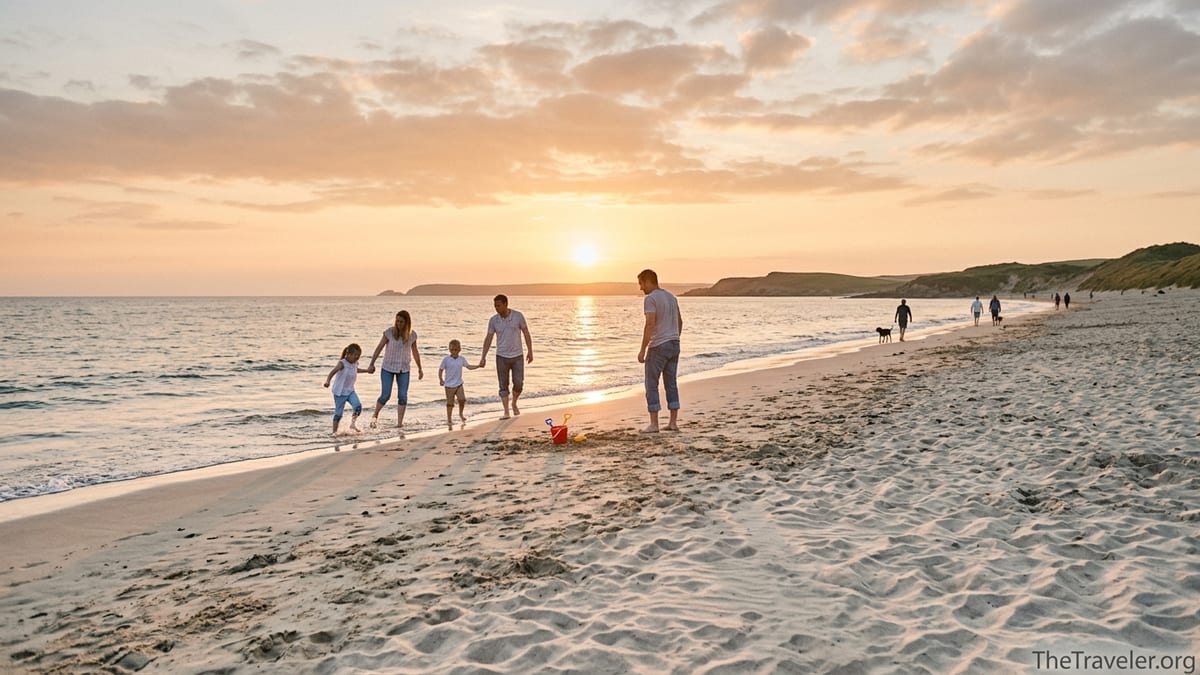
Soft sand, safe shallows and a sky that glows pink over the sea: the United Kingdom has far more family friendly, sunset facing beaches than many visitors expect. From Cornwall’s golden Atlantic bays to wide Welsh strands and sheltered Scottish coves, you can still find places where children can paddle safely, parents can actually relax, and everyone stays long enough to watch the sun melt into the horizon. This guide focuses on real beaches that work in practice: where to go, what to expect when you arrive, and how to make the most of your time on the sand.
How to Choose the Right Sandy UK Beach for Your Family
Planning a beach day in the UK is less about chasing tropical temperatures and more about finding the right combination of soft sand, safety and simple conveniences. For families, the starting point is usually a lifeguarded, gently shelving beach with toilets, nearby parking and somewhere to grab a hot drink or ice cream if the weather suddenly changes. The RNLI currently patrols more than two hundred beaches around the UK and Channel Islands in peak season, and choosing one of these dramatically increases peace of mind when children are in the water.
Look out for Blue Flag or Seaside Award status, which signal very good bathing water quality, regular cleaning and basic facilities such as litter bins and clear safety information. Dozens of UK beaches, from Tynemouth Longsands in North Tyneside to Bournemouth in Dorset and West Wittering in West Sussex, hold these awards in recent seasons, making them strong options if you are balancing swimming, sandcastles and sunset photos. Award status can change year to year, so it is worth checking the most recent list before you travel.
Orientation of the coastline also matters if sunsets are high on your wish list. Beaches that face west or north west catch the best of the evening light, so destinations such as North Cornwall, the Gower Peninsula, parts of North Wales and the western coasts of Cumbria and Scotland are particularly rewarding in summer. On the east coast, early rising families will find equally impressive sunrises instead, for example on the Northumberland coast or at Scarborough’s South Bay.
Finally, consider the full day experience. A brilliant family beach might not be the quietest or most dramatic; it might simply be the place where you can park within a five or ten minute walk, hire a deckchair for a few pounds, rinse sandy toes in a public shower and still have enough energy left for fish and chips. In practice, that often means established resort beaches where infrastructure has been built up over decades.
Cornwall and Devon: Golden Sand and Classic Family Resorts
When many people picture a UK beach holiday, they are thinking of Cornwall. On the north coast, Fistral Beach at Newquay and Perranporth offer long sweeps of sand, Atlantic surf and big sky sunsets. Fistral is well known in surfing circles, but the lifeguarded zones in summer are clearly flagged and suitable for confident child swimmers and bodyboarders in the shallows, especially at mid to high tide when the waves are less powerful near shore. Newquay’s town beaches, including Towan and Great Western, give easier access for pushchairs and younger families who prefer being closer to cafes and toilets.
Further west, St Ives Bay is home to several family favourites. Porthminster Beach combines fine sand with a sheltered aspect that usually produces calmer water than the open Atlantic; it sits just below the railway station, so day trippers can arrive by branch line and walk down in a few minutes. Carbis Bay, a short distance along the coast, is backed by hotels and apartments and is popular with families booking self catering stays. Expect to pay for parking in high season and arrive early on sunny days, as car parks at St Ives can fill by late morning in school holidays.
On the softer, more sheltered south coast, beaches such as Gyllyngvase in Falmouth and Porthcurno near Land’s End offer classic sand and good swimming conditions when the weather cooperates. Gyllyngvase usually has seasonal lifeguard cover, a promenade and level access from the car park, which makes it practical for buggies and grandparents. Porthcurno is more remote, reached via narrow lanes and a steepish walk, but rewards the effort with luminous turquoise water on bright days and high cliffs that glow in late evening light. Families often combine a day here with a visit to the nearby open air theatre.
Across the border in Devon, Woolacombe is one of the stand out beaches for both families and sunsets. This three kilometre stretch of mostly flat, golden sand looks straight out to the Atlantic, so the sun sets directly over the sea on clear summer evenings. There is a large main car park above the village, surf schools offering beginner lessons, and seasonal lifeguards on the busiest sections of sand. In South Devon, the sandy crescent of Blackpool Sands and the broad, family friendly beaches of Paignton and Torquay provide gentler conditions in a more traditional resort setting, complete with seafront amusements and easy access to accommodation.
South Coast & Isle of Wight: Sheltered Swimming and Easy Amenities
The south coast of England, from Hampshire through Sussex and into Kent, offers some of the warmest average sea temperatures in the UK in late summer and an abundance of family oriented resorts. In West Sussex, West Wittering is especially popular for its expansive sandy foreshore, extensive car park system and clear depth markers that help visitors judge how the tide is moving. The beach is backed by grassy dunes rather than a built up promenade, which makes it feel more natural even though you can still find toilets, showers and seasonal food kiosks behind the dunes.
Further east, the long arc of Bournemouth and Poole Bay is one of the easiest parts of the UK coastline for a low stress family beach holiday. The sand here is fine and gently sloping, there are multiple RNLI lifeguard stations along the main stretch during high season, and the promenade is dotted with hire huts, cafes and playgrounds. Many families book beach huts by the day or week, using them as a base to store buckets and spades, wetsuits and snacks. Even day visitors from London can arrive by direct train to Bournemouth in around two hours, then walk or take an open top bus to the seafront.
Beyond the Solent, the Isle of Wight packs a surprising range of family beaches into a compact area. Sandown and Shanklin, on the east coast of the island, are both classic Victorian resorts with wide sandy beaches, traditional piers and shallow water at low to mid tide that is suitable for paddling and early swimming practice. Facilities are extensive: expect multiple ice cream stalls, places selling buckets and spades for a few pounds, and seafront cafes that serve simple lunches at family friendly prices. For sunsets, the north and west coasts of the island, including Colwell Bay and Totland Bay, come into their own, with views across the Solent or out towards the English Channel.
Water quality along much of this coast has improved in recent years, but after heavy rain some locations can experience short term dips in bathing water classification. It is sensible for parents to quickly check the most recent Environment Agency bathing water reports before planning a day centred on swimming, particularly if younger children are likely to swallow seawater while playing in the waves.
Wales: Big Skies, Wild Dunes and Memorable Sunsets
Wales has some of the most dramatic sandy beaches in the UK, and several of them are excellent for families who want space to spread out and impressive sunsets rather than dense seafront development. On the Gower Peninsula, Rhossili Bay is often listed among the most beautiful beaches in Britain. The three mile stretch of sand faces west across the Atlantic, which means that on clear evenings the sun drops directly into the sea, creating deep orange and red reflections on the wet sand. The trade off is access: the main car park sits high above the beach, and the route down involves a steep path and steps, which can be challenging with pushchairs or tired toddlers.
Nearby, Port Eynon offers a more practical base for families. The sand and shallow water are still attractive, but the village has a campsite, fish and chip shop and a car park that sits just behind the beach, so you can wheel cool boxes and beach tents down a short ramp. During peak season, lifeguards usually patrol the main swimming area, and rock pools appear at lower tides, giving children an alternative activity when the wind picks up. Many families base themselves on Gower for a week and alternate between wilder beaches such as Rhossili and more sheltered spots depending on the day’s weather.
Further north, the long, dune backed beach at Harlech and the sweeping sands of Barmouth are both strong options for a combined family and sunset experience. Barmouth has the advantage of a railway station near the beach and a town that offers everything from inexpensive takeaway dinners to cafés serving local seafood. Roads into Snowdonia can be slow in peak tourist weeks, so travelling by train along the Cambrian Coast line is often less stressful than driving, particularly if you are carrying minimal gear.
On the island of Anglesey, Newborough and Llanddwyn beaches form a wide bay backed by pine forest with views across to the mountains of Eryri. The sand here is fine and pale, and the water can be relatively calm compared with more exposed parts of the Welsh coast. Families often park in the managed forest car park, pay a day rate at the barrier, and walk through the trees to the sand with picnics and bodyboards. On clear evenings, the sun sets behind the low headlands, casting soft light over the tidal island of Llanddwyn and making this one of the most photogenic sunset spots in the region.
Northern England: From Northumberland to the North West Coast
Northern England offers some of the widest and often quietest sandy beaches in the country. In Northumberland, Bamburgh’s vast stretch of sand beneath its cliff top castle is a highlight. Children can run for long distances, fly kites and build ambitious sand fortresses without worrying about bumping into other families every few metres, even on busy summer days. The North Sea here is cooler than southern waters, so many families use short wetsuits for longer swims, but sheltered shallows at low tide are still popular for paddling. The village has a small selection of cafés, and many visitors stay in self catering cottages or campsites in the surrounding area.
Further down the coast, Tynemouth Longsands near Newcastle combines wide, high quality sand with lifeguard cover in summer and convenient urban access. The beach is a popular day trip from Newcastle and Durham, and a regular surf scene means older children can book beginner lessons with local surf schools. Behind the beach, a promenade with cafés, a playground and small kiosks selling hot drinks means families can retreat for warmth without leaving the seafront. Longsands has also repeatedly featured in national lists of Blue Flag or similarly recognised beaches, which reassures parents about cleanliness and water quality.
Across in Yorkshire, Scarborough’s South Bay and Filey’s long sandy bay are traditional family resort choices, with donkey rides, amusement arcades and readily available buckets and spades. The water here is generally shallow close to shore, and in fine weather families can spend long days moving between sand, sea and promenade. However, large tidal ranges mean the sea comes in quickly in some spots, so it is important to pay attention to local signage and avoid sitting at the very edge of dry sand during incoming tides.
On the opposite side of the country, the Irish Sea coast offers a different feel. Beaches such as Formby in Merseyside and St Anne’s near Blackpool provide wide sands backed by dunes and, on clear evenings, beautiful sunsets as the sun sinks over the sea towards Ireland. Formby is managed by a conservation charity, with paid parking and simple facilities, while St Anne’s has a more developed promenade and traditional seafront attractions. In Cumbria, the sands at places like Silecroft and Earnse Bay on Walney Island are quieter still, rewarding those willing to travel a little further for space and sky.
Scotland: Wild Sands, Big Tides and Uncrowded Beauty
Scotland’s coastline is longer than that of England and Wales combined, and much of it is lined with sandy beaches that remain remarkably uncrowded, even in school holidays. On the east coast, the beaches of East Lothian, such as Yellowcraig and Gullane, offer wide expanses of sand with shallow water at low tide and views across the Firth of Forth. These are popular day trips from Edinburgh; visitors can take a train to North Berwick or a bus from the city, then walk 15 to 30 minutes to reach the sand. Facilities vary from simple car parks and basic toilets to small beachfront cafés serving coffee and home baked cakes.
For families who want both soft sand and spectacular sunsets, the west coast and islands are the better choice. On the Isle of Harris in the Outer Hebrides, beaches like Luskentyre and Seilebost have pale sand and clear water often compared to more tropical locations in photographs, even though the sea temperature remains bracing. The beaches face west and north west, capturing long lingering sunsets in late spring and summer when the sun barely dips below the horizon. Access usually involves single track roads and short walks from informal parking areas, so these destinations best suit families with older children who can manage changing weather and carry their own gear.
Further south, the Ayrshire coast offers easier access to sandy beaches from cities such as Glasgow. Troon and Prestwick both have wide sandy bays, golf course backdrops and views over to the Isle of Arran. Trains from Glasgow take under an hour, and seafront promenades have playgrounds and chip shops that appeal to younger visitors. Sunsets here can be spectacular on clear days, with the outline of Arran turning deep purple against an orange sky, but as with much of the UK, weather can turn quickly, so extra layers and windproof jackets are advisable even on apparently warm days.
Parents should note that formal lifeguard provision is less widespread in Scotland than in parts of England and Wales. That does not mean beaches are unsafe, but it places more responsibility on families to assess conditions, particularly on days with large Atlantic swells or strong winds. Simple precautions such as staying within your depth, supervising children closely and avoiding swimming near river mouths or rocky headlands go a long way to keeping beach days enjoyable.
Practical Tips: Staying Safe, Warm and Happy on UK Beaches
Even on the sunniest UK days, sea temperatures are cooler than many overseas destinations, typically ranging from around the low teens Celsius in early summer to the mid teens or a little higher in the warmest spells. For children who want to spend a lot of time in the water, inexpensive short wetsuits, often available in supermarkets and outdoor shops from late spring, can dramatically extend how long they stay comfortable. A simple windbreak or small beach tent, which you can buy for a modest price at larger supermarkets or outdoor chains, also makes a big difference when the breeze picks up.
Choosing a lifeguarded beach in season is one of the most important safety decisions you can make. RNLI lifeguards, where present, usually operate between morning and early evening, for example 10am to 6pm on many popular beaches, and set out red and yellow flags marking the safest swimming and bodyboarding zones. Always enter the water between these flags and pay attention to any advice given from the lifeguard station, particularly around rip currents or shifting sandbanks that may not be obvious to visitors.
Tides can transform UK beaches over the course of a few hours. A huge, apparently empty expanse of sand at low tide can shrink quickly as the sea comes back in, cutting off access around headlands or flooding low lying sandbanks. Before settling for the day, check tide times on a reliable tide table service for the specific beach, and avoid setting up at the water’s edge if the tide is due to rise. Some popular family beaches, such as Weston super Mare, have areas of soft mud beyond the main sand, which are clearly marked with warning signs; observe these and explain their meaning to curious children.
Finally, remember that a successful family beach day is rarely about perfection but about flexibly responding to the weather and conditions you find. Pack changes of clothes, including warm layers and waterproofs, along with simple comforts like a flask of hot chocolate for late evening sunset watching. Build in time for breaks in cafés or seafront shelters if clouds roll in, and have a rough exit plan if younger children simply run out of energy. With realistic expectations and a little planning, UK sand, sea and sunset can feel just as memorable as long haul destinations.
The Takeaway
Across England, Wales and Scotland, the UK offers a richer variety of sandy, family friendly beaches than many travellers imagine. Whether you choose Cornwall’s golden bays, the Solent’s sheltered strands, Wales’s wild Atlantic facing dunes, the castle backed sands of Northumberland or Scotland’s vast island beaches, you can combine safe paddling, long walks and striking sunsets without leaving the country. The details differ from place to place, but the key ingredients remain consistent: soft sand underfoot, lifeguards where possible, easy access to basic facilities and an awareness of how weather and tides shape each day by the sea.
For families, the most satisfying choice is often not the most remote beach but the one that fits your children’s ages, your travel logistics and your appetite for adventure. A central car park and promenade might sound less romantic than a hidden cove, yet they can mean the difference between a stressful outing and a genuinely relaxing day. Balance your wish for wild scenery against the reality of naps, snack times and toilet breaks.
If sunsets are important, lean towards west and north west facing coasts such as North Devon, parts of Cornwall, the Gower, North Wales, the Irish Sea side of northern England and much of western Scotland. Plan to stay late on at least one evening, with spare towels and warm clothes ready, and watch the colours shift across the water together. Those shared moments, more than any checklist of “best beaches,” are what children tend to remember.
Most importantly, remember that UK beaches reward repeat visits and slow exploration. A bay that feels windswept and grey on one trip may blaze with colour on the next; a resort that seems busy at noon can feel tranquil at dusk. By mixing well known family resorts with a few quieter alternatives, and by respecting the power of the sea while enjoying its pleasures, you can build a set of beach traditions that last well beyond a single summer.
FAQ
Q1. What is the best month for family beach trips in the UK?
For a balance of milder sea temperatures, longer days and more reliable lifeguard cover, late June through early September usually works best, with school holiday weeks in late July and August seeing the warmest water but also the biggest crowds.
Q2. Do I really need wetsuits for children on UK beaches?
No, but short wetsuits or thermal rash vests help children stay warm in the water for longer, especially on Atlantic facing beaches where temperatures can feel cool even on sunny days; they are often inexpensive and widely sold in supermarkets and outdoor shops from spring onward.
Q3. How can I check if a UK beach is safe for swimming?
Look for RNLI lifeguards in season, swim between the red and yellow flags they set out, read local safety signage when you arrive, and check recent bathing water quality reports from the Environment Agency or relevant devolved authority before planning long swims.
Q4. Which UK coasts are best for sunset views over the sea?
West and north west facing coasts generally offer the best sunsets, including North Cornwall and North Devon, the Gower Peninsula and parts of North Wales, the Irish Sea coasts of northwest England and Cumbria, and much of western Scotland and the Hebridean islands.
Q5. Are dogs allowed on family beaches in summer?
Rules vary widely: many popular resort beaches introduce dog restrictions on the main central sections from spring through autumn, while neighbouring stretches may remain dog friendly, so it is essential to check current local council guidance before arriving with a pet.
Q6. How early should I arrive at busy beaches during school holidays?
On hot, settled days in late July and August, car parks at headline beaches such as West Wittering, Bournemouth or Woolacombe can fill by late morning, so aiming to arrive between 8am and 10am typically gives you the best chance of easy parking and a good spot on the sand.
Q7. What should I pack for a full day on a UK beach with young children?
Alongside swimsuits and towels, useful items include warm layers, a basic first aid kit, high factor sunscreen, hats, plenty of snacks and water, a small windbreak or sun tent, and a change of clothes for the journey home in case of sudden showers or chilly evenings.
Q8. Are there accessible sandy beaches for pushchairs and wheelchairs?
Yes, many major resorts such as Bournemouth, Sandown, Scarborough South Bay and some Cornish town beaches offer level or ramped access from promenade to sand, accessible toilets nearby and, in some cases, beach wheelchairs available to borrow or hire via local schemes.
Q9. How do tides affect our day at the beach?
Tides change the width of the sandy area and the depth and speed of the water; always check local tide times, avoid setting up too close to the water line on a rising tide, and be cautious about walking around rocky headlands or onto offshore sandbanks when the tide is due to come in.
Q10. Can we rely on UK weather forecasts when planning a sunset visit?
Short term forecasts for the next 24 to 48 hours are usually reasonably reliable for cloud cover and wind, but conditions can still change quickly on the coast, so bring extra layers and be prepared to adapt if clouds roll in shortly before sunset.