


Canadian Horseshoe Falls is the dramatic centerpiece of Niagara Falls, and most trips here are short. That means every hour counts. To help you make the most of limited time on the Canadian side, this guide focuses on the best things to do right at or near Horseshoe Falls, how they fit together in a realistic day, and the practical details that matter in real life, from typical prices to timing and crowd patterns.
Getting Oriented at Horseshoe Falls
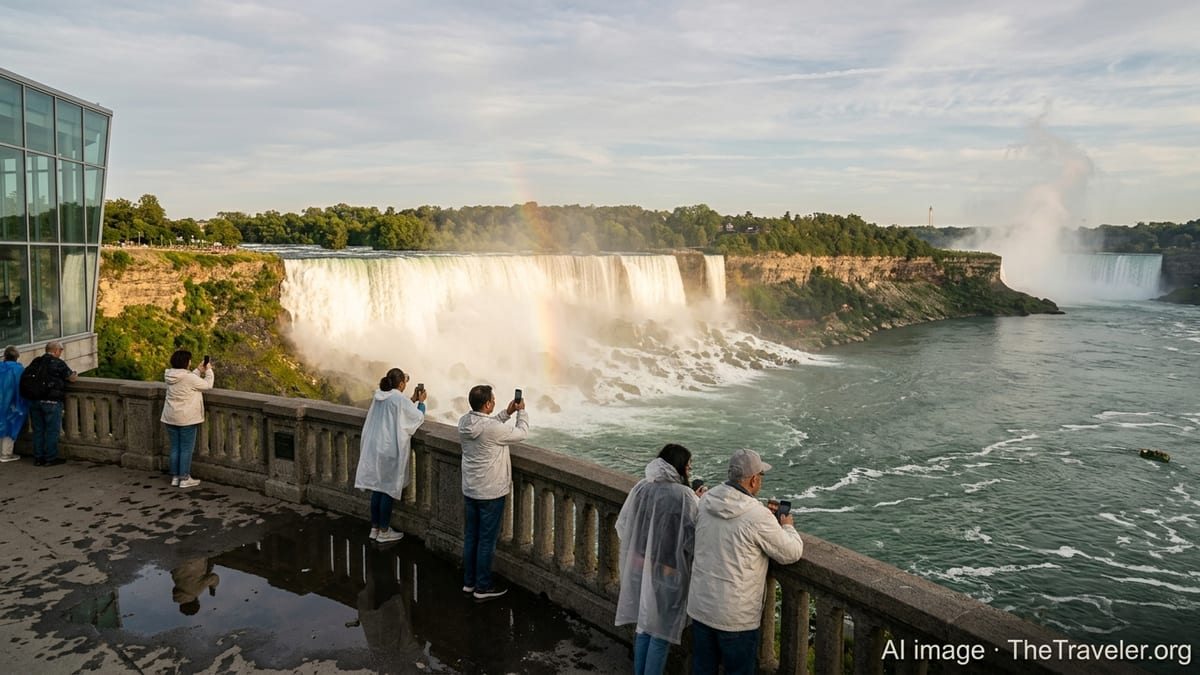
The Canadian Horseshoe Falls is the largest of the three waterfalls that make up Niagara Falls, straddling the border between Ontario and New York. The heart of the action on the Canadian side is Table Rock Centre, an indoor complex built almost at the brink of the falls. From here you can walk a few steps to the railings overlooking the cataract, buy attraction tickets, pick up a poncho for the tunnels, grab a coffee or snack and connect to the WEGO tourist bus network that runs along the river.
If you are arriving by car, one of the most straightforward strategies is to park once near Table Rock Centre and explore on foot from there. Parking rates vary by season and day of the week and are often higher in summer and on long weekends, but many travelers report paying in the range of what you might spend for a day of downtown city parking. If you prefer not to drive at all, the GO Train and coach services from Toronto frequently package transport with a 24 or 48 hour WEGO bus pass, so you can step off the train and ride directly to the falls area without arranging separate tickets.
The promenade along Niagara Parkway next to Horseshoe Falls is completely free and open at all hours. Even if you decide not to pay for any attractions, you should still plan at least an hour to walk the railings, feel the mist blowing across the path and watch the tour boats disappear into the spray. Early morning just after sunrise is usually the quietest time, with soft side light catching the water and far fewer tour buses than later in the day.
Because many of the paid attractions are clustered around Horseshoe Falls, it is easy to chain them together without spending much time in transit. A classic sequence is to start at Journey Behind the Falls right at opening, ride the Niagara City Cruises boat tour late morning or early afternoon and then work your way upriver for viewpoints, parks and, if you like adrenaline, a zipline ride toward the gorge.
Journey Behind the Falls: Inside the Thunder
Journey Behind the Falls is one of the signature experiences at Horseshoe Falls and takes you down to a series of tunnels and viewing portals carved into the bedrock behind the waterfall. The entrance is inside Table Rock Centre, so it slots neatly into any visit. After buying or scanning your ticket, you ride an elevator about 38 meters down to a tunnel network that leads to two “Behind the Falls” portals cut directly through the rock curtain and a lower observation platform beside the base.
The experience is not a thrill ride, but rather a sensory immersion in the power of the water. The portals behind the falls are like stone-framed windows filled entirely with moving white water and an almost physical roar. On the exterior platform, you stand almost level with the Niagara River as it crashes down, with constant fine spray. Niagara Parks provides a lightweight poncho, but you will still want waterproof footwear and a waterproof cover or bag for phones and cameras. Most visits take 45 to 60 minutes, longer if you linger on the platform for photos.
Lines for Journey Behind the Falls can become long by late morning, especially in July and August and on Canadian and US holiday weekends. If this is a must-do for you, aim for the first hour of opening or later in the evening when day-tripper buses have left. Many travelers find that booking a timed ticket in advance, either directly with Niagara Parks or through a tour package that combines Journey Behind the Falls with the boat cruise, helps them avoid the worst of the queues.
For families, Journey Behind the Falls works well with a range of ages, but be prepared for loud noise and wet conditions, especially if you have younger children or anyone sensitive to sensory overload. Strollers are not practical in the tunnels, so carriers are easier. In shoulder seasons like April or October, temperatures at the lower platform can feel significantly cooler than at street level, so pack a warm layer even on a sunny day.
Niagara City Cruises: Sailing Into the Mist
The boat tour from the Canadian side, operated by Niagara City Cruises, is widely seen as the single unmissable attraction at Niagara Falls. The standard “Voyage to the Falls” trip is a roughly 20 minute cruise that departs from the dock below the Clifton Hill area, travels past the smaller American Falls and Bridal Veil Falls and then heads directly into the spray zone at the base of Canadian Horseshoe Falls. You remain outside on the deck if you want the full drenching, or step under partial cover near the cabin if you prefer to stay drier.
Schedules and hours vary by season and weather, but the core operating period generally runs from spring through late fall. At busy times, sailings depart every 15 to 30 minutes. Ticket prices are typically in the moderate range for a major attraction, per adult, with children paying less, and there are discounts for combination packages that bundle the cruise with other Niagara Parks attractions. Ponchos are handed out before you board, so you do not need to bring your own rain gear unless you want extra protection.
For many visitors, the most rewarding time to ride is either first thing in the morning for quieter decks and softer light or in late afternoon when the sun is lower and rainbows often form in the mist. Night cruises are sometimes offered during peak season when fireworks or illumination shows are scheduled, providing a very different atmosphere with the falls lit in shifting colors instead of daylight. If you get motion-sick easily, the ride is usually smooth, but standing midship or near the centerline can feel more stable than the bow.
Lines at the base station can be substantial on July and August weekends, so factor waiting time into your planning. A practical strategy is to ride Niagara City Cruises before or after lunchtime and schedule indoor or flexible activities such as Table Rock Centre exhibits or a sit-down meal during the midday rush. If you are on a tight schedule or visiting for just a few hours as part of a longer trip between Toronto and the US border, joining a small-group tour that includes timed boat tickets and hotel or station pickup can help you hit the key sights without worrying about separate bookings.
Viewing the Falls from Above: Promenades, Parks and Dinner with a View
Even with tunnels and boat decks, some of the most satisfying Horseshoe Falls moments are the simplest: walking the promenade or lingering over a meal with floor-to-ceiling windows. The paved walkway along Niagara Parkway between Table Rock Centre and Clifton Hill offers multiple angles on the falls and the gorge, with benches and grassy patches in Queen Victoria Park where you can sit and watch the changing color of the water through the day.
On sunny summer afternoons this stretch becomes a lively scene with street performers, ice cream vendors and families taking photos against the misty backdrop. In shoulder seasons such as late May or September, it feels quieter and more relaxed, and you can capture long-exposure style photographs using a tripod or stable railing without jostling crowds. If you enjoy photography, sunrise tends to bring softer side light on the Canadian side of the falls, while late afternoon can be dramatic when the sun swings behind the spray and throws rainbows across the gorge.
For travelers who like to pair views with dining, several restaurants in the Fallsview district and around Table Rock Centre cater explicitly to sightseeing. Options range from casual food-court counters inside Table Rock Centre, where you can grab a quick meal and still see the water through large windows, to higher-floor hotel restaurants and revolving dining rooms along Fallsview Boulevard. Advance reservations are a good idea during peak dates such as long weekends or school holidays, especially for sunset or evening time slots when the falls are illuminated.
If you are visiting on a special occasion, consider timing your dinner to overlap with the nightly illumination of the falls and, on many nights in late spring through fall, fireworks shows above the gorge. You can start with a twilight stroll along the railings, then head inside for dessert and coffee as the lights intensify. Be prepared for slightly higher menu prices in restaurants with the best views, comparable to what you would pay for a skyline vista in a major city.
Adrenaline Around the Rim: Ziplining and Other Thrills
For visitors who want more than passive viewing, the Horseshoe Falls area offers several adrenaline options. One of the most popular is the MistRider Zipline to the Falls, operated by WildPlay. This multi-line zip sends riders off a launch platform near the top of the gorge, gliding toward the base area downstream with a clear view of Horseshoe Falls on one side and the American Falls on the other. Riders are seated in harnesses, and the experience is designed to be hands free and guided, which makes it accessible to a wide range of ages and comfort levels.
The zipline operates seasonally, with hours expanding in summer to cover long daylight days. In shoulder months, common patterns include opening mid-morning and closing by early evening, with extended hours in July and August that can run into the night. Ticket prices reflect its status as a premium thrill attraction, with per-ride costs higher than a museum or observation deck but comparable to similar ziplines in other major tourist destinations. You should plan around 45 minutes to an hour for check in, harnessing, safety briefing and the ride itself.
Because the launch platform is outdoors and fully exposed to the elements, weather plays a big role in whether the zipline operates. High winds, lightning and heavy rain can cause temporary closures, and staff will often advise you at check in if there is a risk of interruption. If you are visiting Niagara Falls on a very tight schedule and the zipline is high on your list, consider booking a slot earlier in the day so there is room to rebook later if necessary.
Other high-energy options in the broader Niagara area include jet-boat rides that run through the rapids downstream of the gorge, indoor water parks in nearby hotels and seasonal attractions such as ropes courses. These are not directly at Horseshoe Falls but can easily be added if you are staying overnight. To avoid overloading your day, many travelers find that combining one major thrill activity, one classic water-focused attraction such as the boat or tunnels and plenty of time on the free promenade strikes a good balance.
Getting Around: WEGO Buses, Walking and Parking Strategy
One of the practical questions at Horseshoe Falls is how to move between attractions without wasting time or money. The WEGO visitor transportation system, a bus network jointly run by Niagara Parks and local transit partners, is designed for exactly this purpose. Pass options commonly include 24 and 48 hour unlimited travel, and many Niagara Parks passes and GO Train packages from Toronto bundle WEGO access so you only need to tap your card or scan a code as you board. As of mid 2020s brochures, dedicated WEGO passes for adults are typically priced in the mid-teens in Canadian dollars for a day, with child discounts and multi-day options.
All WEGO lines intersect at or near Table Rock Centre, which makes it a convenient hub for exploring Horseshoe Falls and then heading farther afield along Niagara Parkway to sights such as the Niagara Parks Power Station, the Niagara Parks Botanical Gardens and the Whirlpool Aero Car area. The Green Line in particular runs close to the river and stops at many natural and historic attractions. Buses are low-floor and designed to accommodate strollers and mobility devices, though drivers may ask passengers to fold larger strollers during busy periods.
If you prefer to walk, the core Horseshoe Falls area is compact. The distance from Table Rock Centre to the Clifton Hill entertainment strip is roughly 15 to 20 minutes on foot at a relaxed pace, mostly along flat paved promenade with constant views of the gorge. From many Fallsview hotels, you can reach the brink of the falls in about the same time, though you should factor in uphill stretches when returning at the end of the day. In winter, sidewalks can be icy near the railings due to constant spray, and footwear with decent traction becomes important.
Driving remains an option, but you will need to weigh parking costs and the time spent moving your car between lots against the convenience of having your vehicle close at hand. Niagara Parks offers day parking passes for its lots that sometimes are sold as add-ons when you purchase attraction tickets online. For a couple or family that plans to visit multiple attractions spread along the parkway, a day parking pass or WEGO bus access often works out cheaper than paying separate hourly rates at each stop, especially on summer weekends.
Seeing Horseshoe Falls After Dark: Illumination and Fireworks
Many first-time visitors are surprised by how different Horseshoe Falls feels after sunset. Powerful LED arrays on both the Canadian and US sides bathe the water in slowly shifting colors every evening, typically starting around dusk and continuing into the night. The mist and spray catch the light, creating a constantly changing curtain of color that looks completely different from the daytime flow. On many nights between late spring and early fall, short fireworks displays are launched above the gorge, drawing crowds to Queen Victoria Park and the promenade.
Illumination start times and fireworks schedules vary by season and are usually published by Niagara Parks ahead of time, but a simple rule is that the show begins shortly after local sunset and runs on a repeating cycle. In summer, this can mean a fairly late start, so families with younger children may want to plan an afternoon rest at their hotel before returning to the railings after dark. In winter, early sunsets mean you can easily fit in both daylight and illuminated views before dinner.
The best free viewing points for the illuminated falls are along the railings between Table Rock Centre and the Rainbow Bridge area, with particularly good angles from Queen Victoria Park where the river curves gently. For those who prefer to stay indoors, many Fallsview hotel rooms and restaurants offer direct line-of-sight views of the colored water. In peak season, fireworks nights can become crowded near the most popular vantage points; arriving 20 to 30 minutes before show time usually provides enough buffer to find a spot without feeling crushed.
Tripods for night photography are generally allowed along the public promenade, but be courteous about where you set up. Long exposures of one to several seconds can capture silky water and saturated colors, especially on colder nights when there is less spray. Carry a microfiber cloth to wipe condensation from lenses, and consider a weather-resistant camera or protective cover, as even on calm evenings there is often a fine mist in the air.
Building the Perfect Half-Day or Full-Day Itinerary
Because Canadian Horseshoe Falls is such a compact destination, you can see the essentials in as little as half a day, but a full day or overnight stay lets you slow down and avoid feeling rushed. For a focused half-day, a practical sequence would be to arrive at Table Rock Centre close to opening, walk the brink for first impressions, descend for Journey Behind the Falls, then ride Niagara City Cruises late morning or early afternoon before strolling the promenade and heading onward.
If you have a full day, you can space out these anchor attractions with longer breaks in Queen Victoria Park, an early dinner in the Fallsview district and an evening return for illumination and fireworks. Adrenaline activities such as the MistRider Zipline fit well in mid to late afternoon, when the light is good for photos and temperatures are warmer than in the morning. On days with changeable weather, consider starting with indoor or flexible attractions such as the tunnels, shopping and exhibits inside Table Rock, then pivot to outdoor plans as conditions improve.
Families with younger children often find it helpful to commit to no more than two major paid attractions in one day, using the free promenade, playgrounds and green spaces to fill the gaps. For example, you might combine Journey Behind the Falls with the boat cruise, or the boat cruise with the zipline, rather than trying to do all three plus distant sights such as the botanical gardens. Older kids and teens, by contrast, may prefer a more packed schedule, trading long sit-down meals for quick service options to fit in extra thrills.
Regardless of how much time you have, try to build your day around the natural rhythm of the crowds. Early morning and late evening tend to be best for the brink viewpoints. Midmorning to midafternoon is when tour buses peak, so that slot is well suited to timed entries and attractions where queuing is organized. By planning your anchor experiences first and filling in the rest of the day with flexible options such as cafes, photo stops and short walks, you reduce the risk of missing a top attraction because of an unexpected line or weather delay.
The Takeaway
Canadian Horseshoe Falls rewards both quick stopovers and carefully planned stays, as long as you focus on the few experiences that matter most to you. For many visitors that means pairing at least one close-up water encounter like Journey Behind the Falls or the Niagara City Cruises boat with plenty of time at the brink and along the riverfront promenade. Adding an adrenaline hit on the zipline, a leisurely meal with a view and an evening stroll under the illuminated falls rounds out a classic Niagara day.
You do not need to do everything to feel that you have truly experienced Horseshoe Falls. In fact, trying to squeeze in every attraction can make the day feel rushed and blur your memories. Instead, use the practical details in this guide to choose the elements that fit your travel style, budget and energy level. Whether you stand at the railings at dawn nearly alone, sail into the mist at midday or watch the colors shift across the water at night, you will leave with a sense of why this corner of the Niagara River has drawn travelers for generations.
FAQ
Q1. Do I need to buy tickets in advance for Niagara City Cruises and Journey Behind the Falls?
For peak periods such as summer weekends, holidays and school breaks, buying tickets in advance is strongly recommended, especially for Niagara City Cruises. Timed tickets help you avoid the longest lines, and combination passes offered by Niagara Parks or tour companies can simplify planning. In quieter months and on midweek days, you can often purchase same-day tickets at the attraction, but availability is never guaranteed.
Q2. How much time should I plan at Canadian Horseshoe Falls?
If you want to experience the brink views plus one flagship attraction such as the boat cruise or Journey Behind the Falls, plan at least four hours including time for walking, photos and short breaks. For a more relaxed visit that includes two or three paid attractions, a sit-down meal, time in Queen Victoria Park and evening illumination, a full day or an overnight stay is ideal.
Q3. Is the WEGO bus pass worth it if I am only interested in Horseshoe Falls?
If you are staying within walking distance of Table Rock Centre and only plan to visit attractions right at the falls, you may not need a WEGO pass. However, if you expect to explore farther along Niagara Parkway, are arriving by GO Train or coach, or prefer to avoid searching for parking at multiple lots, a 24 or 48 hour WEGO pass or a Niagara Parks package that includes it can be good value.
Q4. What should I wear for Journey Behind the Falls and the boat tour?
Both experiences involve significant spray, so waterproof or quick drying clothing and closed-toe shoes are wise. The operators provide plastic ponchos, but many travelers bring a light rain jacket or waterproof shell for extra comfort. In cooler months, temperatures near the water can feel noticeably colder than in town, so pack a warm layer, hat and gloves, especially for evening cruises.
Q5. Is the MistRider Zipline suitable for children and people afraid of heights?
The MistRider Zipline uses secure seated harnesses and is fully guided, and many visitors who are moderately nervous about heights still enjoy it. Age, weight and health restrictions apply, so always check current requirements before booking. Children who meet the minimum criteria can usually ride, but those with a strong fear of heights may prefer to watch from the viewing areas at the launch or landing platforms instead.
Q6. Can I see Horseshoe Falls without paying for any attractions?
Yes. The brink viewpoints along the public promenade next to Niagara Parkway, including the railings outside Table Rock Centre and in Queen Victoria Park, are completely free. You can have an excellent experience just by walking the paths, taking photos, and watching the boats from above. Paid attractions add different perspectives but are optional.
Q7. When is the best time of year to visit Horseshoe Falls?
Summer offers the warmest weather, longest operating hours and the fullest schedule of fireworks and evening illumination, but it also brings the largest crowds and higher accommodation prices. Late spring and early fall can be a sweet spot, with most attractions running but slightly fewer visitors and milder temperatures. Winter is cold and occasionally icy near the railings, yet it offers dramatic frozen scenery and fewer people.
Q8. Are the main Horseshoe Falls attractions accessible for visitors with limited mobility?
Key sites such as Table Rock Centre, Journey Behind the Falls and the Niagara City Cruises boarding area have elevators, ramps and accessible washrooms. WEGO buses are low-floor and accept mobility devices. That said, some outdoor viewing platforms and older walkways may include slopes or sections that are challenging in bad weather. Checking the latest accessibility notes from Niagara Parks and allowing extra time for movement between sites is a good idea.
Q9. How late do the falls stay illuminated at night?
The nightly illumination typically begins around dusk and continues until late evening or into the early hours, with exact end times varying by season and special events. In summer the lights often stay on well after midnight, while in winter they may end earlier. Fireworks shows, when scheduled, usually happen at set times in the evening and last several minutes.
Q10. Is it better to stay on the Canadian side or just visit on a day trip?
Staying at least one night on the Canadian side lets you see both daytime and nighttime views, move at a more relaxed pace and fit in more experiences without rushing. However, if time is tight, a well planned day trip from nearby cities such as Toronto or Buffalo can still cover the main highlights. The choice depends on your itinerary, budget and how much you enjoy being out around the falls after dark.