


Crete stretches for more than 250 kilometers across the southern Aegean and Libyan seas, and its climate reflects both its size and its mountains. Overall it has a classic Mediterranean pattern, with hot, dry summers and mild, wetter winters. Yet conditions can differ noticeably between the busier north coast and the sunnier, more sheltered south, and between low-lying beaches and high plateaus where snow lingers in winter. Understanding these patterns, and how they affect sea temperatures, crowds, prices and what is actually open, is the key to choosing your ideal travel window.
Get the latest updates straight to your inbox!
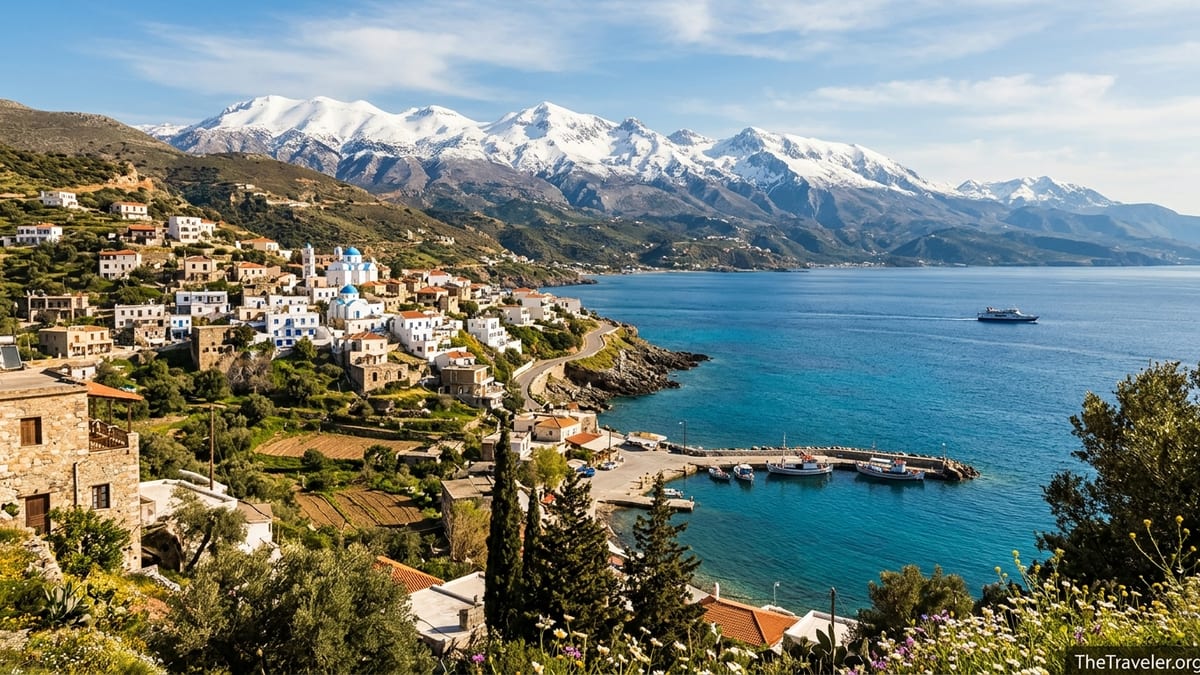
Crete’s climate in context and how it varies around the island
Crete enjoys long, bright summers and relatively mild winters compared with much of mainland Europe. In a typical year, northern cities such as Heraklion and Chania see warm, dry weather from late May through September, with peak daytime highs commonly around the low 30s Celsius in July and August. Winter months are cooler and bring most of the island’s rainfall, but daytime temperatures in the low to mid-teens are common at sea level rather than prolonged cold.
Because the island is mountainous, with central ranges that rise well above 2,000 meters, local microclimates are significant. South-coast settlements on the Libyan Sea, including villages in the Sfakia area or around Ierapetra, often stay slightly warmer and drier than the north in spring and autumn, and can still see swimmable seas when the north coast feels too windy or cool. Conversely, upland areas experience much cooler conditions, with regular winter snowfall and a noticeably later start to the hiking season on higher trails.
For a broad sense of conditions, climate normals for Heraklion and Chania show similar patterns. Using long-term data for Heraklion from the Hellenic National Meteorological Service and more recent reanalysis-based climate tables for Chania, average daytime highs rise from around 14 to 16 degrees Celsius in January and February to roughly 28 to 30 degrees in July and August, while sea temperatures off the north coast typically range from about 16 degrees in midwinter to the mid-20s in late summer. These are averages rather than forecasts, but they are a useful guide to seasonal trends.
Sea temperatures in particular lag behind air temperatures. Around Chania, for example, aggregated marine data indicate that the sea is usually coolest in February and March, around the mid-teens Celsius, then steadily warms from May, reaching roughly 24 to 26 degrees in August and often staying above 22 degrees into October. This lag is crucial for travelers who prioritize warm, easy swimming, as late summer and early autumn are often more comfortable in the water than the air temperatures of spring might suggest.
To give readers a practical overview, a writer preparing this article should compile a concise table of typical monthly averages for at least one north-coast city, such as Heraklion or Chania. This table should include, for each month, average daytime high temperature, approximate rainfall totals and average sea temperature, drawn from recent official or meteorological sources such as the Hellenic National Meteorological Service, national observatories or reputable climate-data aggregators that use modern reanalysis datasets. The writer should note clearly when these figures were last verified, for example “Climate averages verified in November 2026.”
Late spring (April to May): green landscapes and prime hiking
Late spring is widely regarded as one of the best times to visit Crete, especially for active travelers. By April, days on the north coast usually feel pleasantly warm rather than hot, with typical daytime highs moving into the upper teens or low 20s Celsius. By May, averages in Heraklion and Chania often reach the low to mid-20s, rainfall drops sharply compared with winter, and the hillsides remain green with wildflowers still in bloom. For hiking gorges such as Imbros or exploring the old towns of Chania and Rethymno, these conditions are close to ideal.
Sea temperatures tell a more nuanced story. In April the water off the north coast is still relatively cool, often hovering around 16 to 17 degrees Celsius, which can feel bracing for long swims. By late May, averages tend to move toward about 19 to 20 degrees. Confident and hardy swimmers often start regular swimming from late April, but for most visitors May feels like the start of reliably enjoyable dips, especially on calmer south-coast beaches where the sea can warm a little faster and be sheltered from northerly winds.
From a crowd and price perspective, April and May are shoulder season. Many north-coast resorts and seasonal hotels open progressively from around Easter into early May, with the bulk of properties fully operational by late May, according to recent tourism and hotel information. Flight options to Heraklion and Chania increase around this time, and fares and room rates are generally lower than in July and August, though public holidays and school breaks in different European countries can create short-lived spikes in demand.
For practical planning, April and May are the months when most hiking routes become comfortably accessible, but some higher-altitude paths may still have patches of snow or mud, particularly in early April. The iconic Samaria Gorge, managed as Samaria National Park, traditionally opens sometime in spring and closes in autumn, with an indicative period from around 1 May to mid-October, subject to weather and safety assessments. The park’s own guidance emphasizes that actual opening and closing dates are decided each year by the relevant authorities and can change at short notice due to rain, rockfall risk or heat. Travelers should always verify the most recent information directly from the Samaria National Park management or their official ticketing channels shortly before a planned hike and note the date of that check in any published material.
Early summer (June): swimming season gathers pace
June on Crete bridges the gap between gentle spring and full high summer. Average daytime highs in north-coast cities typically reach the high 20s Celsius, with long hours of sunshine and very little rain. Evenings are still comparatively comfortable, which makes wandering the lanes of old towns or enjoying waterfront dinners particularly pleasant without the intense heat that often arrives later in the season.
Sea temperatures in June advance into what many visitors consider the comfortable zone. Around Chania, recent climate and marine datasets suggest average sea temperatures of roughly 22 degrees Celsius, which most travelers find inviting for regular swimming. Shallow, sheltered bays on both coasts can feel warmer, while exposed beaches may still feel cooler, especially when the seasonal northerly winds known locally as the meltemi begin to freshen.
In early June, crowd levels are moderate, with more space on popular beaches such as Balos, Elafonisi or Vai than later in summer, though weekends and specific holiday periods can already be busy. By late June, many package holidays are underway and family travel increases as some school systems begin their summer breaks, particularly from Northern and Western Europe. Prices for flights, car rentals and hotels tend to rise steadily over the month, with availability in sought-after coastal towns tightening for last-minute bookers.
For activities, June remains an excellent hiking month, though inland valleys and south-facing slopes can already feel hot by midday. Many travelers tackle gorges like Samaria, Imbros or Agia Irini by starting very early to avoid the strongest sun. Ferry and bus timetables are usually fuller than in spring, with more frequent services linking Crete to other islands and more local bus routes running to beach and resort areas. For those who want a balance of warm sea, long days and still-manageable crowds, June is often a strong choice.
High summer (July to August): heat, full services and peak crowds
July and August bring Crete’s hottest and busiest period. In both Heraklion and Chania, climate normals indicate average daytime highs around 30 to 31 degrees Celsius, with many days rising higher, especially during heat waves when inland locations can reach the mid or even upper 30s. Nights are warm, often remaining above 22 degrees, particularly in dense urban areas. Rain is minimal and sunshine is almost guaranteed, which appeals to beach-focused travelers but poses challenges for strenuous outdoor activities.
The sea during high summer is usually at its most inviting. Off the north coast, average sea temperatures in August often reach about 25 to 26 degrees Celsius, staying in the low to mid-20s in July. Swimming is comfortable for long periods, and sheltered coves can feel almost bath-like. This is when even more hesitant swimmers feel relaxed in the water, and many families with children find the combination of warm seas and predictable sunshine ideal.
However, the same conditions make hiking and city sightseeing more demanding. Midday heat on exposed trails can be intense, and the combination of high temperatures, strong sun and low shade means that hikers need to adapt their habits. Park authorities for Samaria Gorge may introduce restrictions or advisories during extreme heat for safety reasons. Anyone planning long walks in July or August should aim to start as early as possible, carry plenty of water, wear proper sun protection and consider shorter, shaded routes if forecasts predict very high temperatures.
From a tourism infrastructure standpoint, July and August are when virtually all resort hotels, beach clubs, tour operators and seasonal tavernas are open. This is the time of maximum choice, but also maximum demand. International and domestic flights are at their most frequent, but seats can be heavily booked, and prices for flights, ferries, rental cars and accommodation typically peak. Popular north-coast resort strips around Hersonissos, Malia, Stalis, Rethymno and Agios Nikolaos can feel crowded, and world-famous beaches and gorges may experience overtourism pressures, with packed car parks and congested trails at peak hours. For travelers tied to school holidays, these months can still work very well, provided they book well in advance, plan early-morning activities and accept the trade-off of higher prices and busier venues.
Early autumn (September to October): warm seas and softening crowds
Early autumn is, for many repeat visitors, the sweet spot. In September, average daytime highs in Heraklion and Chania often remain in the mid to high 20s Celsius, and sunshine remains plentiful. By October, temperatures moderate toward the low 20s, especially later in the month, with an uptick in showers compared with summer but still many dry, pleasant days. Humidity can be slightly higher after the long summer, but the overall feeling is generally more comfortable than in July and August.
Critically, the sea is usually at its warmest in early autumn. Since water temperatures lag behind air temperatures, the north-coast sea commonly stays around 24 to 25 degrees Celsius in September and remains above roughly 22 degrees well into at least the first half of October in many years. This makes September especially attractive for beach-focused travelers who want warm, easy swimming without the fiercest heat. On calmer south-coast beaches, swimming can remain comfortable even a little later, though conditions always depend on the particular weather that year.
Crowd levels begin to ease in September, although the first half of the month can still be busy in popular resort areas, partly because some European school systems remain on holiday and because adult travelers who avoid the highest heat favor this period. By late September and into October, numbers drop further, especially on the north-coast strips dominated by package resorts. In contrast, historic city centers such as Chania, Rethymno and Heraklion stay lively with a mix of tourists and locals, but feel less congested than in August.
In terms of what is open, most beach resorts and coastal hotels remain in full swing through at least late September. Many north-coast resort properties start closing progressively sometime after mid-October, with a broad pattern in recent years suggesting that a large share shut by the end of October, while some may extend a little into November if demand and weather justify it. Writers should verify a few representative areas such as Hersonissos, Malia or Elounda when researching, then describe the typical range rather than precise closing dates, since individual hotels and tour operators adjust their schedules each year.
Late autumn and winter (November to March): quieter, cooler and more local
From November through March, Crete transitions into its off-season. Average daytime highs in north-coast cities generally sit in the mid-teens Celsius in winter, with cooler nights and significantly higher rainfall than in summer. Storm systems tend to approach from the west and north, bringing windy days and rough seas at times, especially along the north coast. The high mountains often see snow, sometimes from late autumn through early spring, creating dramatic views from the lowlands.
Sea temperatures drop progressively, usually falling below 20 degrees Celsius by late November and reaching their coolest point, roughly around 16 degrees, in February and early March. While some locals and hardy visitors swim year-round, most travelers will find the sea too chilly for prolonged beach days. When calm, south-coast waters can feel slightly milder than the north, and the air can be pleasantly mild on sunny days, but winter is not a conventional beach season.
Tourism services along the main north-coast resort belts scale back sharply in this period. Many beach-resort hotels, seasonal tavernas and tourist shops close after their autumn season, typically sometime between mid-October and early November, and do not reopen until spring. Larger cities such as Heraklion, Chania and Rethymno, along with lived-in towns and villages with substantial year-round populations, remain open. Here, visitors will still find a good selection of hotels, apartments, restaurants and cafes, along with museums and archaeological sites that operate on adjusted winter hours according to national regulations.
Travel during this period offers a markedly different atmosphere. Prices for city accommodation are generally lower than in summer, and there is more opportunity to interact with local life rather than being surrounded by other tourists. However, some organized tours, boat trips and outdoor excursions either pause for the season or operate only on demand and subject to weather. Ferry schedules between Crete and smaller islands may be reduced, and rough seas can cause occasional disruptions. Winter travelers should build flexibility into their itineraries, focusing on cultural visits, inland drives on good-weather days, lower-level hikes when trails are not waterlogged, and enjoying the island’s food culture rather than expecting a typical beach holiday.
Resort openings, transport patterns and shoulder-season trade-offs
Understanding when places actually open and close is essential for flexible travelers who want to avoid both the heaviest crowds and the quietest months. Along the busy north coast, including areas near Heraklion airport such as Hersonissos and Malia, around Rethymno, and near Agios Nikolaos and Elounda, many resort-style hotels and tourist-oriented businesses typically operate from roughly April or early May until some time in October. Recent tourism commentary and hotel information suggest that a substantial proportion of these close between late October and early November, though exact dates vary based on contracts, airline schedules and year-to-year demand.
By contrast, the main cities of Chania, Rethymno and Heraklion maintain a year-round life. They serve as regional hubs, with permanent residents, universities, government offices and commercial districts, so accommodation, shops, markets and many restaurants remain open even in midwinter. Some coastal villages with significant local populations, particularly on the south coast, also retain a steady base of services through the off-season, while villages dominated by summer tourism can feel very quiet once the season ends.
Transport patterns follow similar seasonal contours. From roughly late spring to early autumn, there are usually more direct international flights into Heraklion and Chania, and more domestic connections with Athens and other islands. Ferry links between Crete and nearby islands or Piraeus also tend to be more frequent, often supplemented by seasonal routes. In winter, schedules become leaner, and although Crete remains well connected to Athens, connections to smaller islands are fewer and more vulnerable to cancellation during storms.
These patterns create classic shoulder-season trade-offs. Visiting in late spring or early autumn typically means more moderate prices and fewer crowds than in high summer, along with very good conditions for hiking and comfortable city exploration. At the same time, some boat excursions might not yet have started in April or may start to scale back by late October, and public transport frequencies can be slightly lower than at the summer peak. Travelers relying entirely on buses and ferries should pay close attention to current timetables for their specific dates, while those renting a car will find shoulder seasons especially convenient for exploring with less traffic.
Matching Crete’s seasons to different traveler priorities
Because conditions and offerings change so clearly through the year, the best time to visit Crete depends strongly on what each traveler values most. For families tied to school holidays and keen on beach time and hotel pools, high summer and early autumn often make the most sense. July and August provide virtually guaranteed heat, long days and fully operational family-friendly resorts, provided families are prepared for crowds and book accommodation and car rentals well ahead. For those able to travel a little later, early September keeps most of these advantages while offering slightly calmer conditions and often lower prices.
Dedicated hikers and outdoor enthusiasts usually gravitate toward late spring and early autumn. April, May, late September and early October offer milder daytime temperatures that make long gorge hikes and countryside walks safer and more enjoyable. Spring brings lush vegetation and wildflowers, while autumn combines softer light with very warm seas, especially in September. Hikers eyeing Samaria Gorge or other demanding routes should always check the latest official status and be ready to adjust plans if authorities close trails due to weather or maintenance.
History buffs and cultural travelers, whose focus is on archaeological sites like Knossos, Phaistos and Gortyna or on exploring the island’s museums and historic quarters, have more flexibility. For them, late October, November, March and even parts of winter can be rewarding, with quieter sites, easier parking and cooler conditions for wandering. They should, however, account for shorter daylight hours, the possibility of rain and reduced frequencies on some bus routes. Checking seasonal opening hours and ticket policies for major sites, which may follow national winter schedules, is advisable.
Travelers seeking a sense of quieter local life, including long-stay visitors or remote workers, often choose winter or the fringes of the off-season. From November to March, basing in a substantial town or city such as Chania or Heraklion provides access to year-round amenities alongside a more everyday atmosphere. While they must accept changeable weather, fewer tours and limited resort services, they gain the chance to see Crete apart from peak-season tourism and to explore at a slower pace when conditions allow.
Conclusion: choosing your window rather than chasing a single “best” month
There is no single perfect month for Crete that suits every traveler. Instead, the island offers a shifting balance of advantages across the year. Late spring and early autumn stand out for hikers and those who prefer milder heat and fewer crowds. High summer excels for beach-oriented families and anyone who wants maximum resort choice and guaranteed warmth, accepting higher prices and busier sights as part of the package. Winter and the off-season trade swimming weather and full services for lower costs, a local atmosphere and the chance to experience Crete in a more everyday rhythm.
When deciding when to visit, it helps to be explicit about priorities. Travelers for whom warm, easy swimming is non-negotiable will generally be happiest from mid-June through late September, with a particular advantage in September when the sea is typically at its warmest and the crowds are easing. Those who rank long hikes, cultural exploration and comfortable city strolling above beach time might instead circle April, May, late September or early October on their calendars.
Budget and logistical considerations add another layer. Flights, car rentals and accommodation are usually most expensive from roughly mid-June through early September, then drop during the shoulder seasons and again in winter, with occasional peaks around holidays. Ferry and bus frequencies are highest in summer and lowest in winter, which matters more to travelers who prefer not to drive. By matching these seasonal realities with personal priorities, flexible travelers can move beyond the idea of a universal “best time” and instead choose a specific window that delivers the right mix of weather, sea temperature, crowds, prices and atmosphere for their own version of Crete.