

France is a year-round destination, but the experience you have in Paris, Provence or the Alps can feel completely different depending on when you go. From lavender fields and Riviera beaches to vineyard harvests and Alpine ski slopes, understanding France’s seasons helps you match your trip to the kind of holiday you want. This guide breaks down the best time to visit France by season, looking at weather patterns, crowds, prices and regional highlights so you can plan with confidence.
Understanding France’s Seasons at a Glance
France has a temperate climate overall, but conditions vary significantly between the north and south, the Atlantic and Mediterranean coasts, and the country’s mountain ranges. Broadly, spring runs from March to May, summer from June to August, autumn from September to November and winter from December to February. Shoulder seasons in spring and autumn generally bring milder weather and fewer visitors, while summer is the busiest and winter brings both festive city breaks and serious ski conditions.
For many travelers, the sweet spots are April to June and September to early November, when you are likely to find pleasant temperatures and thinner crowds. During these periods you can usually enjoy café terraces in Paris, countryside walks and vineyard visits without the peak-season pressure on hotels and attractions. Summer still has its appeal, especially for the Mediterranean coast and family travel aligned with school holidays, but you should be prepared for higher prices and busy hotspots.
The “best” time ultimately depends on what you want to do. Beachgoers will prioritize warm sea temperatures and long days, while culture lovers might prefer quieter museums and atmospheric autumn streets. Wine enthusiasts tend to favor harvest season in early autumn, and skiers target the snowiest months in the Alps and Pyrenees. Keeping these priorities in mind will help you choose the right season rather than relying on a single universal answer.
Spring in France: Blooming Cities and Quiet Countryside
Spring in France, especially from April to early June, is widely regarded as one of the most rewarding times to visit. Temperatures are typically mild, with many regions warming into comfortable sightseeing weather by April and May. In Paris and much of northern France, parks and avenues burst into blossom, outdoor café life returns and there is a renewed energy after the darker winter months. Light layers and a compact umbrella are usually all you need to handle the mix of sunshine and occasional showers.
In the south, spring arrives earlier and with more consistent warmth. Provence and the French Riviera start to feel summery by late April, yet the coastal towns are still relatively calm compared with July and August. This is an excellent time for drives through the Provençal countryside, hiking in the hills behind Nice or Marseille and exploring hilltop villages before the peak-season heat. Lavender season peaks later, around late June into July, but spring still offers lush landscapes and wildflowers in many rural regions.
Spring is especially appealing for travelers who prioritize culture, food and scenery over beach days. Many markets, restaurants and small hotels that close in winter reopen by Easter, and there is a sense of local life resuming its outdoor rhythm. River cruises on the Seine, Rhône or Loire benefit from moderate temperatures, while cycling and walking holidays in areas such as the Loire Valley, Burgundy and Alsace are easier before summer heat settles in. For a balance of value and atmosphere, May is often one of the most attractive months to be in France.
Summer in France: Peak Sunshine and Peak Crowds
Summer, from late June through August, is France’s high season, particularly along the coasts and in major tourist centers. Days are long and usually warm or hot, particularly in the south and inland cities. On the Mediterranean, sea temperatures become inviting, and resorts on the French Riviera, Corsica and the Atlantic coast buzz with holidaymakers. This is prime time for swimming, sailing, coastal hikes and long evenings on outdoor terraces.
The trade-off for all that sunshine is crowds and higher costs. July and August see the greatest concentration of visitors, and many French residents also take their annual holidays during this window. As a result, popular destinations such as Paris, Nice, Bordeaux and the major wine regions can feel busy, and accommodation prices typically rise. If you are planning to travel in summer, it is wise to book trains, flights and hotels well in advance, especially if your dates coincide with school vacations or major festivals.
Heat can also be a factor, particularly in the south and in some inland cities, where afternoon temperatures can climb uncomfortably high during occasional heatwaves. To cope, travelers often plan sightseeing in the early morning and late afternoon, reserving the hottest hours for shaded café breaks or a rest at their hotel. In Paris, one advantage of midsummer is that many locals leave the city, so some neighborhoods feel quieter during the day even as top landmarks remain popular. For families bound to school calendars or travelers focused on beach time, summer remains a classic, if busy, choice.
Autumn in France: Harvest, Color and Cultural Calm
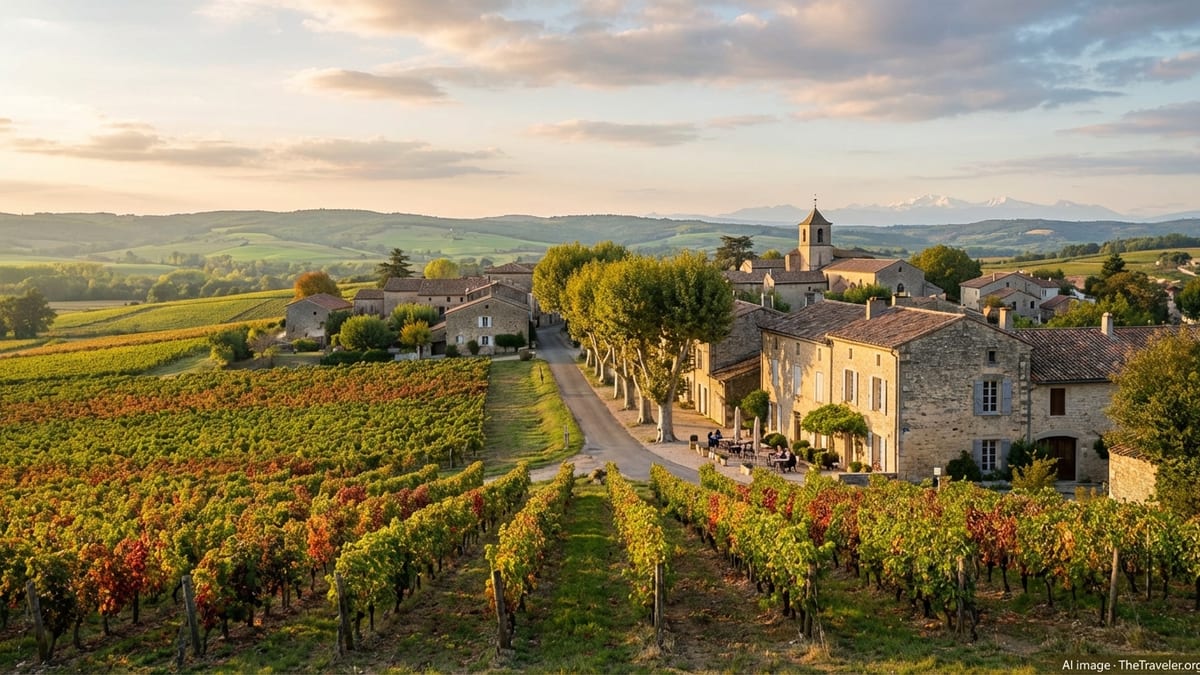
Autumn, from September through November, is arguably the most atmospheric time to visit much of France. September often offers a continuation of summer warmth with fewer visitors, making it ideal for city breaks and countryside touring alike. In the wine regions of Bordeaux, Burgundy, Champagne and the Loire, harvest activity unfolds in the vineyards, and many estates host tastings or special events. The light softens, days are still pleasant and evenings begin to cool, lending a cozy feel to restaurant terraces and village squares.
By October, cooler temperatures and changing leaves transform the landscapes of many regions, especially in the countryside and low mountains. The Loire châteaux, Alsatian villages and river valleys in southwestern France take on rich autumn colors. This is an excellent time for food-focused travel, as markets brim with seasonal produce, mushrooms, game and regional specialties. Coastal areas such as Provence and parts of the Riviera can remain warm enough for outdoor dining and even occasional beach visits well into autumn, but without peak-season congestion.
Travelers who value a slower pace, shorter queues and a more local atmosphere often single out autumn as their favorite season in France. Flight and hotel prices may soften compared with midsummer, particularly from mid-October onward, though popular events and wine festivals can still attract visitors. By November, daylight hours are shorter and conditions become more changeable, especially in the north and center, but cultural life in cities like Paris, Lyon and Marseille is in full swing with exhibitions, performances and new culinary menus.
Winter in France: Festive Cities and Mountain Snow
Winter in France, from December through February, offers a very different but equally appealing experience. In the north and much of the interior, temperatures are cold and days are short, yet cities remain lively. Paris in winter has a moody beauty, with early evening lights, quieter streets and a focus on indoor pleasures such as cafés, museums and theater. December brings festive decorations and holiday markets in many towns, especially in regions such as Alsace, where traditional Christmas markets are a major draw.
For travelers seeking snow sports, winter is the premier season to visit the French Alps and Pyrenees. Ski resorts usually operate from around December into spring, with conditions typically strongest from January through early March. Resorts range from well-known hubs favored by international visitors to smaller villages that attract mainly French families, giving travelers a wide choice of atmosphere and budget. Away from the slopes, mountain towns offer winter walking, spa facilities and scenic train rides.
Outside the mountains, winter is often the quietest and most budget-friendly period for visiting France, with some exceptions around Christmas and New Year. Hotel rates can be lower, and many popular sites are far less crowded than in summer. However, some smaller attractions, rural restaurants and seasonal businesses may close or keep limited hours, particularly in coastal or remote areas. Rain and overcast skies are more common, especially in the north and west, so packing warm layers, a good coat and waterproof footwear is essential.
Regional Highlights: When to Visit Key Parts of France
Because France encompasses such varied landscapes and climates, the best time to visit can differ by region. Paris and northern France are particularly appealing in spring and autumn, when parks are either in bloom or glowing with fall color and the weather is usually mild enough for long walks. Summer can be busy around major landmarks, but many visitors still enjoy the long evenings and outdoor events, while winter suits those focused on culture, dining and indoor attractions.
Along the Mediterranean, including Provence and the Côte d’Azur, late spring and early autumn strike a strong balance between warmth and manageable crowds. Lavender fields in inland Provence are usually at their most photogenic from late June into July, overlapping with the early part of the summer high season. Coastal cities such as Nice and Marseille see their peak beach weather in July and August, but shoulder-season months can be more comfortable for exploring markets, old towns and nearby villages.
Atlantic regions such as Brittany and Normandy benefit from late spring and summer, when coastal paths, historic sites and seaside towns are at their most inviting. Western France has a more maritime climate, so conditions can be breezy and changeable, but long days and outdoor dining compensate. In eastern regions including Alsace and Champagne, early autumn is especially attractive for vineyard scenery and harvest-related activities, while December draws visitors to some of Europe’s most atmospheric Christmas markets.
For mountain regions like the French Alps and Pyrenees, the year divides clearly between winter and the warmer months. Winter attracts skiers and snowboarders, while late spring through early autumn is excellent for hiking, road trips and time in alpine villages. Summer offers wildflower meadows and high-altitude trails, whereas early autumn brings clear air and fewer hikers. Travelers focused on outdoor sports should choose their dates based on whether they want snow or open mountain passes.
Planning Around Crowds, Costs and Events
Beyond weather, three practical factors shape the best time to visit France: crowd levels, budgets and major events. High summer and peak holiday periods see the greatest demand for flights, trains and accommodation, which usually translates into higher prices. If your schedule allows, consider traveling in shoulder months such as May, June, September or early October to benefit from more moderate pricing while still enjoying favorable conditions in most regions.
Crowds are most noticeable at headline attractions including major Paris museums, coastal hotspots and famous châteaux or wine estates. Visiting early or late in the day, avoiding weekend peaks and aiming for shoulder seasons can significantly improve your experience. Rural areas and smaller towns typically feel quieter year-round, though popular scenic regions such as the Dordogne, Provence and the Loire Valley do see more visitors in summer.
France’s cultural calendar runs throughout the year, with film, music and arts festivals, sporting events and regional celebrations. While exact dates change annually, late spring and early summer often bring outdoor festivals, while autumn aligns with wine harvest events and food fairs. In winter, Christmas markets, light displays and New Year celebrations add a festive atmosphere. When planning, it can be useful to check for major events in your chosen destination, as they can either be a highlight to embrace or a period to avoid if you prefer quieter streets and lower prices.
The Takeaway
There is no single best time to visit France, only the best time for the experience you have in mind. Spring and autumn generally offer the most comfortable blend of pleasant weather, moderate prices and manageable visitor numbers, making them reliable choices for first-time and return travelers alike. Summer rewards those who want long days and vibrant coastal scenes, while winter suits culture-focused city breaks and alpine sports.
As you refine your plans, think first about your priorities: beaches or museums, vineyards or ski slopes, festivals or quiet village squares. Then match those preferences to the season and region that serve them best. With a bit of seasonal strategy, France can feel tailor-made for your trip, whether you arrive among spring blossoms, autumn vines, winter lights or the height of summer sun.
FAQ
Q1. What is the overall best month to visit France?
Many travelers find May or September ideal, as these months usually combine mild weather, active cultural life and fewer crowds than peak summer.
Q2. Is summer too hot to visit France?
Summer can be hot, especially in the south and some inland cities during heatwaves, but coastal breezes and air-conditioned hotels help. Planning sightseeing for mornings and evenings makes conditions more comfortable.
Q3. When is the best time to visit Paris?
Paris is appealing year-round, but April to June and September to early November often provide the best mix of pleasant temperatures, manageable crowds and lively cultural events.
Q4. When should I visit for lavender fields in Provence?
Lavender typically reaches peak color from late June into July in much of inland Provence, though exact timing varies slightly by altitude and weather each year.
Q5. What is the best season for wine travel in France?
Early autumn, particularly September and early October, is excellent for wine regions like Bordeaux, Burgundy, Champagne and the Loire, when vineyards are active and landscapes are especially scenic.
Q6. Is winter a good time to visit France if I am not skiing?
Yes. Winter offers quieter cities, festive markets in December, and excellent museum and dining experiences. Just be prepared for shorter days, colder temperatures and some rain.
Q7. When is the cheapest time to travel to France?
Generally, the lowest prices appear in the off-season months from November to March, excluding the Christmas and New Year period and major events in specific cities.
Q8. Which season is best for the French Riviera?
Late May, June and September are often best for the Riviera, with warm temperatures and pleasant sea conditions but fewer peak-season crowds than in July and August.
Q9. Is autumn too rainy to enjoy France?
Autumn can bring showers, particularly in the north and west, but many days are still mild. With layers and a light rain jacket, you can comfortably enjoy cities, vineyards and countryside.
Q10. How far in advance should I book if I travel in high season?
For July and August or major holidays, it is wise to book flights and key accommodation several months ahead, especially for coastal resorts, popular cities and ski areas.