


More news on this day
Train services through one of east London’s busiest rail hubs were severely disrupted after a vegetation fire near Stratford station forced a temporary closure amid an “extreme” wildfire danger warning for the capital.
Get the latest news straight to your inbox!
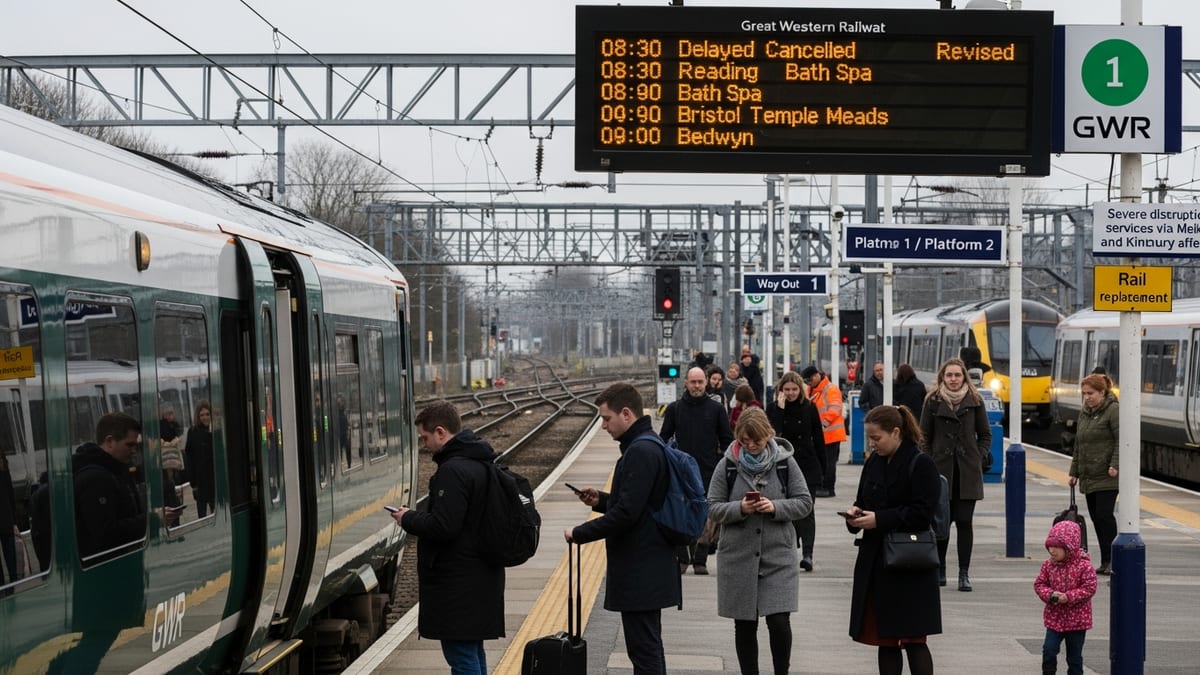
Fire Near Tracks Forces Rail Shutdown at Stratford
Publicly available updates from rail operators and social media reports indicate that services through Stratford in east London were halted after a fire broke out close to the station and railway tracks. A plume of smoke was visible from surrounding districts, prompting the suspension of some services and the diversion of others as a safety precaution.
Discussion threads on local community platforms describe passengers being asked to leave trains and platforms while firefighters tackled a blaze reported to involve shrubs and undergrowth beside the line. Network messaging pointed to a fire in the vicinity of the tracks, with safety checks required before services could safely resume.
Rail disruption affected both regional and London services using the busy interchange, which connects National Rail, London Overground, Elizabeth line and Underground routes. Passengers described extended delays and crowding as operators worked through backlogs once limited services restarted.
Initial information suggests that, while the incident generated significant disruption, there were no immediate reports of serious injuries. The primary impact fell on travel plans at the height of the evening period, underlining the vulnerability of major transport hubs to fires in adjacent lineside areas.
Incident Comes Amid “Extreme” Wildfire Risk Warnings
The fire occurred during a spell of hot, dry weather in London, with publicly available guidance from London Fire Brigade and the Met Office pointing to an “extreme” risk of wildfires across parts of the region. Forecasters have highlighted low humidity and parched vegetation as key factors increasing the likelihood of rapidly spreading grass and scrub fires.
Recent London Fire Brigade advisories have warned that extended periods of sunshine and high temperatures can turn railway embankments, parks and green spaces into potential flashpoints. Dry grass, discarded cigarettes and outdoor cooking are all cited in official campaigns as possible ignition sources when conditions are elevated to very high or extreme risk levels.
Across the United Kingdom, recent summers have seen a marked rise in grass and wildland fires, particularly on the urban fringe. Past incidents have affected transport corridors, including fires alongside mainline railways and roads, underscoring the way extreme heat events intersect with infrastructure and daily mobility.
Climate reports referenced by UK agencies note that hotter, drier spells are becoming more frequent, and that urban areas with extensive rail and road networks face specific challenges in preventing and managing lineside and verge fires.
Travel Disruption Highlights Vulnerability of Key Transport Hubs
Stratford’s role as a major interchange means that any incident near the station can have far-reaching effects on passenger flows across London and beyond. The station links regional services with the London Underground, London Overground and other high-capacity routes, making it a critical node in the city’s transport system.
According to publicly available data from transport planners, millions of journeys each month pass through the wider Stratford area, including commuters heading into central London and travelers transferring between rail and local bus networks. Even a short closure can trigger knock-on disruption as trains are held at signals, platforms become congested and timetables fall out of sync.
Similar incidents elsewhere in the UK have shown that lineside fires can have effects lasting well beyond the initial blaze, particularly if inspections are required to check overhead lines, signaling systems or trackside structures for heat damage. While early indications suggest the Stratford incident was contained relatively quickly, the disruption illustrates how vulnerable busy rail hubs are under extreme weather conditions.
Travel commentators have also noted the challenges for operators in communicating rapidly changing information to passengers, particularly when incidents are unfolding and access for staff is restricted by safety cordons.
Fire Services Prepare for Growing Wildfire Threat
London Fire Brigade has repeatedly highlighted the growing risk posed by wildfires and grass fires in and around the capital, particularly during heatwaves and prolonged dry spells. Public information from the brigade outlines investments in specialist equipment, including 4x4 vehicles designed to access rough terrain and firefighting tactics adapted from rural and international wildfire experience.
In recent years, London has experienced a series of high-profile grass and scrub fires that stretched resources across multiple boroughs. Data shared through the London Datastore and official climate assessments indicate that the number of such incidents can spike dramatically during short periods of intense heat.
Training exercises and planning documents show a focus on protecting transport infrastructure, utilities and residential areas at the edge of parks, woodlands and railway corridors. Scenario planning increasingly incorporates wildfire-style events, where multiple small incidents can break out simultaneously and spread rapidly, especially in gusty conditions.
Publicly available submissions from London Assembly committees have also drawn attention to the need for suitable protective equipment for firefighters and to the potential health impacts of repeated exposure to smoke and heat during back-to-back wildfire incidents.
Safety Messages for Travelers and Residents
The Stratford incident has renewed attention on the role of individuals in reducing wildfire risk during periods of extreme danger. London Fire Brigade campaigns and national fire safety messages consistently urge people to avoid disposable barbecues in parks and on balconies, to properly extinguish cigarettes and to refrain from lighting bonfires when conditions are hot and dry.
Rail passengers are routinely advised to follow staff instructions, leave trains promptly when asked to do so and avoid entering restricted areas near the tracks. In the case of smoke near a station, public guidance emphasizes moving away from the affected zone, using alternative exits where directed and checking with operators before beginning a journey.
Residents living near railway lines and open spaces are encouraged in public advice to report any signs of fire immediately and to keep access routes clear for emergency vehicles. Where smoke drifts over homes, guidance typically recommends closing windows and doors until conditions improve.
As temperatures climb and wildfire risk intensifies, London’s latest rail disruption near Stratford serves as a reminder that minor ignition sources can have major impacts when they occur close to critical infrastructure, and that collective caution is vital to keeping the city moving safely.