


More news on this day
American travelers in France are being urged to exercise increased caution after the U.S. Embassy in Paris issued new security alerts linked to nationwide protests, student demonstrations and a multi sector strike that is disrupting transport and raising concerns about potential violence in several French cities.
Get the latest news straight to your inbox!
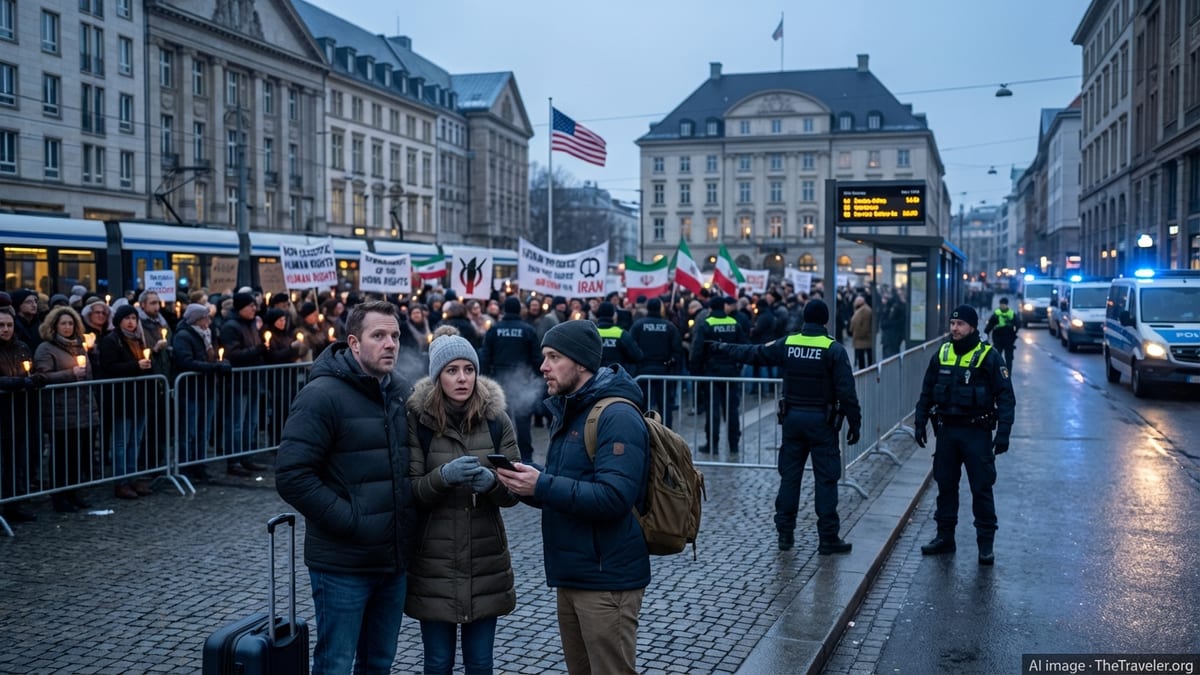
Embassy Alert Highlights Rising Unrest and Travel Disruption
Publicly available information from the U.S. State Department shows that France remains under a Level 2 “Exercise increased caution” advisory, but recent embassy messages have singled out domestic unrest as a growing concern. A security alert from the U.S. Embassy in Paris referenced large demonstrations, incidents of rioting in some areas, and the introduction of partial curfews in certain localities after previous protest days escalated.
According to published coverage of the most recent alert, U.S. citizens in France were advised to avoid demonstration areas, monitor local media and be prepared for sudden transport disruption as unions called a nationwide, multi sector strike for Thursday, November 5, 2026. The warning emphasized that even protests advertised as peaceful can quickly change character, particularly after dark or when fringe groups join larger marches.
The embassy alert follows several weeks of student led protests over education and cost of living that have expanded into broader anti government rallies in Paris, Marseille, Lyon, Toulouse, Nantes and Strasbourg. International reporting indicates that clashes between small groups of demonstrators and police in parts of Paris in October, including on Boulevard Saint Germain, helped spur foreign missions to sharpen their travel messaging.
Other governments have issued parallel notices. Recent updates from the United Kingdom, Canada, Ireland, Australia and Germany advise their nationals that further protest days and strikes are expected through November, some involving multiple unions across transport and public services. While the language and threat levels differ, these advisories collectively describe an elevated risk of disruption in major French cities.
Where Protests Are Concentrated and What Travelers Are Seeing
Reports from European and North American outlets describe a pattern of large, organized marches converging on central Paris and other city centers, often during afternoons and early evenings. In the capital, demonstration routes have frequently involved Place de la République, Place de la Bastille, Place de la Nation and major east west boulevards on the Right Bank. On some days, authorities have closed bridges or diverted traffic to keep crowds away from sensitive areas.
Regional cities have seen their own large gatherings. Coverage from Marseille, Lyon, Nantes and Toulouse notes marches that draw tens of thousands of participants, occasionally followed by isolated incidents of vandalism or clashes when smaller groups remain on the streets after the main events disperse. In late October, nationwide protest days were accompanied by scattered rioting that included vehicle fires and damage to shopfronts in a handful of neighborhoods.
Despite dramatic footage circulating on international television and social media, a wide range of on the ground accounts from travelers and local tourism operators indicate that most visitor districts remain accessible outside of demonstration times. Museums, restaurants, and hotels in central Paris have largely continued operating, though some attractions have temporarily closed on specific days for security reasons or to allow staff to join strikes.
Foreign travel advisories emphasize that protest locations and intensity can shift with limited notice as new calls to march are shared online. Visitors are therefore being encouraged to check local news bulletins and municipal social media channels each morning, and to ask hotels or rental hosts whether gatherings are planned along usual sightseeing routes.
Nationwide Strike Brings Rail and Metro Disruptions
The November 5 nationwide strike has emerged as a focal point of the latest U.S. Embassy warning. Union confederations representing rail workers, metro staff, teachers, some health care workers and public sector employees called for a coordinated stoppage to demand wage increases and additional funding for schools and public services. Advance notices filed with French authorities and transport operators signal significant disruption on both national and regional lines.
According to reports citing the state rail operator SNCF, long distance TGV and Intercités services are running on a reduced timetable, with some routes cut entirely and others operating with limited trains per day. Regional TER services have seen heavier cancellations in several regions, complicating day trips from major cities and commutes within metropolitan areas.
In the Paris region, publicly available schedules from RATP and SNCF Transilien show reduced frequency on several Metro and RER lines, with particular pressure during peak hours. Travelers connecting to or from Paris Charles de Gaulle and Orly airports are being advised to allow extra time, confirm whether their specific train or shuttle is operating and consider backup options such as airport buses or licensed taxis if rail links are interrupted.
Labor action has also affected some tram and bus services, though levels of disruption vary by city. International travel media note that while French airports remain open, strikes among ground staff or air traffic personnel on certain days have resulted in delays, isolated cancellations and lengthy queues at security and check in, adding another layer of uncertainty for visitors moving through France.
Safety Guidance for U.S. Travelers on the Ground
Security guidance issued to U.S. citizens emphasizes situational awareness over alarm. The State Department’s general advice for France highlights the importance of staying away from any active protest, march route or gathering that appears tense, and recommends moving to a safe indoor location if demonstrations develop unexpectedly nearby.
Travel risk bulletins compiled by universities and corporate security providers in late October and early November stress that many incidents of vandalism or confrontations with police occur on the periphery of otherwise peaceful marches or late at night after official events have ended. These analyses recommend that foreign visitors avoid lingering near protest sites in the evening, refrain from photographing or filming confrontations and follow police instructions if streets are being cleared.
For Americans who have already arrived in France, publicly available guidance from the U.S. government encourages registration with the Smart Traveler Enrollment Program, which provides email or text updates when new alerts are issued for the country. Travelers are also urged to keep identification with them at all times, carry the contact details of the nearest U.S. embassy or consulate, and ensure that mobile phones remain charged in case routes are diverted or public transport is shut down unexpectedly.
Standard precautions against petty crime remain relevant around demonstration areas, where crowded conditions can increase the risk of pickpocketing. Official and third party advisories alike recommend keeping valuables secure, avoiding the display of expensive items in dense crowds and using ATMs in well lit locations away from protest routes.
How the Unrest Is Affecting Upcoming Trips
Travel industry reports indicate that tour operators and educational travel providers have been closely monitoring the situation, but most have not canceled France programs outright. Instead, many are adjusting itineraries to avoid known protest hubs, scheduling museum visits and walking tours on quieter days and allowing more flexibility for last minute changes when new strike calls are announced.
Travel agencies and airlines are publishing updated change policies when major strike days are confirmed, sometimes offering fee waivers for passengers who wish to switch departure dates or times. However, most carriers continue to operate a large share of flights into and out of France, and international trains such as some high speed services between France and neighboring countries are still running on modified timetables.
For individual travelers planning imminent trips, official foreign office advisories from several countries currently stop short of recommending that tourists postpone visits to France. Instead, the emphasis is on careful planning: checking booked train and flight numbers against strike timetables, building extra time into connections and selecting accommodation away from major protest gathering points if spending nights in central Paris.
With additional marches and strike actions already announced for later in November, conditions for travelers are likely to remain fluid. Publicly available guidance from diplomatic missions and foreign ministries underscores that Americans and other foreign visitors can continue to visit France, but with an expectation of intermittent disruption, visible demonstrations and a need to follow security updates more closely than usual.