


More news on this day
Primary inspection kiosks used for border screening at Toronto Pearson International Airport are back online after a system outage that led to lengthy customs delays and forced some arriving passengers to remain on aircraft while congestion cleared.
Get the latest news straight to your inbox!
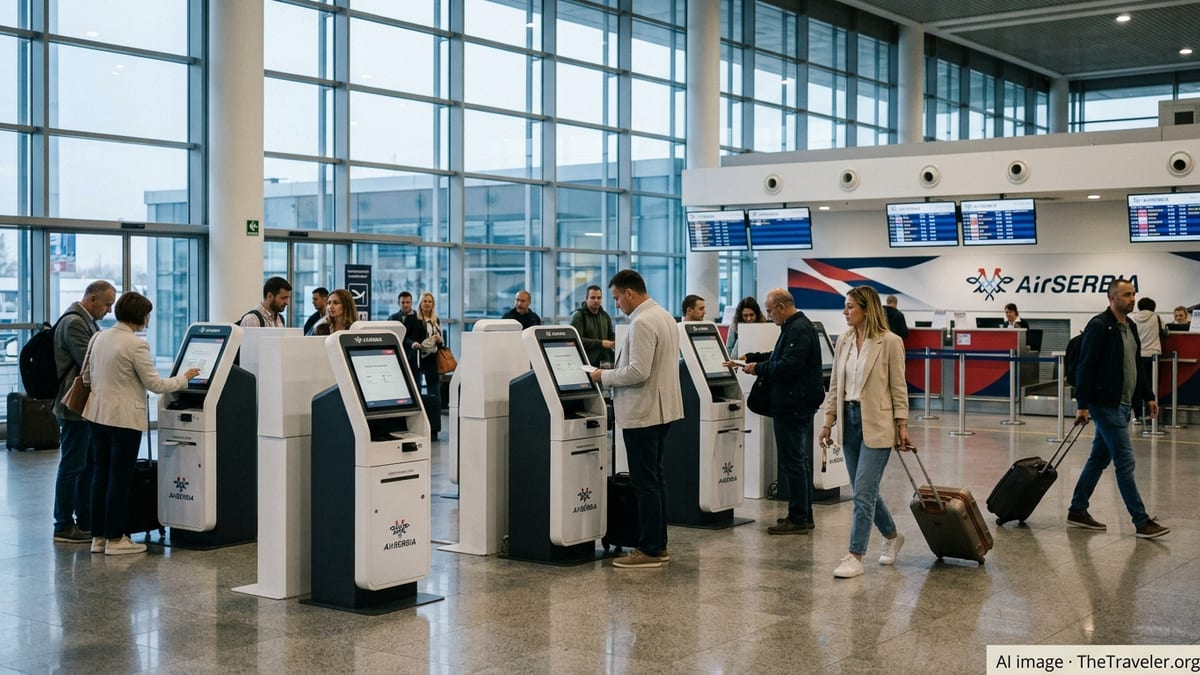
Outage disrupts arrivals and fuels lengthy delays
Publicly available information indicates that a recent outage affecting Canada Border Services Agency primary inspection kiosks caused significant disruption for international arrivals at Toronto Pearson, particularly in Terminals 1 and 3. The kiosks, which normally handle identity verification and customs declarations for most incoming passengers, were unavailable for several hours, reducing processing capacity in the customs halls.
Reports shared by travellers on social platforms describe waits of two to four hours to clear customs and extended periods sitting on parked aircraft while terminal congestion eased. With automated kiosks offline, arriving passengers were reportedly funneled into traditional primary inspection lines for manual processing, sharply reducing throughput and creating visible bottlenecks across the arrivals operation.
According to accounts compiled by local travel communities, airport staff used so‑called metering tactics, allowing only a limited number of passengers to disembark at a time to prevent customs halls from reaching unsafe crowd levels. While this approach helped manage congestion within the terminal, it shifted a portion of the wait onto aircraft, complicating schedules for onward connections.
Kiosks restored and customs processing stabilizes
Coverage summarizing the disruption indicates that the border inspection kiosks have since been restored to service at Toronto Pearson and other affected Canadian airports. Once the Canada Border Services Agency systems were brought back online, the primary inspection kiosks and eGates resumed processing arriving travellers, gradually easing the pressure on manual inspection lines.
Experience from similar outages suggests that even after systems are restored, residual delays often persist as terminals work through accumulated backlogs of international arrivals. Travellers landing shortly after the fix may still have encountered longer than typical waits as customs halls cleared passengers whose flights arrived during the outage window.
Travel forums tracking the incident note that wait times have generally shortened as kiosk availability returned and staffing levels were adjusted to match demand. As processing flows normalized, aircraft metering was reduced, and passengers were able to disembark more promptly after arrival at gates at both terminals.
Role of primary inspection kiosks in Pearson’s border process
Primary inspection kiosks form a central part of the international arrivals experience at Toronto Pearson. The customs and immigration guidance on the airport’s website explains that travellers arriving from international destinations can normally use kiosks or eGates to confirm their identity and submit digital customs declarations before presenting themselves to border services officers for final clearance. This approach reduces the amount of time spent in direct processing and has been a key element of modernization efforts over the past several years.
The kiosks, located in the arrivals halls of Terminals 1 and 3, are designed to process individuals and small groups traveling together, capturing document details and photographs and printing receipts that are then checked by officers. When functioning normally, this system allows a large volume of passengers to move through customs more efficiently, limiting congestion during peak times and improving connection reliability for onward flights.
Outage protocols described by the border agency indicate that when kiosks are unavailable, passengers are redirected into manual primary inspection lines. This contingency keeps border screening in operation but adds considerable processing time, especially during busy international arrival banks. The recent disruption at Toronto Pearson highlighted the system’s reliance on kiosk availability and the operational challenges that arise when digital tools are suddenly removed from the flow.
Guidance for travellers connecting through Toronto Pearson
Travelers with upcoming international arrivals into Toronto Pearson are not currently facing the severe delays seen during the outage, but recent events offer useful lessons for planning. Official customs guidance recommends allowing additional time for connections that require clearing Canadian border controls, particularly during peak travel periods when any slowdown can quickly translate into long lines.
For those arriving from abroad and connecting onward within Canada or to the United States, publicly available airport information encourages checking minimum connection times with airlines and considering longer layovers when possible. Digital tools such as mobile customs and immigration applications, where available, and advance completion of travel declarations can also help reduce processing time once at the border.
Frequent travelers may benefit from trusted traveller programs such as NEXUS or Global Entry, which can provide access to dedicated lanes and some automated processing options where facilities permit. However, the recent kiosk outage shows that even premium and expedited pathways can be affected by broad system disruptions, making buffer time and flexible planning important for all passengers.
Modernization and resilience remain in focus
Strategic documents from the Greater Toronto Airports Authority and the Canada Border Services Agency indicate that modernizing and strengthening the resilience of border processing technology remain ongoing priorities. Projects focused on reconfiguring customs halls, expanding kiosk deployments, and introducing digital travel credentials aim to make the system both faster and more robust in the face of technical issues.
Recent federal fact sheets on IT investments note that outage protocols for primary inspection kiosks have been reviewed with border operations and airport partners to support business continuity at the border. These materials describe efforts to improve monitoring of kiosk systems, enable limited offline operation in certain scenarios, and streamline incident reporting when disruptions occur.
For international passengers, the return of kiosks to normal operation at Toronto Pearson restores a key element of the arrivals journey. While the latest outage served as a reminder of how quickly delays can build when digital tools fail, it also underlined the importance of ongoing technology upgrades and contingency planning to keep one of Canada’s busiest gateways moving.
Canada Border Services Agency: Airport kiosks and eGates overview
Toronto Pearson: Customs and immigration information
CBSA fact sheets on recent IT outages and continuity measures
News coverage: Border inspection kiosk outage resolved after delays