


More news on this day
Saul “Canelo” Álvarez has arrived in Riyadh ahead of his Oct. 31 world title fight, touching down in Saudi Arabia just as the United States issues a new security alert and orders some diplomatic staff to leave the country.
Get the latest news straight to your inbox!
Boxing’s biggest star lands in a tense Riyadh
Mexican star Saul “Canelo” Álvarez flew into the Saudi capital on October 26, according to regional sports coverage, stepping off the plane with his team less than a week before his scheduled WBC super middleweight title bout against Christian Mbilli on October 31. Reports indicate he told media on arrival that he felt rested and ready after his final training sessions abroad.
The bout, part of the Saudi entertainment showcase known as Riyadh Season, is due to take place at a purpose-built arena in the city and will be broadcast globally on pay-per-view streaming platforms. Ticketing and promotional material list a Saturday night local start time, with main-event ring walks expected in the early hours of Sunday morning for viewers in parts of Europe and late evening on Saturday for much of the Americas.
The Alvarez Mbilli contest is the final fight in a four bout agreement Álvarez signed with the Riyadh Season organizers covering events from 2025 to late 2026. The deal has helped establish Saudi Arabia as one of world boxing’s most active high budget stages, bringing repeated visits from elite fighters and generating significant interest among traveling fans.
Álvarez’s arrival, and images of him training in Riyadh gyms, underline the determination of both the fighter and local organizers to proceed with the event despite the most serious security-related disruption to travel into Saudi Arabia in several years.
New US advisory raises “reconsider travel” warning
While boxing fans focus on the spectacle in the ring, American travelers are weighing fresh government warnings about the security environment in Saudi Arabia. On October 23, 2026, the US Department of State updated its standing advisory for the kingdom, keeping Saudi Arabia at Level 3, which urges US citizens to reconsider travel, and ordering non emergency US government employees and their family members to depart the country.
The advisory cites ongoing risks from missile and drone attacks carried out by Yemen based Houthi forces and other groups aligned with Iran. Public information from recent security alerts notes that these attacks have included strikes on civilian airports and other infrastructure, resulting in deaths, injuries and extended flight disruptions.
Alongside the country specific advisory, Americans are also subject to a separate worldwide caution issued in July 2026, which asks US citizens to exercise increased vigilance while overseas due to a heightened threat of terrorism and other security concerns. Together, these notices are shaping how many US based boxing fans approach travel to Riyadh for the Alvarez Mbilli card and for other major events in the coming weeks.
The State Department guidance does not bar private citizens from entering Saudi Arabia, but it urges careful review of the advisory before travel, avoidance of areas near the Yemen border and close monitoring of official security alerts. It also highlights that US government assistance may be limited in some regions of the country, particularly if new attacks target transport hubs.
Airport attacks and disrupted air links test event planning
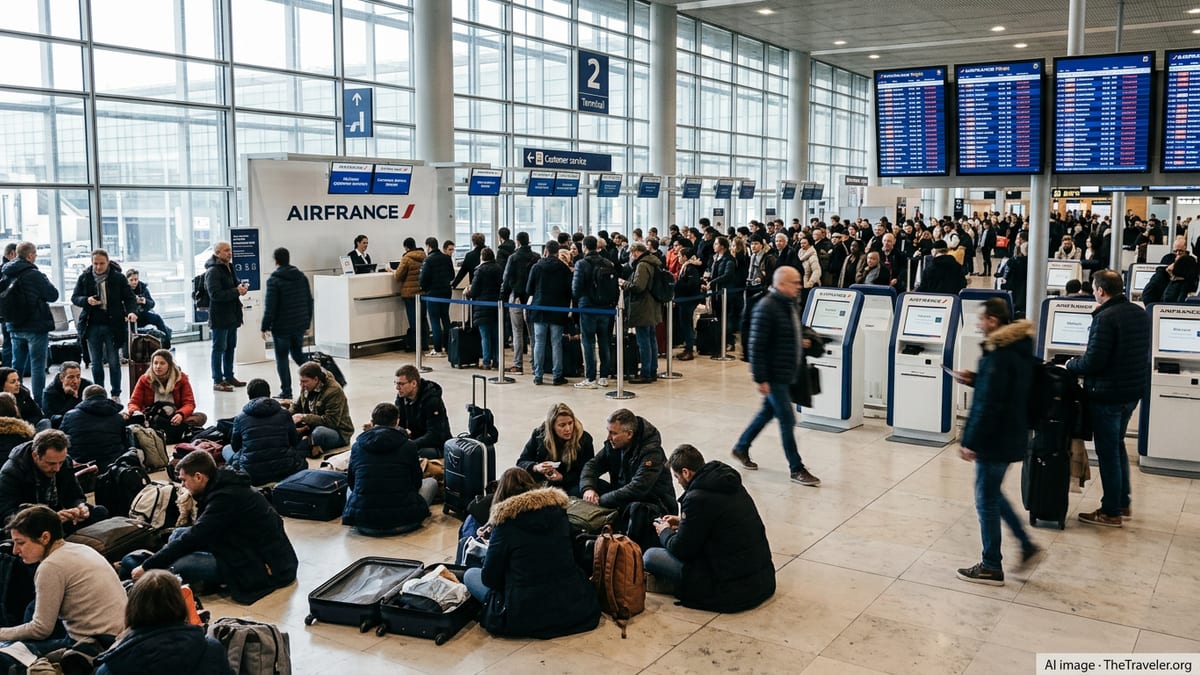
The stepped up advisory follows a series of missile and drone strikes on Saudi targets that have drawn international attention. Earlier in October, projectiles hit Riyadh’s main international airport, with global news outlets reporting multiple fatalities, hundreds of injuries and extensive damage to parts of the facility. Air traffic to and from the capital was temporarily reduced as inspections and repairs were carried out.
Coverage from regional media and wire services indicates that restrictions on flights in and out of Riyadh have eased in the days before Álvarez’s arrival, allowing limited commercial schedules to resume. However, the possibility of further strikes and temporary closures remains a central concern for airlines, event promoters and traveling spectators.
Some boxing reporters and fan forums describe would be attendees reshaping their travel plans to lower perceived risks. Examples include routing flights through neighboring Gulf hubs and, in some cases, flying into nearby countries and continuing overland to Saudi Arabia if airspace conditions change at short notice. These workarounds reflect uncertainty more than any formal closure, but they add time, cost and complexity to reaching Riyadh for fight week.
Event planners are also facing tighter rules for official travel. Publicly available information on the new State Department alert notes that US government employees require high level authorization to use Saudi airports or domestic flights in the current environment, underscoring the seriousness with which Washington views the threat to aviation and associated infrastructure.
Riyadh Season presses ahead with global events
Despite the security backdrop, Saudi organizers continue to promote Riyadh Season as a centerpiece of the country’s bid to draw tourists and position the capital as a hub for large scale sporting and entertainment events. The Alvarez Mbilli title fight sits on a crowded calendar that has recently included major combat sports cards, football exhibitions and concerts.
Riyadh Season programming typically clusters headline attractions into the cooler months from October to March, encouraging visitors to combine a single event with broader stays in the city’s new leisure districts. The decision to maintain the October 31 fight date, even after the airport attack, is being presented in local coverage as a sign of confidence in security measures and in the city’s ability to host high profile gatherings under heightened precautions.
For Álvarez, the Mbilli fight not only concludes his Saudi based contract but also offers a chance to reclaim momentum after a high profile loss in 2025. For Mbilli, an undefeated titleholder, the bout is framed in international boxing coverage as an opportunity to cement his status against one of the era’s defining champions. Both men have continued media obligations in Riyadh this week, from open workouts to press conferences, though schedules may be adjusted if any new security developments affect public events.
Broadcasters and sponsors are proceeding with international marketing, emphasizing the star power of the main event and the broader card rather than the security situation. At the same time, travel advisories and recent news about attacks feature prominently in coverage aimed at fans weighing whether to travel or watch from home.
What the new alert means for US fans heading to the fight
For US citizens planning to attend Canelo Mbilli in person, the updated State Department advisory has several practical implications. The Level 3 rating signals that travelers should be prepared to change or cancel plans if the security picture deteriorates, and that additional insurance, contingency funds and flexible bookings may be prudent.
Public guidance from US consular services encourages travelers to enroll in the Smart Traveler Enrollment Program before departure so they can receive real time alerts and so consular staff can better assist in an emergency. It also recommends maintaining low profiles in public, avoiding demonstrations and monitoring local news for any signs of unrest or new attacks that might affect transport or large gatherings.
Air travel logistics are another key consideration. Recent airport closures and reduced flight schedules suggest that fans heading to the fight should closely track their airlines’ operational updates and have back up routings where possible. Some carriers may temporarily shift services to other Saudi airports or adjust departure times at short notice if security conditions change.
Accommodation and movement within Riyadh appear to be operating largely as normal in the run up to the bout, according to hotel listings and local reporting, though additional security checks around the event venue and major fan zones are expected. For many travelers, the decision now rests on individual risk tolerance, the flexibility of their travel arrangements and the strength of their desire to witness one of boxing’s marquee events live, against a backdrop of geopolitical tension that is impossible to ignore.