


More news on this day
Mexican boxing star Canelo Álvarez has arrived in Riyadh for his October 31 title fight, touching down in Saudi Arabia just days after the United States tightened its travel advisory for the kingdom and ordered some government staff and families to depart.
Get the latest news straight to your inbox!
Superstar’s early arrival keeps Riyadh fight night on track
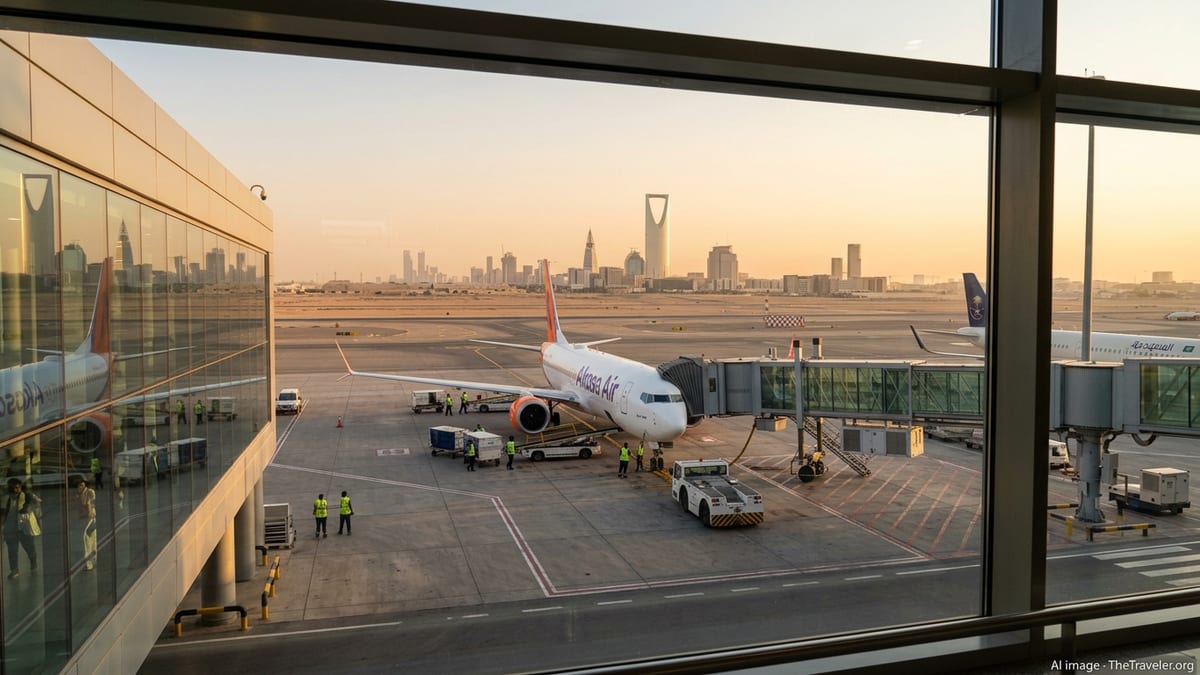
Published coverage from boxing outlets indicates that Álvarez landed in the Saudi capital over the weekend, joining heavyweight champion Oleksandr Usyk and other fighters already in the country for Riyadh Season events. Video released by broadcasters and event organizers shows Álvarez arriving at King Khalid International Airport before the official “fight week” schedule begins.
The 34 year old is headlining the “Mexico vs The World” card on October 31, where he is scheduled to challenge Christian Mbilli for the WBC super middleweight title at a new arena in Riyadh known simply as The Venue. Reports indicate that all three main bouts on the card remain confirmed, and tickets went on sale earlier in October.
Riyadh Season, the Saudi entertainment festival that has become a major stage for global combat sports, has already hosted heavyweight title fights and mixed martial arts shows. While some sports events have recently been postponed or cancelled, regional sports media note that Álvarez’s bout is still listed as proceeding on the original date.
US raises Saudi advisory and orders some staff to leave
Álvarez’s arrival coincides with a sharp change in official US guidance on travel to Saudi Arabia. On October 23, 2026, the US Department of State updated its country advisory for Saudi Arabia and raised it to Level 3, Reconsider Travel, citing risks from drone and missile targeting of American interests, armed conflict, terrorism, exit bans and local laws.
According to the advisory, non emergency US government employees and family members have been ordered to leave Saudi Arabia, reflecting concerns over recent attacks attributed to Iranian supported Houthi forces and broader regional tensions. Separate reporting from international news agencies describes strikes on civilian airports and other infrastructure that have caused casualties and disrupted air traffic.
The Saudi advisory sits alongside a worldwide caution issued earlier in 2026, which urges Americans abroad to exercise increased vigilance, monitor local developments and review security information before and during trips. The specific Saudi notice adds detailed guidance on areas near the Yemen border and selected provinces where travel is restricted or requires special authorization for US government personnel.
What the advisory means for US travelers heading to Riyadh
The State Department advisory does not impose a ban on private US citizens traveling to Saudi Arabia, but it signals that conditions have become less predictable and that US government assistance may be limited in a crisis. Publicly available guidance stresses that travelers should be prepared to leave using commercial options if circumstances deteriorate, without relying on organized evacuation.
For Americans planning to attend Álvarez’s fight in Riyadh, official information recommends closely tracking airline notices and local news for any disruption at King Khalid International Airport or regional hubs. Recent security alerts referenced in media coverage have pointed to risks of further attacks on aviation and other critical sites, which could affect flight schedules at short notice.
The advisory also reiterates longer standing concerns about terrorism and security incidents in public places. Travelers are urged to stay alert in large crowds, entertainment districts and event venues, and to have a personal contingency plan that includes how to reach the airport, maintain communication and access funds if electronic services are temporarily interrupted.
Riyadh’s sports calendar adjusts under security spotlight
Despite the heightened alert, Saudi Arabia continues to pursue a busy international sports program. Riyadh Season cards featuring boxing, mixed martial arts and professional wrestling remain on the calendar, though some other high profile events have been rescheduled. Sports business coverage notes that an exhibition tennis tournament involving leading players was pushed back to late December, with organizers citing organizational and logistical reasons.
By contrast, boxing events such as Álvarez versus Mbilli are still being promoted as planned, underscoring the kingdom’s determination to keep flagship fights in place even as foreign governments revise their guidance. Industry analysts point out that long term contracts, sponsorship deals and broadcast commitments make last minute cancellations costly, placing commercial pressure on promoters and host cities to proceed where possible.
For international visitors, this creates a contrasting picture: marquee events are moving ahead in Riyadh, but they are now taking place against a backdrop of more cautious travel advice from key source markets such as the United States. Travelers weighing whether to attend are being encouraged, in public guidance, to assess their own risk tolerance and to stay informed about any new alerts through official channels.
Balancing big fight tourism with evolving risk
The juxtaposition of Álvarez’s high profile arrival and the tightened US advisory highlights how rapidly conditions can shift for sports tourism in the Gulf. Boxing fans from North America and Europe have grown accustomed to flying in for single weekend events, but the current security environment around Saudi Arabia introduces new variables that trip planners need to factor in.
Travel information resources recommend that anyone considering a visit to Riyadh for the October 31 card review their airline’s change and cancellation policies, ensure they have medical and evacuation coverage that is valid in Saudi Arabia, and keep copies of important documents both digitally and in print. Travelers are also advised to register their trip with their home government, where such services exist, so they can receive security updates while in the country.
As Álvarez settles into final preparations for his title challenge, the focus inside the ring remains on boxing’s biggest name chasing another belt. Outside the arena, though, the fight week narrative now also includes questions about risk, resilience and how fans and organizers adapt when elite sport and geopolitics intersect in the same city.