


More news on this day
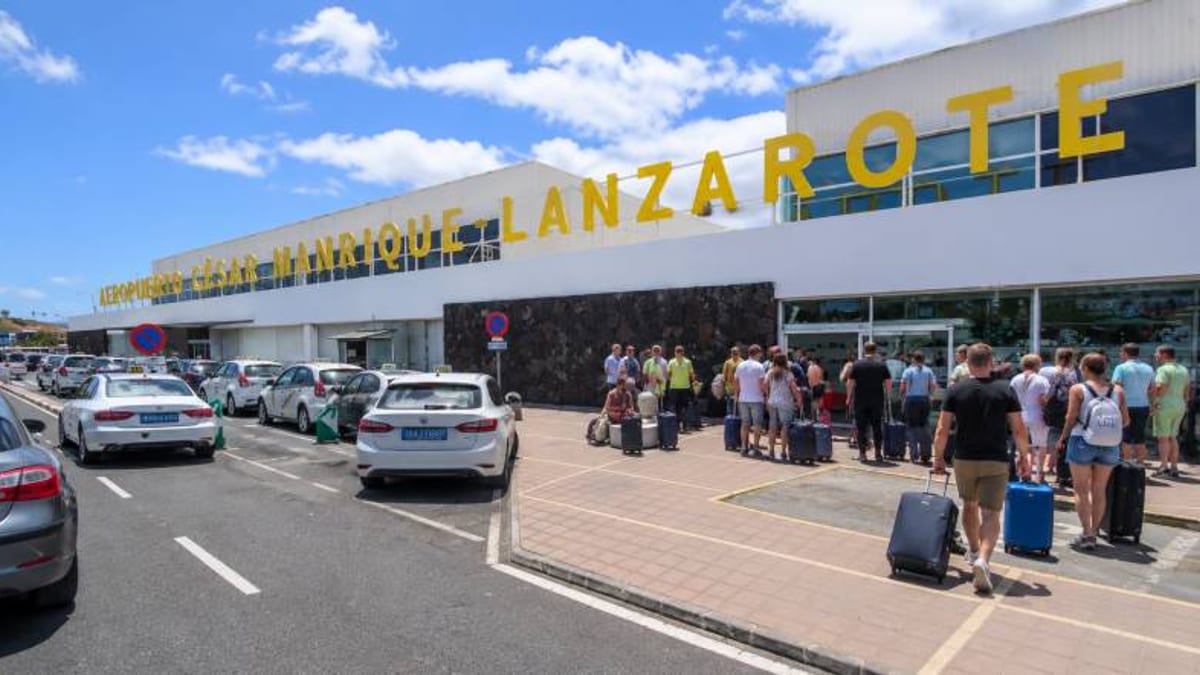
Dozens of holidaymakers were left stranded at Lanzarote’s César Manrique Airport this week after a breakdown in the automated border system prevented many from reaching their departure gates in time, highlighting growing strains in Europe’s shift to digital passport checks.
Get the latest news straight to your inbox!
Border system failure triggers missed flights
According to Spanish regional coverage, the disruption unfolded on Monday morning when the automated passport control system for non EU departures at César Manrique Airport suffered a technical failure. Reports indicate that manual processing could not keep pace with outbound traffic, creating long queues at border control while boarding times for several flights approached.
Murcia based outlet Murcia Today described scenes of confusion as passengers bound for the United Kingdom and other non Schengen destinations waited to clear exit checks, only to learn that their aircraft were preparing to depart with seats still empty. Early accounts suggest that dozens of passengers who had arrived at the airport well in advance of departure ultimately missed their flights after becoming stuck at passport control.
Travel focused analysis published on European aviation and consumer platforms characterises the problem as a malfunction in border IT infrastructure rather than a security incident. The failure reportedly affected the automated gates and associated systems used to verify travel documents, leaving border staff to fall back on slower manual checks at a time of high morning demand.
Publicly available information indicates that flights themselves continued to operate, but with a reduced number of ticketed passengers on board for some services. This has sharpened debate over where responsibility lies when state operated border technology fails in ways that directly affect airline customers who have complied with check in and airport arrival guidance.
Edinburgh bound holidaymakers among those left behind
Coverage from Scottish and Canary Islands news sources highlights a Ryanair service to Edinburgh as one of the flights most heavily affected by the Lanzarote disruption. Reports indicate that nearly 70 passengers booked on the route were unable to reach the gate in time after being caught in the bottleneck at passport control.
Accounts shared with regional media describe families and groups who had arrived at the airport hours before departure, only to watch the departure time pass while still in border queues. With limited later services between Lanzarote and Scotland, some travellers reportedly faced unexpected overnight stays, rebooking expenses and uncertainty over whether any costs might be recoverable.
Consumer advocates quoted in wider European coverage note that standard passenger compensation rules generally focus on delays or cancellations that are within an airline’s direct control. In this case, publicly available information frames the primary cause as a failure within the state managed border system, leaving affected passengers in a complex position when seeking refunds or alternative travel at short notice.
Online discussion in Scottish travel forums and social channels has since turned to practical advice, with some users urging future passengers to allow additional time at Lanzarote for outbound border checks, especially on busy days or for flights to the United Kingdom and other destinations outside the European Union.
Part of a wider pattern of border queue disruption
The Lanzarote incident is the latest in a series of reports from across Europe of long queues and missed flights linked to new automated border and biometric systems. Recent coverage from Milan’s Linate Airport describes passengers for a Manchester bound flight spending several hours in border control lines, with some left behind despite arriving at the terminal in what had previously been considered ample time.
Separate reporting from French and Spanish airports points to similar pinch points as the European Union’s updated Entry Exit System is introduced and refined. At busy leisure gateways that serve large numbers of British and other non EU visitors, such as Tenerife South, Málaga and Alicante, travellers have described waits of more than an hour at peak times as staff and systems adjust to new requirements.
Analysts writing in aviation industry publications argue that island destinations are particularly exposed because travellers often have fewer alternative routes if a departure is missed. In Lanzarote’s case, many flights to UK regional airports operate only a few times each week, meaning that even short lived border disruption can cascade into extended delays, additional accommodation costs and lost holiday time for affected passengers.
Local tourism representatives in the Canary Islands have previously warned that repeated episodes of airport congestion risk damaging the islands’ reputation as convenient short haul destinations for Northern European visitors. The latest breakdown in Lanzarote is likely to add to pressure on national and regional authorities to demonstrate that digital border controls can function reliably during the approaching summer peak.
Questions over accountability and passenger rights
The events at Lanzarote have also reignited debate over who should bear responsibility when travellers miss flights due to issues at state run checkpoints rather than airline or airport shortcomings. Under European passenger rights frameworks, many compensation mechanisms are triggered when flights are cancelled or heavily delayed for reasons within the airline’s control, such as technical faults or crew shortages.
Legal analysts quoted in consumer focused coverage note that when border systems fail, the situation often falls into a grey area. Airlines may argue that they operated the flight as scheduled and that passengers were not present at the gate by the required time, even if those passengers were unable to reach the gate because of border congestion or technical failures.
Travel rights organisations are using the Lanzarote breakdown as a case study to call for clearer rules that reflect the growing role of digital infrastructure in determining whether passengers can complete their journeys. Proposals discussed in specialist publications include stronger protocols for communication between border agencies and airlines, and clearer guidance on when carriers should delay departure in order to accommodate passengers delayed by systemic problems in state operations.
For now, publicly available information suggests that affected Lanzarote passengers are piecing together their own remedies, from travel insurance claims to formal complaints submitted to airlines and national authorities. Outcomes may vary widely depending on individual policies and local interpretations of existing regulations.
Advice for travellers heading to Lanzarote and beyond
With the main summer season approaching, travel commentators suggest that the airport chaos in Lanzarote offers a timely reminder for passengers to build additional time into their journeys where possible. Recent guidance from some airlines and tour operators already recommends arriving at Spanish holiday airports at least three hours before departure, particularly for flights to the United Kingdom and other non EU destinations subject to more intensive checks.
Industry observers also emphasise the importance of staying alert to airport specific advice in the days before travel. In previous episodes of disruption at Lanzarote and other Canary Island airports, operators have used social channels, email notifications and airport announcements to warn of longer than usual border processing times or to advise passengers to proceed directly to passport control after security.
For travellers who do encounter serious delays, specialists recommend documenting queue times, keeping records of any additional expenses and retaining boarding passes or check in confirmations. These details can be useful when submitting complaints to airlines, airports, border authorities or insurers, even in cases where formal compensation rights are unclear.
While operations at César Manrique Airport are reported to have returned to normal following the border system crash, the incident has underlined how quickly a technical fault in digital infrastructure can cascade into widespread disruption for passengers. As European airports continue to roll out and refine new border technologies, the experience in Lanzarote is likely to remain a reference point in discussions about resilience, accountability and the passenger experience.