


More news on this day
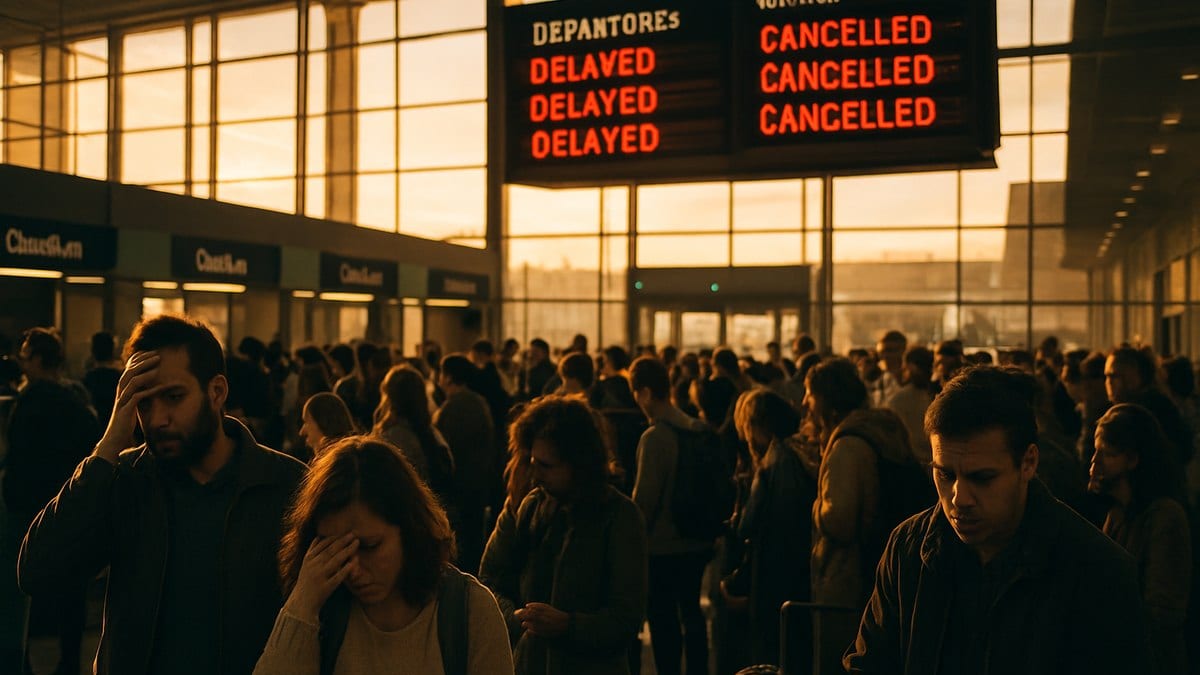
Hundreds of passengers were left in limbo at Nairobi’s Jomo Kenyatta International Airport in early May 2026 after a sudden pilot strike disrupted flight operations at one of Africa’s busiest aviation hubs.
Get the latest news straight to your inbox!
Flights Delayed and Canceled as Industrial Action Bites
Reports from Nairobi indicate that a coordinated work stoppage by pilots serving routes in and out of Jomo Kenyatta International Airport led to widespread disruption across the network. Departures and arrivals were delayed for hours, while a growing number of flights were canceled outright as airlines struggled to secure qualified crews.
Publicly available coverage from local outlets described long lines at check in counters, crowded waiting areas and departure boards dominated by delay notices. Ground staff were reported to be rebooking passengers on later services where possible, but limited spare capacity during the busy May travel period meant many travelers faced overnight waits or uncertain timelines for continuing their journeys.
Airlines operating through JKIA, including Kenya Airways and several regional carriers, issued advisories urging passengers to monitor flight status closely and arrive early at the airport. Some carriers consolidated services on key domestic and regional routes in an attempt to keep critical connections operating while reducing the total number of flights requiring full pilot crews.
The work stoppage followed months of simmering labor tensions in Kenya’s aviation sector, where unions have repeatedly raised concerns over pay, staffing levels and working conditions. Earlier industrial disputes involving aviation workers and air traffic control staff had already exposed the vulnerability of the country’s main gateway to labor unrest.
Stranded Travelers Face Long Queues and Missed Connections
The most immediate impact of the pilot strike was felt by passengers already at the airport or in transit when services began to unravel. Travelers on both regional and long haul routes reported extended waits at security and boarding gates, with some flights remaining on the ground for hours before being removed from departure schedules altogether.
According to published coverage, families returning from holidays, business travelers and transit passengers connecting through Nairobi all found themselves competing for limited rebooking options. With aircraft and crews out of position, airlines had to reshuffle schedules across multiple days, pushing some journeys back by 24 hours or more.
The disruption was particularly challenging for passengers on tight onward connections to other African capitals, the Middle East and Europe. Missed links created a cascade of itinerary changes that rippled far beyond Nairobi, affecting partner airlines and airports that rely on JKIA’s role as a regional hub.
Airport amenities, already under pressure at peak times, struggled to absorb the sudden influx of stranded travelers. Seating areas, food outlets and baggage halls experienced heavy congestion as passengers waited for fresh information about revised departure times or alternative routes to their destinations.
Airlines Scramble to Restore Core Routes
Airlines based at JKIA responded by prioritizing what they described in public statements as core and high demand routes, attempting to preserve connectivity on key domestic and regional services while trimming frequencies elsewhere. This involved combining lightly booked flights, rerouting aircraft and adjusting crew rotations to maximize the use of available pilots.
According to media reports, Kenya Airways focused on maintaining links to major regional cities and key international partners, reflecting the airline’s role as anchor carrier at the airport. Regional operators flying shorter sectors from Nairobi similarly reworked schedules, often shifting departure times into off peak periods where they could make better use of limited staff.
The strike also highlighted ongoing capacity constraints across the network. Several reports noted that carriers had little slack in terms of spare aircraft or standby flight crews, making it difficult to absorb sudden operational shocks. Recent technical and maintenance challenges affecting parts of the fleet have further limited flexibility during periods of disruption.
Industry analysts cited in local coverage suggested that it could take days for schedules to fully normalize even after pilots resume duties, as airlines work through the backlog of displaced passengers and reposition aircraft to their intended bases.
Economic Ripple Effects on Tourism and Trade
Beyond the immediate inconvenience to travelers, the strike at JKIA is expected to carry economic consequences for sectors that depend on reliable air links. Nairobi’s main airport is a critical node for the region’s tourism industry, connecting safari destinations, coastal resorts and conference venues with source markets in Europe, North America, Asia and within Africa.
Tour operators and hotel groups monitoring the disruption warned through public comments and trade updates that prolonged uncertainty could lead to cancellations or shortened stays, particularly for visitors on tight itineraries. Delays to inbound flights may also interfere with carefully coordinated ground transfers to national parks and remote lodges.
The cargo side of the business is also exposed. JKIA handles significant volumes of high value and time sensitive freight, including flowers, fresh produce and pharmaceuticals. Reports from logistics outlets have previously shown how aviation strikes can lead to bottlenecks in cold storage facilities and missed delivery windows in European and Middle Eastern markets, with knock on impacts for exporters and farmers.
Analysts noted that each day of severe disruption adds costs for airlines in the form of compensation, accommodation, fuel and crew repositioning, while also reducing revenue from both passenger tickets and belly hold cargo. For carriers already managing tight margins and fleet challenges, an extended dispute could further strain balance sheets.
Labor Tensions Put Spotlight on Aviation Reforms
The JKIA pilot strike is unfolding against a broader backdrop of labor disputes in Kenya’s aviation sector. In recent months, air traffic control personnel and other airport workers have staged or threatened industrial action over staffing, pay and regulatory issues, periodically disrupting operations at the country’s major airports.
Publicly available information from union statements and regulatory filings points to long running disagreements over collective bargaining agreements, pension arrangements and working conditions. Safety related concerns, including fatigue management for critical aviation staff, have also been raised in the context of repeated schedule disruptions and understaffing.
Policy analysts observing the situation argue that these recurring disputes underscore the need for more robust contingency planning and conflict resolution mechanisms within the aviation system. Suggestions in published commentary include clearer minimum service guarantees during strikes, improved communication channels with passengers, and investment in technology and infrastructure that can reduce bottlenecks when staffing levels fall unexpectedly.
For travelers, the events of May 2026 serve as another reminder of the fragility of long distance journeys that depend on tightly choreographed airline operations. While airlines and unions continue their negotiations, passengers are being urged in public advisories to build additional flexibility into itineraries, monitor flight information closely and consider travel insurance options that cover labor related disruptions.