


More news on this day
An intensified 2026 flood season is reshaping Botswana’s most celebrated wilderness areas, from the Okavango Delta to the surrounding pans and river systems, driving ecological change that is already shifting wildlife patterns and influencing how and where visitors experience the country’s iconic landscapes.
Get the latest news straight to your inbox!
Stronger Flood Pulses Redefine the Okavango Delta
Hydrological monitoring and regional climate analysis for the 2025 to 2026 rainy period indicate higher than average inflows from the highlands of Angola into the Okavango River system. As those waters spread slowly across northern Botswana, the Okavango Delta’s seasonal flood pulse is expected to swell over a larger area than in several recent years, reinforcing its reputation as one of the world’s most dynamic inland wetlands.
The Okavango Delta traditionally receives its peak inflows between late autumn and midwinter, when water arriving from upstream inundates floodplains during Botswana’s otherwise dry months. In 2026, early field reports and satellite-based flood mapping suggest that channels and lagoons are filling earlier and more extensively in key tourism zones, including the eastern sand tongues and central floodplains that host many of the country’s best-known camps.
For wildlife, a stronger pulse means renewed access to rich pastures and permanent water deep within the delta. Conservation assessments describe a mosaic of expanding shallow wetlands, island woodlands and flooded grassland that is likely to persist for longer into the year, creating corridors that connect core protected areas with surrounding wildlife management zones.
Tourism planners note that these hydrological shifts are beginning to influence how operators design itineraries. Water-based activities such as mokoro excursions and boat safaris are expected to be possible in a broader range of concessions and for a longer portion of the 2026 peak season, while some traditionally drier areas may now offer a more pronounced contrast between flood and fringe habitats.
Ecological Impacts Across Northern Botswana’s Wetlands
Beyond the Okavango itself, the 2026 flood season is interacting with residual surface water from heavy rains recorded in early 2025, when parts of Botswana experienced damaging floods. Hydrologists and conservation groups have highlighted that repeated high rainfall years can reconfigure how water is stored in pans, river channels and depressions across northern Botswana.
In the Mababe Depression, a shallow basin linking the Okavango Delta to Chobe National Park, seasonal wetlands are expected to be especially pronounced. Published ecological studies describe this area as a critical node for elephant, buffalo and other large herbivore movements between the riverfront, delta and Makgadikgadi grasslands. With higher water levels, the depression is likely to support more extensive grazing lawns and attract dense concentrations of herbivores, with corresponding increases in predators such as lion, spotted hyena and African wild dog.
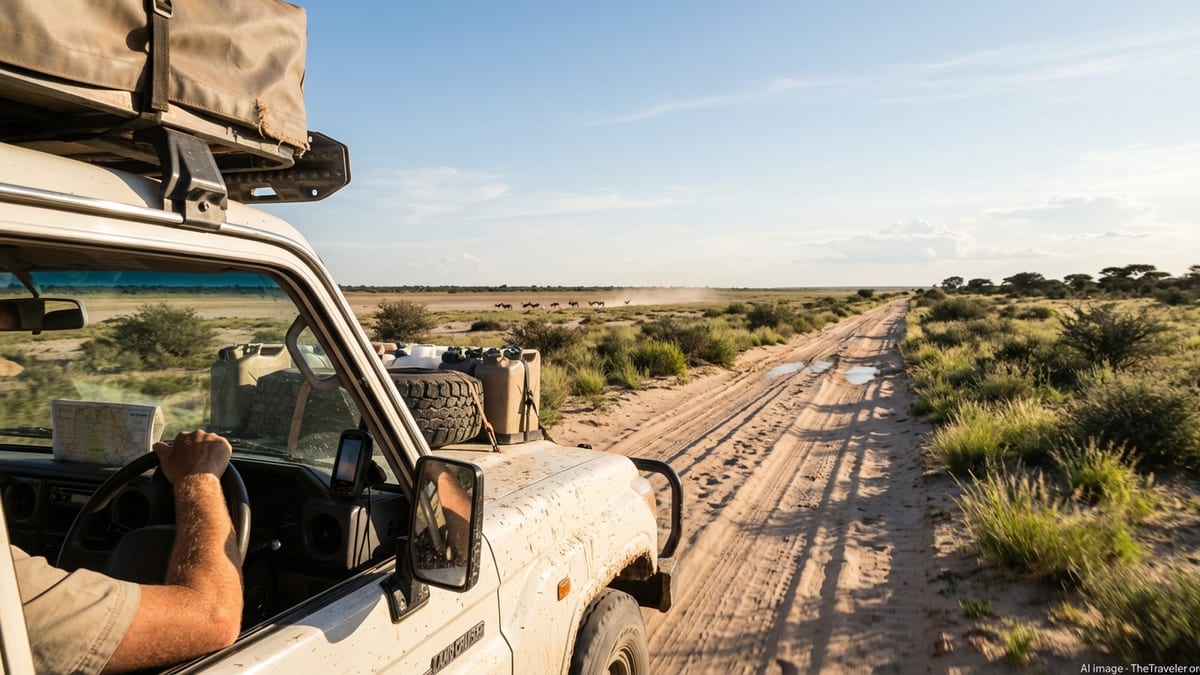
Along the Chobe Riverfront, higher regional water tables can expand floodplains used by puku antelope, buffalo and elephant herds. Publicly available park guidance already notes that road conditions and access are highly seasonal, with black cotton soils becoming challenging when saturated. In 2026, a longer period of wet conditions could intensify those constraints for ground-based travel while simultaneously enhancing boat-based wildlife viewing on the river.
Further south and east, community-managed sanctuaries and private reserves that depend on seasonal pans may also benefit ecologically from a deeper recharge of surface and groundwater. Bird-rich sites such as the Nata Bird Sanctuary typically see breeding aggregations of flamingos and other waterbirds in years when Sowa Pan holds sufficient water; early-season rainfall indicators suggest that 2026 is tracking as a favorable year for such events, which in turn attracts keen birders and specialist photographic safaris.
Tourism Adapts With Water-Focused Safari Experiences
The interplay between stronger floods and Botswana’s high-value, low-impact tourism model is already shaping 2026 safari offerings. Operators marketing luxury and mobile safaris for the midyear peak are emphasizing water-based experiences in the Okavango Delta and adjacent concessions, highlighting reliable mokoro channels, boating routes and remote island camps that were less accessible in drier recent seasons.
Travel planning material for 2026 indicates that itineraries are increasingly pairing deep-water delta concessions with slightly drier areas on the fringe to showcase ecological contrasts within a single journey. Guests may spend part of their stay navigating reed-lined channels and hippo-filled lagoons, then move to woodland and savannah zones where the same flood pulse draws plains game and predators to shrinking pools as the dry season advances.
Advisories aimed at international travelers also note that the timing of the flood is central to expectations. Because the main surge arrives months after the peak local rains, June to August 2026 is projected to be a prime period for classic “flood season” imagery, even though regional forecasts link the transformative water levels back to heavy rains that fell much earlier in the year in Angola and northwestern Botswana.
Against this background, many safari planners continue to promote shoulder months such as May and September as particularly attractive in 2026. In May, rising floodwaters coincide with relatively green landscapes and moderate visitor numbers, while September often combines lingering channels with concentrated wildlife on exposed floodplains, amplified this year by the larger predicted inundation.
Climate Variability, Risk Management and Access
The recent sequence of intense rainy seasons has sharpened focus on climate variability and risk management in Botswana’s tourism sector. Reports covering the 2025 floods describe how unusually heavy rainfall closed roads, disrupted schooling and damaged infrastructure in several districts, underlining that the same weather patterns that feed the Okavango and related wetlands can also threaten communities and transport networks.
For 2026, publicly available climate outlooks for southern Africa point to continued fluctuation between wetter and drier years, influenced by large-scale ocean and atmospheric cycles. In northern Botswana, the practical effect for travelers is that conditions can diverge significantly from long-term averages, with some years delivering earlier or higher floods and others bringing below-average inundation even when the rainy season appears strong.
Tourism businesses are responding with more flexible planning and clearer guidance around seasonal uncertainties. Booking information for 2026 frequently emphasizes the need for four-wheel-drive vehicles in certain reserves, greater reliance on light aircraft transfers when ground routes are cut, and the possibility that specific areas or activities may change at short notice if water levels rise further than anticipated.
At the same time, conservation and tourism planning documents stress the importance of preserving natural floodplains and wildlife corridors as buffers against climate shocks. Maintaining open pathways for animals to move between the Okavango Delta, Chobe, the Mababe Depression and the Makgadikgadi system is viewed as essential to sustaining both ecological resilience and the diverse wildlife experiences that underpin Botswana’s tourism economy.
Emerging Opportunities for Low-Impact, Community-Based Travel
The transformative 2026 flood season is also drawing attention to opportunities for more inclusive and low-impact tourism models. Community trusts and locally managed concessions bordering the Okavango and other wetlands are positioned to benefit from increased interest in areas that combine strong wildlife viewing with cultural and conservation experiences.
Recent planning frameworks for northern Botswana highlight how community-controlled wildlife management areas can limit permanent infrastructure while supporting small camps, guided walks and village-based activities. In years of higher flood extent, these zones often become key transition areas between fully inundated delta regions and drier communal lands, offering visitors insight into how people and wildlife coexist in a changing climate.
Travel companies marketing 2026 itineraries are beginning to feature such destinations more prominently alongside flagship private reserves and national parks. By steering some demand toward community-linked projects and less trafficked regions that benefit from enhanced water availability, the sector aims to spread economic gains from tourism while reducing pressure on the most visited sites.
For travelers planning trips later in 2026, the evolving flood conditions present a chance to experience Botswana during a period when its aquatic and terrestrial ecosystems are in visible flux. From expanded mokoro routes in the Okavango Delta to revitalized bird sanctuaries and migration corridors, the country’s transformative flood season is shaping a safari landscape that is both more water-rich and more complex, inviting careful planning and renewed appreciation of its living, changing wilderness.