


More news on this day
British Airways has postponed the restart of key Middle East routes to August 1, trimming its network to Dubai, Doha, Riyadh and Tel Aviv while permanently dropping Jeddah as regional tensions and insurance costs continue to disrupt travel plans for thousands of UK passengers.
Get the latest news straight to your inbox!
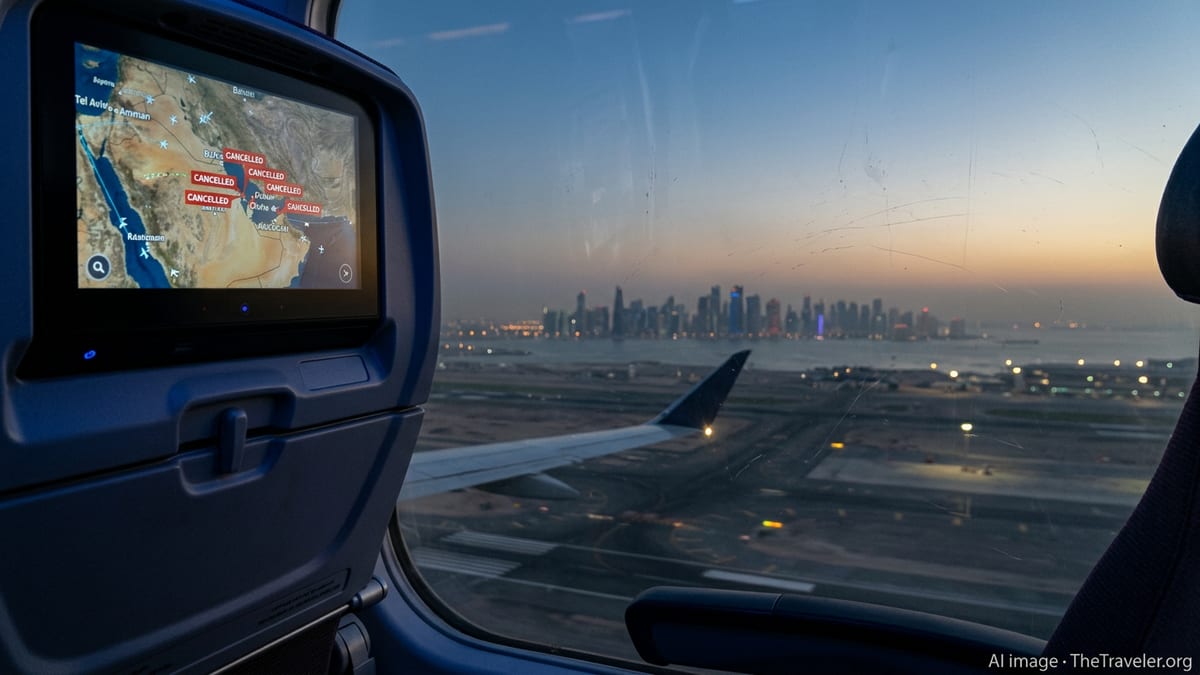
Restart Pushed Back As Conflict Ripples Through Air Travel
According to publicly available scheduling data and recent industry coverage, British Airways has delayed the resumption of flights to Dubai, Doha and Tel Aviv by one month, moving the target restart date from July 1 to August 1. The adjustment comes after months of rolling suspensions across the Gulf and Levant following the escalation of conflict involving Iran, Israel and allied forces earlier this year.
The carrier had initially framed the Middle East pause as temporary, with a staged return planned for the peak summer period. The latest shift, however, signals a more cautious stance as risk assessments, war‑risk insurance premiums and airspace restrictions continue to change at short notice. Reports indicate that the decision aligns with broader industry retrenchment across the region, as European and Asian airlines repeatedly adjust timetables in response to shifting security guidance.
For UK travellers, the new August 1 target means an additional month of disrupted itineraries, missed connections and rerouting via alternative hubs such as Istanbul and various European gateways. Consumer forums and travel discussion boards have filled with accounts of passengers facing long hold times, limited rebooking options and uncertainty over when normal schedules will resume.
Network Cutbacks Leave Jeddah Off the Map
While flights to Dubai, Doha, Riyadh and Tel Aviv are now slated to return in August, British Airways has confirmed through earlier schedule filings and public statements that Jeddah will not rejoin the network. The Saudi gateway, heavily tied to religious and diaspora travel, had been a long‑standing part of the airline’s Middle East portfolio but was suspended when the wider conflict disrupted regional airspace.
Industry analysts note that pulling Jeddah entirely marks a more structural retreat than the temporary suspensions elsewhere. The move reduces British Airways’ direct access to western Saudi Arabia at a time when rival carriers in the Gulf are positioning aggressively for post‑crisis demand. It also removes a key option for UK pilgrims and business travellers who previously relied on a nonstop Heathrow link.
Published coverage suggests that aircraft and crew capacity freed up by the Jeddah withdrawal and broader Middle East cuts are being redeployed to longer‑haul markets where demand remains strong and routings are less exposed to conflict‑related closures. That redeployment may improve profitability for the airline, but it narrows choices for passengers who once used British Airways as a primary bridge between the UK and the Red Sea corridor.
Reduced Frequencies Intensify Pressure on Remaining Seats
When services eventually restart, British Airways does not plan to return to pre‑crisis capacity. Public schedules show that Dubai, Doha, Riyadh and Tel Aviv will each be served by a single daily flight from London rather than the multiple daily frequencies that were common before airspace closures and missile strikes brought routine operations to a halt.
The cut to one daily rotation per city is likely to concentrate demand into fewer seats, particularly during the late‑summer peak. Travel agents and fare‑tracking services are already flagging elevated prices on alternative carriers out of the UK to Gulf and Levant destinations, and a constrained British Airways offering may further tighten the market for non‑stop travel.
For corporate travellers, the reduced timetable limits same‑day connection options onto transatlantic and European services at Heathrow, undermining one of the key advantages of using a hub‑and‑spoke network. Leisure passengers, meanwhile, face fewer choices for aligning flights with cruise departures, tour start dates and school holidays, increasing the risk of costly overnight stays or complex multi‑stop itineraries.
Thousands of UK Travellers Scramble for Alternatives
The latest delay compounds months of disruption for UK residents and expatriates trying to move between Britain and the Gulf. Since late February, successive schedule updates and cancellations have left travellers stranded or forced to pay high walk‑up fares on competing airlines still operating limited services into the region.
Accounts shared on consumer advocacy sites and social media describe passengers rerouted via third‑country hubs, sometimes adding many hours and multiple stops to journeys that would normally be completed in a single overnight flight. Others report difficulties securing rerouting outside alliance partners, despite UK and EU passenger‑rights rules that in principle require airlines to seek the earliest reasonable alternative to the final ticketed destination.
The squeeze has been particularly acute for those with family or work ties in the Gulf states who must travel despite government advisories. With British Airways’ own schedule curtailed and some Middle Eastern carriers also trimming services, options for reasonably priced, direct travel remain highly limited in the short term.
Regional Tensions Continue To Shape Airline Risk Calculus
British Airways’ decision to push its Middle East restart to August 1 comes against a backdrop of persistent geopolitical uncertainty. The conflict involving Iran and Israel has already triggered temporary airspace closures across multiple states, sharply higher war‑risk insurance costs and periodic missile and drone incidents that have heightened the perceived vulnerability of major hubs such as Dubai and Doha.
Aviation safety experts and insurance analysts quoted in recent coverage highlight that airlines must factor not only the direct risk to aircraft but also the resilience of airport fuel and navigation infrastructure. The spike in premiums for flights transiting contested corridors has prompted many carriers to reroute or suspend services where the expected revenue no longer justifies the cost of operating under elevated risk conditions.
For British Airways and its parent IAG, the reshaped Middle East schedule reflects a balancing act between safeguarding crews and passengers, complying with evolving regulatory guidance and maintaining access to strategically important markets. As the August target approaches, further adjustments remain possible if the security picture worsens or if competing carriers shift capacity in ways that alter the economics of flying into the region.