


More news on this day
Severe thunderstorms over North Texas have triggered more than 500 flight cancellations at Dallas Fort Worth International Airport this week, disrupting early Memorial Day weekend travel plans across the United States.
Get the latest news straight to your inbox!
Ground stop ripples through a critical national hub
Publicly available flight tracking data shows that a powerful storm system rolling across North and Central Texas led to a ground stop at Dallas Fort Worth International Airport on Tuesday, forcing airlines to cancel hundreds of arrivals and departures in a matter of hours. By early afternoon, reports indicated that cancellations at DFW had already climbed into the 400s, with the tally later surpassing 500 as carriers trimmed schedules and repositioned aircraft.
The Federal Aviation Administration’s online airport status dashboard reflected periods of ground stop and flow-control measures at DFW, citing thunderstorms in the region and reduced arrival rates. These constraints limited how many planes could safely land or depart each hour, creating a backlog that airlines could not quickly absorb during one of the busiest pre-summer travel weeks of the year.
Because DFW is among the largest connecting hubs in the country, the impact extended far beyond North Texas. Disruptions cascaded through domestic and international networks, affecting passengers who never intended to set foot in Dallas but were scheduled to change planes there en route to destinations across the United States, Latin America, and Europe.
Travel industry briefings ahead of the holiday period had already flagged DFW as one of the airports most vulnerable to storm-related disruption in late May, given both its size and its location in a region prone to late spring severe weather.
Memorial Day rush collides with severe weather season
The timing could hardly be worse for travelers. Memorial Day weekend, which runs from May 22 to May 26 this year, typically marks the unofficial start of the U.S. summer vacation season. Forecasts from major travel and automotive associations point to tens of millions of Americans taking trips by air and road over the holiday period, with air volumes expected to test or exceed pre-pandemic records.
At the same time, seasonal outlooks from national forecasters highlight a persistent pattern of thunderstorms and heavy rain across the southern United States, including North Texas, in the days leading into the long weekend. Meteorologists caution that storm complexes can redevelop on multiple afternoons in a row, raising the likelihood of repeated disruptions at major hubs such as DFW even after an initial ground stop is lifted.
Historical patterns back up those concerns. Spring and early summer are often the most volatile months for DFW’s operation, with late-day thunderstorms capable of closing arrival and departure corridors, spurring lightning shutdowns on airport ramps, and forcing aircraft already in the air to divert. Current public forecasts suggest that unsettled weather could linger through much of the week, leaving airlines limited room to recover before peak Memorial Day departures begin.
The combination of elevated holiday demand and weather-related capacity limits means that every cancellation has outsized consequences. Once flights are scrubbed, available seats on remaining services quickly fill, and options for rebooking become more constrained for travelers bound for leisure destinations, family visits, and early summer cruises.
American Airlines and partner carriers under strain
As the dominant airline at DFW, American Airlines appears to be bearing the brunt of the disruption. Industry reports note that American has led global cancellation counts during several recent North Texas storm events, and early data from Tuesday’s storms again showed the carrier with a high share of grounded flights tied to its Dallas hub.
Airlines have responded by activating flexible travel policies, allowing affected customers to adjust their itineraries without standard change fees when traveling through DFW on affected dates. Publicly posted travel alerts outline options such as rebooking to different days, rerouting through alternate hubs, or standing by for earlier or later flights if seats become available.
Regional affiliates and partner airlines that rely on DFW for connecting traffic are also under pressure. When mainline operations slow or pause, smaller regional jets that feed passengers into and out of Dallas often see their rotations disrupted for the remainder of the day, leading to clusters of cancellations on shorter routes across Texas, Oklahoma, Arkansas, and neighboring states.
Industry observers note that while carriers have refined their irregular operations playbooks in recent years, there are practical limits to how quickly crews, aircraft, and equipment can be repositioned once a storm system has moved through. With Memorial Day crowds already building, those constraints are being tested in real time at DFW.
Passengers face cascading delays and limited options
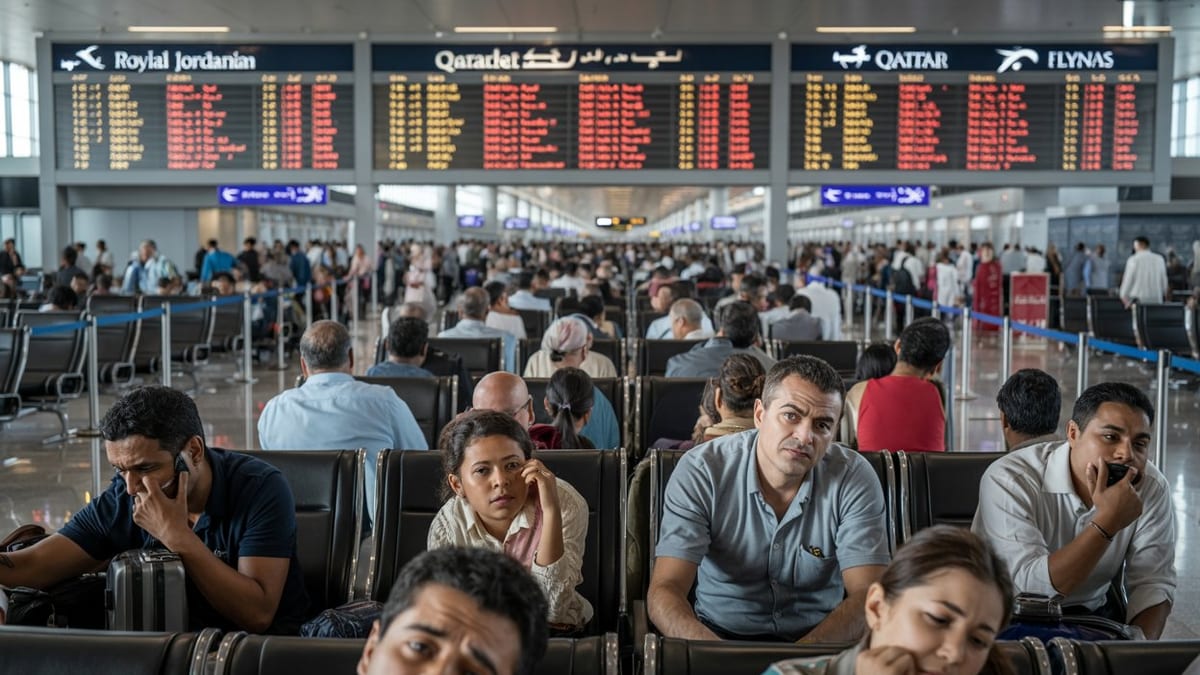
For individual travelers, the statistics translate into long lines, missed connections, and uncertainty. Social media posts from DFW and other airports show crowded gate areas and boards filled with cancellations and delays as the storms moved through North Texas. Many passengers reported being rebooked for flights later this week, while others sought refunds or opted to switch to ground transportation for regional trips.
Travel planners caution that the effects of a single day of intense weather disruption can linger for several days, especially when the event occurs just before a major holiday. Aircraft and crews that are out of position must be returned to their intended routes, and maintenance schedules may need to be adjusted, all while airlines continue to move large numbers of holiday travelers.
Advisories from aviation analysts and consumer advocates emphasize several strategies for passengers with upcoming trips through DFW or other storm-prone hubs. These include monitoring flight status and weather conditions frequently, considering early-morning departures that are less likely to be affected by afternoon thunderstorms, and traveling with carry-on luggage when possible to increase flexibility if flights must be changed at the last minute.
Some experts also suggest building longer connection times into itineraries involving DFW over the next several days, given the potential for rolling delays as the severe weather pattern persists and airlines work through existing backlogs.
Outlook for the days ahead
Forecasts indicate that the same weather pattern responsible for the latest round of storms over North Texas could spawn additional thunderstorms across parts of the state as the week progresses. While precise timing and intensity are subject to change, the risk of renewed impacts to air travel remains elevated heading toward the Memorial Day weekend.
Airports and airlines are expected to continue coordinating operational plans based on updated meteorological guidance, with schedules likely to be adjusted dynamically as new storms form. Travelers with tickets through DFW are being encouraged, through publicly available advisories and airline updates, to ensure that their contact information is current so they receive real-time notifications of delays, cancellations, and gate changes.
Analysts point out that, despite significant advances in forecasting and air traffic management, severe convective weather remains a stubborn challenge for the aviation system, particularly at large hub airports in storm-prone regions. The latest wave of cancellations at DFW underscores how quickly conditions can deteriorate and how far-reaching the consequences can be when a key node in the national network is constrained.
With Memorial Day traditionally serving as a bellwether for the summer travel season, the performance of DFW and other major hubs in the coming days will be closely watched by airlines, regulators, and passengers alike as an early test of the system’s resilience in a year expected to bring both heavy demand and active weather.