


More news on this day
A new wave of European travel is shifting attention from Europe’s headline cities toward quieter contenders, with Bulgaria, Montenegro and Belgium emerging as key examples of destinations that promise strong cultural appeal and better value while sidestepping the worst of overtourism.
Get the latest news straight to your inbox!
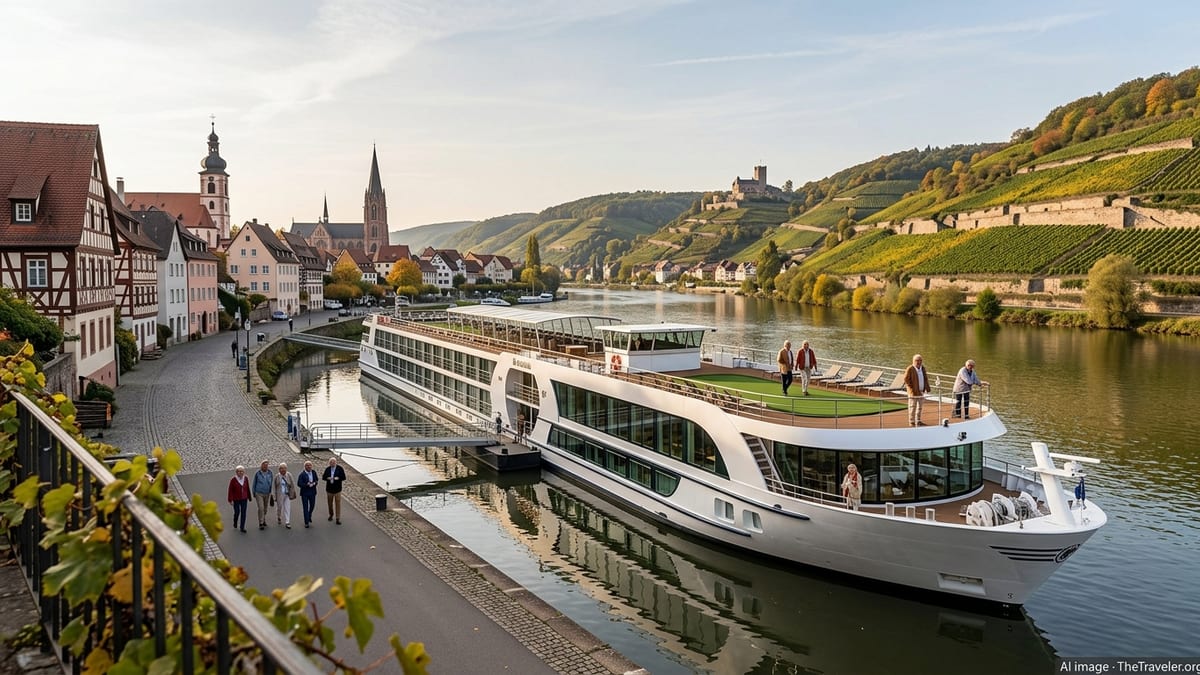
Underrated No More: Value and Variety Reshape Europe
Across Europe, destinations that once sat in the shadow of Paris, Rome or Barcelona are gaining ground as travelers look for culture rich city breaks and coastal escapes without peak season prices or crowds. Industry reports for 2024 and 2025 point to a growing preference for lesser known locations that still offer solid transport links, established attractions and a sense of local life that can be harder to find in heavily touristed centers.
Travel trend analyses indicate that value for money is a leading driver of this shift, with price conscious visitors seeking destinations where lodging, dining and activities remain comparatively affordable. At the same time, rail expansion, new low cost routes and relaxed visa regimes within Europe are lowering the barrier for secondary cities and smaller countries to attract international visitors.
Within this broader movement, Bulgaria, Montenegro and Belgium have started to feature regularly in “hidden gem” and “underrated city” roundups, occupying a middle ground between remote discovery and mainstream convenience. Together, they illustrate how very different types of destinations, from Balkan beaches to Gothic canal cities and mountain villages, are benefiting from travelers’ push beyond the usual circuit.
Bulgaria’s Quiet Rise From Ski Slopes to Black Sea Coast
Publicly available data show that tourism is a significant and growing part of Bulgaria’s economy, sustained by a mix of Black Sea resorts, historic cities and winter sports hubs. The country has been singled out by European travel trade bodies for 2024 as a preferred partner destination, reflecting both its capacity for growth and efforts to strengthen its profile among tour operators across the continent.
On the ground, Bulgaria’s appeal rests heavily on price competitiveness. Mountain resorts such as Bansko in the Pirin range have built a reputation for offering ski passes and lodging at a fraction of Alpine costs, while still providing extensive lift infrastructure and varied terrain. At the coast, long sandy beaches along the Black Sea attract families and regional visitors, although many international travelers still default to Croatia or Greece when planning a summer holiday.
Beyond resort zones, a new generation of independent travelers is beginning to focus on Bulgaria’s cultural and natural assets, from Thracian archaeological sites and medieval monasteries to hiking in mountain national parks. Online discussions and travel content frequently describe Bulgaria as one of Europe’s most underrated countries, noting that visitors can still find uncrowded trails, village guesthouses and historic neighborhoods that feel largely geared to locals rather than mass tourism.
Challenges remain around marketing, visitor information and infrastructure in some rural areas, which can deter less confident travelers. Yet that relative obscurity is precisely what is drawing a niche audience: those willing to trade some convenience for lower prices and a sense of discovery that is harder to find in more established Mediterranean destinations.
Montenegro Moves Beyond Niche Balkan Getaway
Montenegro has undergone a rapid tourism transformation over the past decade, moving from a largely regional seaside escape to a recognizable name on the wider European travel map. Recent international economic assessments report that tourism revenues in Montenegro have exceeded pre pandemic levels, underpinning solid national growth and signaling that the country’s coast and mountains are attracting more international spending.
Officially compiled statistics indicate that Montenegro welcomed around 2.6 million tourist arrivals in 2024, generating more than 15 million overnight stays. Those figures are modest in absolute terms compared with long established Mediterranean markets, but they are significant given the country’s small population and highlight how central travel has become to the economy.
Montenegro’s draw is concentrated along its Adriatic shoreline, where the Bay of Kotor offers fortified old towns backed by steep mountains, and newer resorts target higher spending visitors. At the same time, national development plans point to a push inland, promoting hiking, lake tourism and eco focused stays in areas such as Durmitor National Park in an attempt to diversify beyond summer beach travel and extend the season.
Surveys of visitor satisfaction published in early 2024 show strikingly high rates of recommendation among recent guests, suggesting that word of mouth could further accelerate its rise. For now, however, Montenegro still sits slightly outside the mainstream for many long haul travelers, keeping prices and crowd levels lower than in parts of neighboring Croatia while offering similar scenery and a comparable blend of historic coastal towns and rugged interior landscapes.
Belgium’s Second Cities Step Out of Brussels’ Shadow
While Belgium has been a staple of European itineraries for decades, international attention has often centered on Brussels and the postcard canals of Bruges. In recent years, however, a steady stream of guidebooks, travel features and expert lists has pushed Ghent and Antwerp into the spotlight as more rewarding, less expected urban choices.
Ghent, the largest city in East Flanders, has been described in travel coverage as one of Europe’s great unsung city breaks, combining a substantial medieval core with a university driven cultural scene and a more local atmosphere than nearby Bruges. Its position as a rail hub between Brussels, Bruges and Antwerp also makes it an efficient base for travelers who want to sample several Flemish cities while sleeping in one place.
Antwerp, Belgium’s main port and a recognized global city, is enjoying a parallel reappraisal. Reports highlight its mix of fashion, design, historic guild houses and industrial heritage, noting that many visitors still bypass it entirely on their way between Brussels and Amsterdam. That pattern is beginning to shift as more travelers seek out neighborhoods such as Het Zuid and the old docklands, where galleries, restaurants and converted warehouses offer a more contemporary take on Belgian urban life.
Recent discussions in traveler communities indicate that experienced visitors increasingly recommend Ghent or Antwerp ahead of Brussels for those with limited time, citing a perceived balance of architecture, walkability and nightlife. As a result, Belgium is benefiting from the broader “underrated Europe” narrative not by adding new destinations to the map, but by reframing the hierarchy within its existing cities.
A Broader Shift: From Bucket Lists to “Second Choice” Europe
The rise of Bulgaria, Montenegro and Belgium’s second tier cities reflects a wider recalibration of what constitutes a desirable European break. Analysts tracking booking data note growing interest in places that sit just beyond the typical bucket list, fueled by social media coverage of lesser known spots and the practical reality that many flagship cities are grappling with high prices, visitor caps or new taxes.
Travel trend reports for 2024 highlight a search for what is often framed as “value without compromise,” where visitors still want strong cultural experiences, food scenes and scenery, but are more willing to substitute one country or city for another if it keeps budgets manageable. A beach holiday in Montenegro instead of Croatia, a ski week in Bulgaria instead of France, or a long weekend in Ghent instead of Brussels all fit within this new decision making pattern.
For destinations, this shift presents both opportunity and risk. Bulgaria and Montenegro are eager to scale up tourism as an economic engine, while Belgian cities look to spread visitor numbers more evenly and reduce pressure on a few central districts. As they gain prominence, each will face questions about infrastructure, housing and environmental impact that now dominate discussions in the most famous European hotspots.
For travelers, the immediate effect is a richer map of options. The growing attention to Bulgaria, Montenegro and under appreciated Belgian cities suggests that the next phase of European tourism will be defined less by discovering entirely new territories and more by reimagining and rebalancing the continent’s existing destinations.