


More news on this day
Around 200 people who bought into a “cruise for life” dream on the residential ship Villa Vie Odyssey have been abruptly ordered to disembark in Cambodia, after the operator said it could no longer afford to keep the vessel sailing amid surging fuel costs and mounting financial pressures.
Get the latest news straight to your inbox!
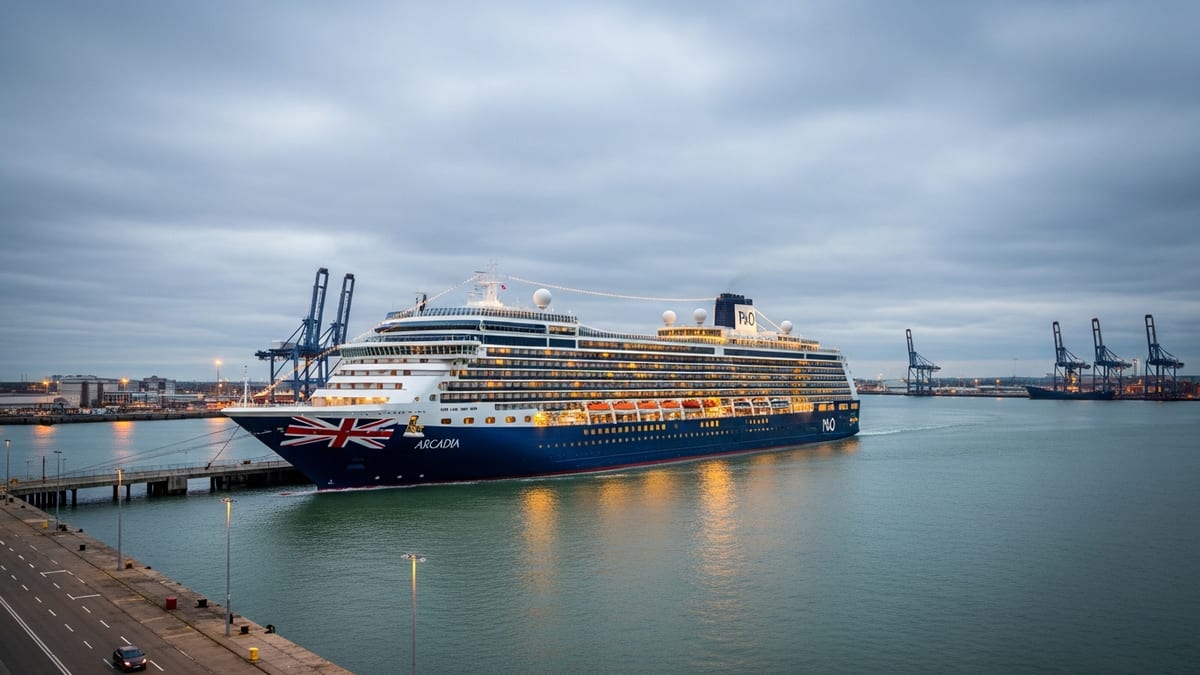
Residents told to leave ship in Sihanoukville
According to publicly available information from Cambodian port authorities and international media, the Bahamas flagged Villa Vie Odyssey arrived in the deep sea port of Sihanoukville on 23 October 2026 with 203 guests and 156 crew on board. The ship had sailed from Thailand and had been scheduled to continue on to Vietnam before the voyage was suddenly suspended.
On 27 October, passengers were informed that operations were being halted and that they would need to leave the ship with their belongings. Reports indicate they were given only a few hours’ notice to pack up cabins that many had treated as long term homes, in some cases after selling property ashore to fund multi year stays.
Local coverage in Cambodia and international outlets describe coaches taking passengers from the port into Sihanoukville town, where they were left to arrange their own hotels and onward travel. Passengers posting publicly online describe confusion over where they would sleep that night and uncertainty over how, or if, any portion of their payments might be refunded.
Port officials quoted in regional media said the ship remains moored in Sihanoukville while Villa Vie Residences seeks fresh financing or a buyer. The company has stated that it intends to file for bankruptcy protection, leaving residents facing the prospect of pursuing claims through insolvency proceedings rather than through the continuation of their voyage.
A business built on “life at sea” ownership
Villa Vie Odyssey began its marketed endless voyage in October 2024 from Belfast as part of a growing niche of residential and “life at sea” cruises. Public promotional material described the concept as an opportunity to purchase or rent a cabin as a permanent or long term home, with the ship circling the globe on a multi year itinerary that blended world cruising with condominium style living.
According to archived pricing information cited in recent coverage, entry level lifetime ownership of a suite was marketed from around 230,000 US dollars, with some reports referencing packages near 120,000 dollars for extended stays. Residents also paid ongoing monthly fees intended to cover fuel, crew salaries, port charges, food and maintenance.
The 200 metre ship, with capacity for about 650 guests, was previously part of a conventional cruise fleet before being refurbished for residential service. It joined a small but high profile group of vessels promising long duration or indefinite voyages at sea, aimed at remote workers, early retirees and travel focused buyers willing to trade land based property for life on board.
Prospective residents were told the itinerary would span several years and visit hundreds of ports worldwide. Some passengers have said in public posts and interviews with news outlets that they sold homes, cars and most of their possessions to fund cabin purchases and fees, expecting the ship to serve as their primary residence for the foreseeable future.
Soaring fuel costs and warnings of financial strain
In recent days, the operator has pointed to fuel expenses as the central reason for suspending the voyage. In an interview cited by multiple outlets, Villa Vie’s leadership said the ship’s monthly fuel bill had risen by more than 300 percent compared with original projections, following a spike in oil prices linked to global supply disruptions.
Publicly available commentary from residents suggests there were signs of financial strain months before the Sihanoukville announcement. Passengers have described being asked repeatedly for additional contributions for fuel and operating costs, including new surcharges on top of existing monthly maintenance fees. Some residents reported that they were encouraged to advance future payments to help keep the itinerary on track.
Travel industry analysts note that residential cruise projects operate on thin margins even in stable conditions, relying on high occupancy and predictable costs over many years. Sharp increases in fuel prices, combined with the complexity of managing visas, health care, staffing and port logistics for a floating residential community, can quickly undermine the underlying business model.
The Villa Vie Odyssey suspension follows earlier difficulties in the emerging “live at sea” sector, including long running delays and cancellations in other multi year cruise projects. Consumer advocates have been warning that these ventures can expose residents to significant financial risk if the operator encounters liquidity problems or fails to secure long term financing.
Stranded passengers searching for options
As of late October, passengers remain dispersed around Sihanoukville and other regional hubs while weighing their next steps. Coverage from European and North American outlets indicates that residents are attempting to recover prepaid funds, secure new housing and, in some cases, find a way to continue traveling.
Some have expressed interest in seeing a new investor step in to acquire the ship and revive the residential concept under different management. Others are focused on arranging flights home and dealing with the immediate challenge of being effectively homeless after planning to live aboard for years. A number of passengers have used personal blogs and social media to chronicle their efforts to find affordable hotels, storage for luggage and access to medical care or medications that had been managed through the ship’s onboard services.
Public information suggests that, at this stage, there is no confirmed plan to repatriate residents or to fund their onward travel. Instead, passengers are relying on personal resources, travel insurance where applicable and assistance from their home country embassies to navigate visa requirements and bookings out of Cambodia.
Legal specialists quoted in international media say that any refunds or compensation will depend on the terms of individual contracts and on how Villa Vie’s insolvency proceedings unfold. Passengers who bought cabins outright could find themselves treated as unsecured creditors, competing with other claimants if the company’s remaining assets are liquidated.
Broader questions for the residential cruise industry
The abrupt halt of Villa Vie Odyssey’s global voyage is prompting renewed scrutiny of residential cruise schemes and the protections available to those who buy into them. Traditional ocean cruises from major lines are typically covered by financial protection rules in key markets that require operators to set aside funds or bonds to cover repatriation and refunds in the event of insolvency. By contrast, long term residential products can fall into more ambiguous regulatory categories.
Consumer advocates and travel law experts quoted in recent analyses note that many “live at sea” arrangements are structured more like real estate purchases or long leases than standard cruise tickets. That can leave residents with fewer automatic safeguards if a ship’s itinerary is changed significantly or cut short due to financial troubles.
The Cambodia incident also highlights the practical challenges when a long duration voyage comes to an unplanned stop in a country far from many passengers’ home jurisdictions. Residents must manage local visa rules, find accommodation in an unfamiliar city and arrange complex international routings, often while dealing with the emotional shock of a long anticipated life plan collapsing with little warning.
For the broader cruise sector, the situation underscores both the appeal and the volatility of experiments in permanent or near permanent life at sea. Industry observers suggest that any future residential projects are likely to face tougher questions from regulators, insurers and prospective residents about financial transparency, contingency planning and the concrete mechanisms in place to get people home if the dream of endless cruising suddenly runs aground.