


More news on this day
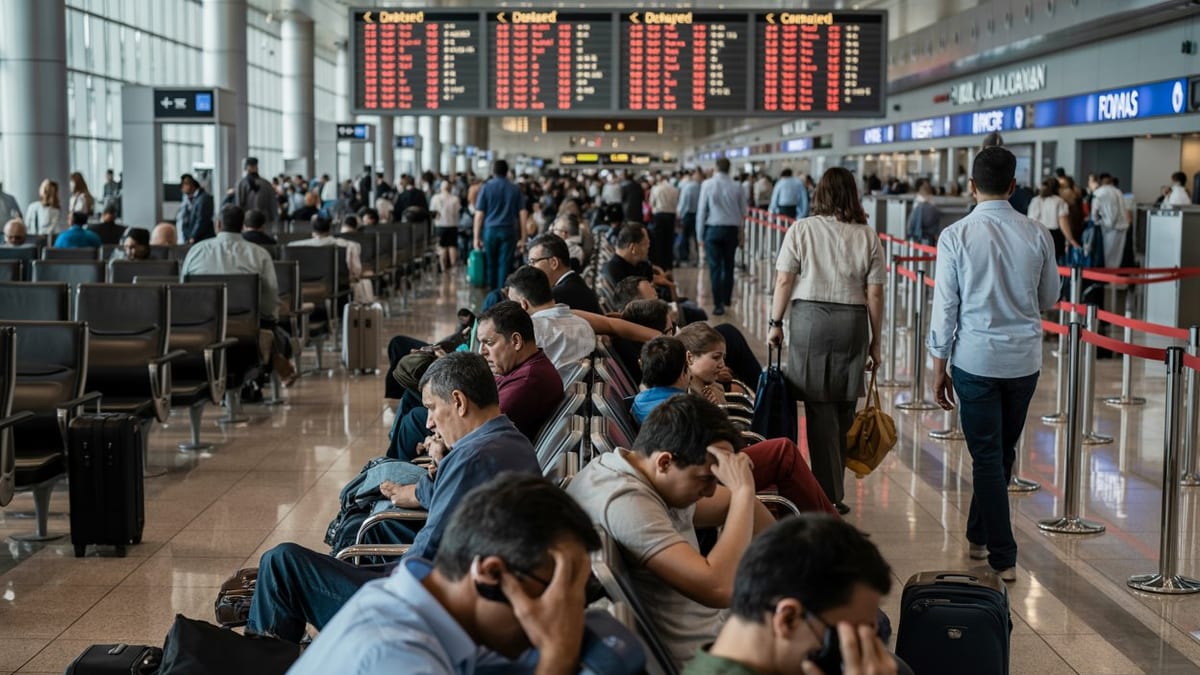
Hundreds of travelers across Canada are facing long waits, missed connections and overnight airport stays as a fresh wave of flight delays and cancellations disrupts major hubs from Toronto and Montreal to Vancouver, Calgary, Ottawa and Halifax.
Get the latest news straight to your inbox!
Network Disruptions Hit Multiple Canadian Carriers
Publicly available flight-tracking data and recent aviation coverage indicate that regional and mainline carriers including Jazz, WestJet Encore, Air Canada, Pacific Coastal and Inuit-operated services have collectively logged more than 160 delays and at least 34 cancellations across Canada’s domestic network over the latest 24-hour period. These figures, drawn from aggregated FlightAware data cited in current reporting, illustrate yet another day of strained operations for the country’s busiest corridors.
The disruption is not confined to a single airline. Jazz-operated flights under the Air Canada Express banner, WestJet’s regional Encore network, and services operated by carriers such as Pacific Coastal and Air Inuit have all experienced rolling delays. While each airline publishes its own advisories, comparative data suggest a pattern of scattered cancellations layered on top of a much larger volume of late departures and arrivals.
Operational snapshots from recent weeks show that Air Canada and its regional affiliates have repeatedly accounted for a substantial share of delayed flights at Toronto Pearson and Montreal Trudeau, while WestJet and WestJet Encore have faced pressure in Calgary and other western gateways. Smaller regional operators have been drawn in as well when connections to northern and coastal communities are disrupted by missed inbound aircraft or ground delays at hub airports.
The result is a patchwork of localized issues that, taken together, form a nationwide picture of instability. Travelers on short-haul routes are encountering departure boards filled with yellow and red status updates, and even minor schedule changes are cascading into missed connections and rebookings across multiple airlines.
Major Hubs from Toronto to Vancouver See Cascading Delays
Toronto Pearson, Canada’s busiest airport, has once again emerged as one of the hardest-hit hubs. Recent monitoring reports show that clusters of delays on Air Canada, Jazz and WestJet services have combined with smaller pockets of disruption among regional carriers to create frequent bottlenecks at peak periods. When arrival banks land late, subsequent departures often push back behind schedule, leaving aircraft and crew out of position for later flights.
Montreal Trudeau has experienced similar turbulence. Coverage drawing on real-time operational feeds recently documented dozens of late departures and multiple cancellations concentrated among Air Canada and Jazz flights, with regional services from airlines such as Air Inuit and Porter also affected. When aircraft scheduled to feed northern or secondary markets depart behind schedule, onward connections for remote communities can be severed or significantly delayed.
On the West Coast, Vancouver International has reported waves of late flights involving Air Canada, WestJet and partner airlines, according to current aviation tracking summaries. Regional operators, including Pacific Coastal on its coastal and interior routes, have seen their schedules squeezed as inbound aircraft from larger hubs arrive late. These knock-on effects are particularly acute for travelers relying on tight connections between trunk routes and smaller communities in British Columbia.
Calgary, WestJet’s primary hub, along with Ottawa and Halifax, has not been spared. Recent disruption tallies highlight double-digit numbers of delayed departures in each of these cities during busy periods, with scattered cancellations forcing passengers onto later flights or entirely different routings. Because many itineraries in and out of Atlantic Canada and the Prairies require connections through one or two hubs, a delay at any point can strand travelers far from their intended destination.
Travelers Face Long Waits, Missed Connections and Overnight Stays
For passengers in terminal buildings, the raw numbers translate into hours spent in queues and departure lounges. Reports from recent disruption days in Canada describe travelers sleeping in gate areas, lining up repeatedly at service desks and scrambling to secure hotel rooms when late-night flights are scrubbed. Even when flights eventually operate, late departures are leading to missed international connections and abandoned weekend or business plans.
According to published consumer-rights guidance and airline advisories, passengers with same-day connections are particularly vulnerable. A delay of 60 to 90 minutes on a domestic leg can easily cause a missed onward departure to Europe, the United States or another Canadian city, forcing travelers to wait for scarce seats on later flights. In smaller markets, where daily frequencies are limited, a single cancellation can mean an unplanned overnight stay.
Recent commentary from passenger-rights organizations notes that Canada’s Air Passenger Protection Regulations place specific obligations on airlines when disruptions fall within carrier control, but outcomes vary widely depending on the cause cited, seat availability and timing. Current case studies circulating in Canadian media and online forums show travelers sometimes receiving meal vouchers, hotel accommodation or rebooking support, while others report long waits and limited assistance.
Families traveling with children, older passengers and those with tight work schedules are often among the most affected. With summer travel building and load factors high, many flights are operating close to capacity, making same-day rebooking more difficult when multiple services on the same route experience delays or cancellations.
Operational Strains, Weather and Systemic Weaknesses
Analysts reviewing the latest disruption patterns point to a familiar mix of contributing factors. Recent aviation coverage cites localized weather systems, air traffic control flow restrictions, runway and de-icing constraints, and ongoing crew and equipment imbalances across Canadian fleets. Winter weather earlier in the year produced extensive cancellations, and some carriers are still working through the operational knock-on effects and altered aircraft rotations.
Investigations into past disruption events in Canada have also highlighted structural vulnerabilities in hub-and-spoke networks. When large hubs such as Toronto, Montreal or Vancouver experience even short-lived slowdowns, regional services operated by Jazz, WestJet Encore, Pacific Coastal and similar carriers quickly feel the impact. Aircraft arriving late from congested hubs often trigger subsequent delays on thinner routes where there is little slack built into schedules.
Publicly available regulatory documents and recent enforcement actions show that airlines have faced scrutiny over how they handle cancellations and extended delays, including whether reasons given for disruptions fall within categories that require compensation. Passenger advocates argue that operational challenges are becoming more frequent and that communication and recovery strategies have not always kept pace with the growth in traffic volumes.
Industry observers note that Canadian carriers have been attempting to rebuild capacity and adjust schedules while also dealing with pilot shortages, supply-chain constraints for aircraft parts and continuing shifts in demand patterns between business and leisure travel. These pressures can leave networks more exposed when unexpected events, such as sudden weather changes or technical issues, emerge.
What Travelers Can Do Amid Continuing Volatility
Given the ongoing pattern of disruptions, travel advisers and consumer advocates increasingly recommend that passengers build more margin into their plans when connecting through Canadian hubs. Current guidance published by passenger-rights groups suggests allowing longer layovers, particularly when linking domestic flights with transborder or overseas services that operate less frequently.
Travelers are also encouraged to monitor flight status closely through airline apps and publicly available tracking services on the day of travel. When delays begin to mount across multiple carriers in cities such as Toronto, Montreal, Vancouver, Calgary, Ottawa or Halifax, early awareness can give passengers a better chance of securing alternative routings before flights fill up.
Consumer-rights information available online advises passengers to retain boarding passes, booking confirmations and any written communications about delays or cancellations, as this documentation may be useful when pursuing refunds or compensation under applicable regulations. Some organizations additionally recommend that travelers document out-of-pocket expenses related to hotel stays, meals or ground transport incurred as a direct result of schedule disruptions.
With summer approaching and air traffic volumes rising, the latest wave of more than 160 delays and dozens of cancellations across Jazz, WestJet Encore, Air Canada, Pacific Coastal, Inuit-operated services and other carriers underscores the fragile state of Canada’s aviation network. For now, passengers flying through the country’s largest airports are being advised by public guidance to prepare for potential last-minute changes, longer travel days and the possibility of unexpected nights spent far from home.