


More news on this day
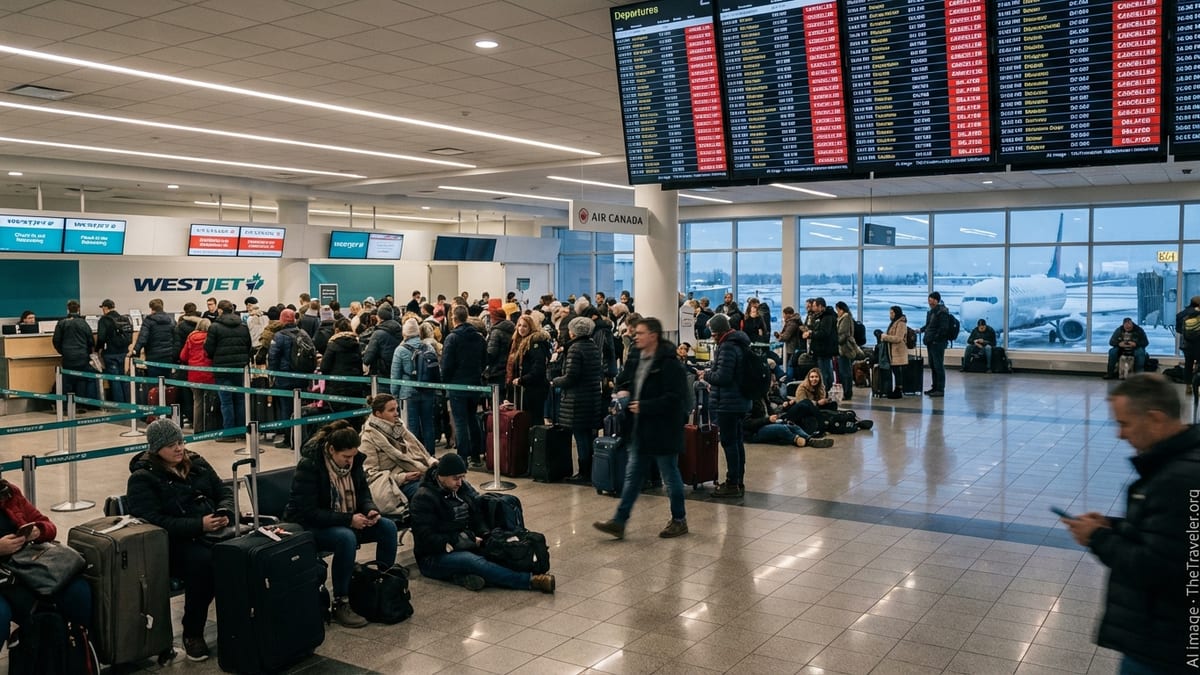
Travellers passing through Calgary International Airport on July 2 encountered a patchwork of cancellations and delays on major domestic and international routes, as schedule changes by Air Canada and Porter Airlines disrupted connections to cities including Yellowknife, Atlanta, Houston, Frankfurt and Saskatoon.
Get the latest news straight to your inbox!
Six Cancellations and Multiple Delays Ripple Through Schedules
Publicly available flight-status boards and tracking services for July 2 show a series of cancellations and delays affecting departures and arrivals at Calgary International Airport. While traffic overall continued to move, at least six scheduled flights operated by or codeshared with Air Canada and Porter Airlines were removed from the boards or marked as cancelled, with several others posting late departures or revised arrival times.
The disruptions were concentrated on high-demand routes linking Calgary with regional hubs and long-haul destinations. Services touching Yellowknife, Saskatoon and other Western Canadian cities were among those affected, along with transborder and transatlantic links involving Atlanta, Houston and Frankfurt. Passengers reported missed connections further downline as they attempted to reroute through alternative Canadian and United States gateways.
Tracking data indicates that some Porter Airlines services operating through Calgary posted altered arrival times and gate changes, while select Air Canada departures that would typically feed into long-haul partners or code-share services were either delayed or cancelled. The mixed pattern created an uneven day for travelers, with some flights operating close to schedule and others seeing significant disruption.
Major Routes to Yellowknife, Atlanta, Houston and Frankfurt Affected
Calgary’s role as a Western Canadian hub meant that disruptions on a handful of flights quickly reverberated across a network of regional and long-haul connections. Flights involving Yellowknife and Saskatoon, which depend heavily on Calgary as a transfer point, were particularly sensitive to any cancellations or missed departure windows. Travelers bound for the Northwest Territories and the Prairies faced the prospect of overnight stays or complex rebookings through alternate cities such as Edmonton or Vancouver.
Transborder routes connecting Calgary with major United States hubs also felt the impact. Services linked to Atlanta and Houston are key for oil and gas, corporate and leisure traffic, often relying on tight connections to and from Calgary’s bank of domestic arrivals. Delays or cancellations on these routes can cascade into missed long-haul departures to Latin America, Europe or other U.S. cities, forcing passengers to adjust itineraries at short notice.
On the international side, monitoring tools showed schedule changes affecting flights between Calgary and Frankfurt, one of the key European gateways for Western Canadian passengers. Even when a Frankfurt service remained scheduled, delays in inbound feeders from elsewhere in Canada and the U.S. increased the risk of travelers misconnecting, prompting airlines to rebook passengers onto later transatlantic departures or alternative routings through Toronto, Montreal or Vancouver.
Air Canada and Porter Adjust Operations Amid Busy Summer Travel
The disruptions on July 2 came as Air Canada and Porter Airlines continue to navigate a summer travel period marked by strong demand and a complex operating environment. Airline schedules into and out of Calgary show dense patterns of departures to Toronto, Ottawa and Western Canadian cities, alongside seasonal or recently launched long-haul services that depend on smooth hub operations.
Publicly available information on airline and airport portals indicates that Air Canada remains the dominant full-service carrier at Calgary, with flights feeding domestic, transborder and international networks through alliance and codeshare partners. Porter, which has been expanding its presence in Western Canada, now routes additional traffic through Calgary to connect with destinations such as Toronto, Ottawa and points in the United States.
In such an environment, even localized operational issues, weather shifts or air traffic constraints can prompt targeted cancellations to preserve the rest of the schedule. Analysts note that this strategy can reduce knock-on delays for the broader network but leaves affected passengers facing sudden changes to their travel plans. The six cancellations and related delays at Calgary illustrate how quickly conditions can change for travelers relying on a sequence of tight connections.
Knock-on Effects for Passengers and Regional Connectivity
For travelers, the most immediate impact on July 2 was time. Passengers on cancelled flights departing or arriving in Calgary reported needing to secure same-day alternatives where available, accept rebookings several days later, or shift to other carriers departing from nearby airports. Those en route to smaller centers such as Yellowknife or Saskatoon, often served by limited daily frequencies, were particularly exposed to longer waits.
Regional tourism and business travel also feel the effects when schedules tighten. Calgary functions as a primary connection point for Canada’s North, for mid-sized Prairie cities and for international visitors connecting onward to mountain destinations in Alberta and British Columbia. When cancellations disrupt that flow, hotel stays, car rentals and tourism activities may need to be rearranged, sometimes at short notice and higher cost.
For corporate travelers, delays on routes to Atlanta and Houston can complicate meetings and project timelines, particularly in sectors with strong cross-border links. Even when rebooking options exist, travelers may find that changes push them onto overnight journeys or multi-stop itineraries that increase travel time and reduce flexibility at their destination.
What Travelers Can Do When Disruptions Hit Calgary
Travel experts generally advise passengers using Calgary International Airport to monitor flight status frequently on the day of departure, particularly during periods of unsettled weather or peak travel demand. Because schedules can change on short notice, checking airline apps and airport information screens before leaving for the airport, and again at check-in, can provide early warning of potential issues.
When cancellations or long delays occur on routes served by Air Canada or Porter, travelers may be able to request rebooking on later flights, rerouting through alternate hubs, or refunds in line with each carrier’s published policies and Canadian air passenger regulations. For flights involving European or European Union carriers, additional protections may apply when long delays or cancellations originate at EU airports.
Given Calgary’s role as a hub, passengers stranded by cancellations sometimes choose to re-route via nearby airports such as Edmonton or Saskatoon if same-day options exist there. However, this approach often requires flexibility, additional ground transport and, in some cases, more complex ticketing arrangements. As the experience of July 2 shows, advance planning and real-time monitoring remain key tools for anyone relying on Calgary International Airport for domestic or international travel during a busy summer season.