


More news on this day
Mexican boxing star Canelo Alvarez has landed in Riyadh for his October 31 title fight, touching down in the Saudi capital just as the United States sharpens its travel warning for Saudi Arabia following a series of attacks on the kingdom’s airports.
Get the latest news straight to your inbox!
Fight week begins under a cloud of security concerns
According to multiple sports reports, Alvarez arrived in Riyadh early on October 26, starting final preparations for his World Boxing Council super middleweight title defense against Christian Mbilli. The bout headlines the “Mexico vs the World” card and is scheduled for Thursday, October 31, at a major indoor venue in the city, forming one of the centerpieces of the current Riyadh Season entertainment program.
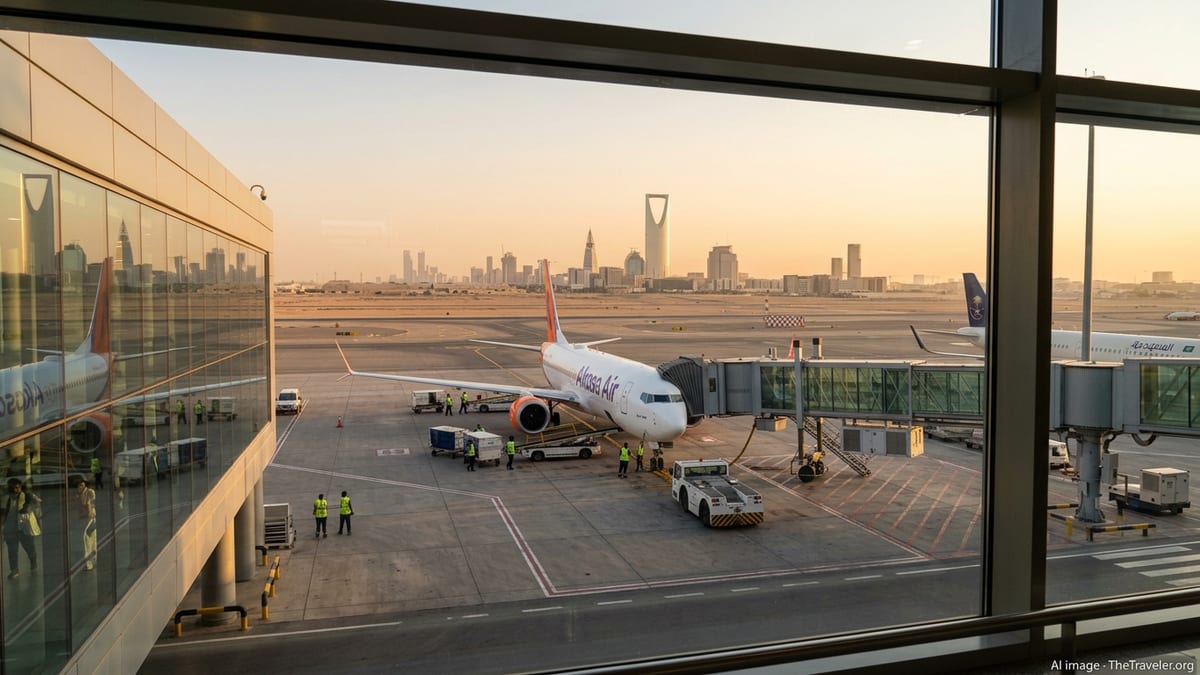
His arrival comes after weeks of speculation over whether the event could proceed as planned. In early October, attacks on King Khalid International Airport in Riyadh and other Saudi aviation facilities raised questions across the sports world about the safety of flying fighters, teams, media and fans into the country. Coverage in boxing and general news outlets indicates that some other large-scale events in the kingdom have been postponed or reshaped in response to the deteriorating security environment.
Despite the uncertainty, promotional material for Riyadh Season and the fight card continues to position the Alvarez Mbilli clash as a showpiece. Local event listings describe a full fight-week program, including fighter arrivals, open workouts and press events in the days leading up to October 31. For now, reports suggest that ticket sales and on-the-ground preparations remain in motion, even as aviation and security planners factor in the elevated risk profile.
Alvarez’s decision to travel to Riyadh appears consistent with earlier public comments from Saudi entertainment officials who said he remained committed to fulfilling the final bout of his multi-fight agreement with Riyadh Season in late 2026. That long-term arrangement has been a key strand in Saudi Arabia’s broader strategy of using major boxing events to draw international visitors.
US travel advisory orders departure of some staff
The fighter’s arrival coincides almost to the day with a sharper tone from Washington. Publicly available information from the US Department of State shows that Saudi Arabia’s travel advisory was updated on October 23, 2026, maintaining the country at Level 3, “Reconsider Travel,” while ordering non emergency US government employees and eligible family members to depart the kingdom due to security risks.
The advisory cites the threat of terrorism and cross border attacks, with particular reference to missile and drone strikes launched from Yemen by Houthi forces. Recent publicly reported incidents have included attacks on civilian airports and other infrastructure, resulting in deaths, injuries and repeated flight disruptions. The updated language warns that additional strikes are possible and that routes into and out of Saudi Arabia may be affected at short notice.
Alongside the country specific notice, a broader Worldwide Caution, most recently updated in July 2026, urges US travelers in the Middle East to exercise heightened vigilance. The global alert notes the potential for flight cancellations, temporary airspace closures and rapid changes to security conditions, a picture that aligns with the current pattern of interruptions experienced in and around Riyadh.
The US Embassy in Riyadh has also issued recent security alerts outlining restrictions on official travel within Saudi Arabia, tighter rules on the use of the country’s airports by mission staff, and reminders that visitors have faced detention for photographing government buildings, transportation hubs and missile or drone impact sites. Those details have become especially relevant as major international events such as the Alvarez Mbilli bout keep drawing foreign audiences to the capital.
Riyadh Season presses ahead with marquee boxing showcase
Within Saudi Arabia, the Alvarez Mbilli clash is framed as a flagship attraction of Riyadh Season, the multi month entertainment festival that runs across the city and features concerts, sporting events and cultural activities. Organizers have marketed the “Mexico vs the World” card as a highlight for visiting boxing fans, building on previous high profile fight nights in the capital that have included heavyweight unification bouts and other world title events.
Riyadh Season promotional outputs describe the October 31 show as part of an effort to turn the city into a recurring global combat sports destination. Local entertainment authorities have invested heavily in temporary arenas, fan zones and surrounding attractions, while travel and hospitality platforms promoted package deals combining event tickets with hotel stays and city experiences earlier in the season.
Reports from regional outlets indicate that, as of late October, the card remains scheduled with a full undercard and supporting activities. Ticketing information published by Riyadh based entertainment guides lists a range of price points and confirms that admission is being handled primarily through digital tickets, with buyers required to register via official platforms before arrival. These details suggest that, at least operationally, the event is proceeding despite the darker security backdrop.
At the same time, coverage in international sports media highlights unease among some trainers, fighters and broadcasters about traveling into a conflict affected airspace. While marquee names such as Alvarez have already arrived, there is ongoing attention on whether all undercard fighters, support staff and production crews will be able to secure flights to Riyadh as commercial carriers continue to review schedules.
Heightened risks for US travelers headed to the fight
For US based boxing fans, the sharpened travel warning creates a complex risk picture. The State Department’s Level 3 advisory means government guidance is to reconsider non essential travel to Saudi Arabia, with particular concern focused on areas near the Yemen border and regions that have seen missile or drone activity. Although Riyadh remains a central hub for international aviation and business, the recent attacks on its main airport underscore that the capital is not insulated from regional tensions.
Publicly available advisories recommend that those who decide to travel enroll in the Smart Traveler Enrollment Program, keep contact information updated with the nearest US embassy or consulate, and prepare contingency plans in case commercial flights are disrupted. Travelers are also urged to monitor reliable news sources and embassy alerts closely for any indication of further airspace restrictions or security incidents, especially in the days immediately before and after high profile events.
The security environment also affects practical aspects of attending the fight. Guidance for US government personnel, which can serve as a useful benchmark for private travelers, highlights the importance of using reputable transport providers, avoiding sensitive sites including military installations and certain government buildings, and refraining from photographing security forces, checkpoints or damaged infrastructure. Those behaviors, according to published embassy information, have previously resulted in detentions.
Insurance considerations present another layer of complexity. Industry bulletins in 2026 have pointed out that some travel and event cancellation policies exclude coverage for war related disruptions or government ordered evacuations. Prospective visitors planning a trip to coincide with the Alvarez Mbilli bout are therefore encouraged by many travel risk consultancies to review policy language closely and confirm what scenarios are covered before committing to non refundable bookings.
Saudi sports ambitions tested by regional instability
Alvarez’s presence in Riyadh under such conditions captures a broader tension between Saudi Arabia’s ambition to position itself as a hub for global sports and entertainment and the realities of a volatile regional security environment. Over recent years, the kingdom has hosted major boxing nights, international football fixtures, motorsport races and professional wrestling events, drawing audiences and participants from around the world.
In 2026, however, that strategy faces new scrutiny. International coverage of the October airport attacks has noted that some high profile events were postponed or relocated, while others, including the October 31 boxing card, remain on the calendar. The mixed picture underscores how organizers, broadcasters and participants are continuously weighing commercial and sporting priorities against safety assessments and diplomatic signals.
For Saudi planners, successfully staging the Alvarez Mbilli fight under tightened security conditions would reinforce a narrative of resilience and continuity for Riyadh Season. For risk analysts and prospective travelers, the same scenario illustrates the degree to which international leisure plans tied to the kingdom now depend on fast moving geopolitical dynamics, military calculations and government advisories that can shift within days.
As fight week unfolds, attention is likely to remain fixed not only on Alvarez’s title defense inside the ring but also on developments outside it, from airline schedule changes to any further adjustments in official travel guidance. Together, those factors will shape whether Riyadh continues to be seen as an attractive, if challenging, destination for fans willing to travel long distances for a night of elite boxing.