


More news on this day
Mexican boxing star Saul “Canelo” Alvarez has arrived in Riyadh ahead of his October 31 world title clash with Christian Mbilli, touching down in Saudi Arabia just days after new Western travel warnings and security alerts focused attention on the risks of flying into the kingdom for major events.
Get the latest news straight to your inbox!
Riyadh welcome for boxing’s biggest draw
Footage shared on social media in the early hours of October 26 showed Alvarez walking through a central Riyadh hotel lobby alongside heavyweight champion Oleksandr Usyk, greeted by performers in traditional Mexican dress and event staff as Riyadh Season festivities ramped up across the city. Event branding for the October 31 card featuring Canelo versus Mbilli has remained prominent in the Saudi capital, with promotional clips highlighting the bout as one of the centerpieces of this year’s entertainment calendar.
The super middleweight contest is scheduled to take place in Riyadh on October 31, with reports indicating a local start time around 3 a.m. on November 1 to accommodate prime-time viewing in North America. Tickets for the event went on sale earlier this month, with boxing media and fan forums noting packages that combine arena seats with hotel stays and international flights targeted at overseas visitors.
Canelo’s arrival appears intended to signal that preparations are on track despite a volatile backdrop. Published coverage indicates that fight-week activities including public workouts, press conferences and weigh-ins are still being organized in Riyadh, even as some international sporting bodies reassess plans for separate events in the country.
Heightened security backdrop after airport attacks
The build-up to fight night is unfolding against a surge in regional tensions centered on Saudi airspace. In early October, a series of missile and drone strikes attributed in public reporting to Houthi forces in Yemen targeted several Saudi airports, including King Khalid International Airport in Riyadh, killing and injuring hundreds of people according to open-source tallies based on official statements.
Detailed accounts on international news and reference sites describe King Khalid International being struck on October 10, with photographs of damaged terminal facilities and grounded aircraft circulating globally. The attacks formed part of a wider campaign that has also hit airports and infrastructure in southern Saudi Arabia this year, intensifying long-running security concerns among foreign governments and airlines.
Saudi authorities have expanded the use of a national early warning system in response. Reports from boxing media based in Riyadh described mobile alerts being pushed to phones in the capital in the early hours of October 26, warning of potential danger shortly after online clips showed Alvarez entering his hotel. While air defenses around major cities are widely reported to have intercepted many incoming projectiles in recent weeks, the disruption to civil aviation and the psychological impact on residents and visitors have been significant.
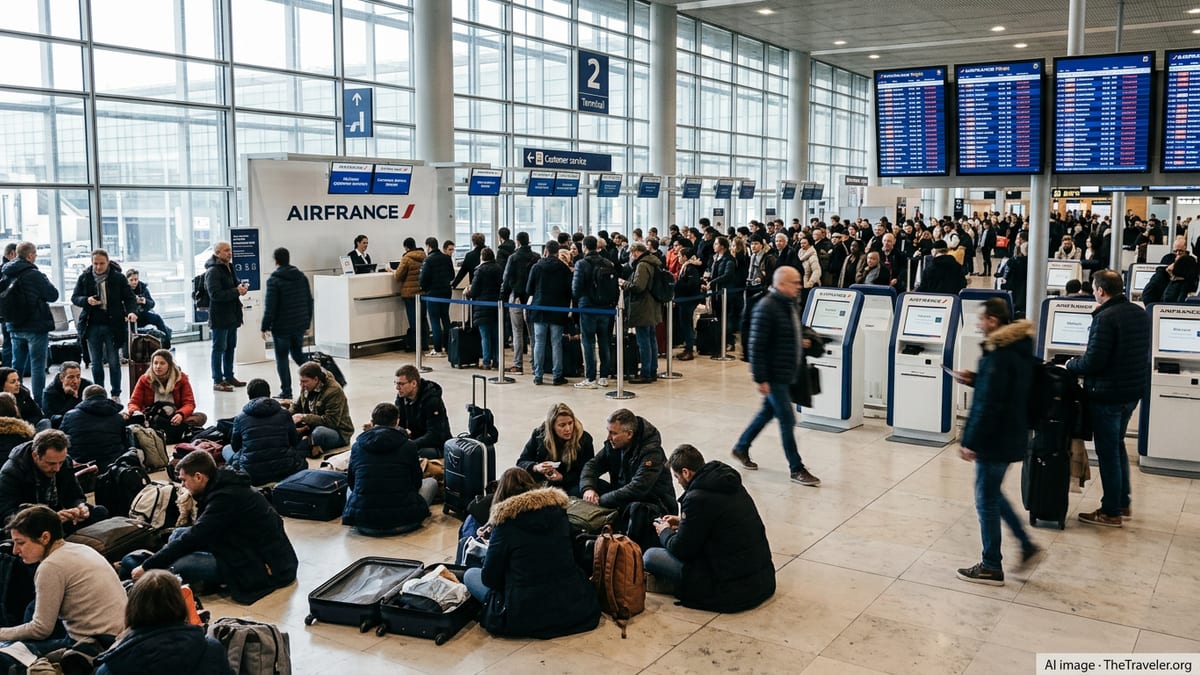
The airport situation is especially sensitive for an event that depends on thousands of spectators, broadcast crews and support staff flying in over a short window. Travel industry sources tracking flight data into Riyadh say schedule changes and temporary suspensions on some regional routes have been noted since the October airport strikes, adding a further layer of uncertainty for fight fans making late travel arrangements.
Western travel advisories turn to ‘reconsider travel’
In parallel with the security incidents, Western governments have moved to tighten their guidance on travel to Saudi Arabia. The United States elevated its advisory for the kingdom to Level 3, “Reconsider travel,” in an update dated October 12 and expanded on October 23, citing risks from armed conflict, terrorism, drone and missile activity and local legal restrictions. The advisory includes specific language about threats to airports and notes that non-emergency U.S. government personnel and their families have been ordered to depart Saudi Arabia.
The United Kingdom’s foreign travel advice for Saudi Arabia has also been revised following the October 10 strike on King Khalid International Airport. The updated guidance cites a heightened threat of further attacks against airports and related infrastructure, urging British nationals to stay away from King Khalid International in the aftermath of the incident and flagging broader risks in several regions of the country.
Canada’s official travel advice, updated on October 22, warns against all travel to King Khalid International Airport in Riyadh and King Fahd International Airport in Dammam due to ongoing military activity disrupting operations. The Canadian advisory also assigns an “avoid non-essential travel” level for Saudi Arabia more broadly, referencing conflict-related risks and limited consular capacity in a crisis.
Aggregated advisory trackers that compare positions from the United States, United Kingdom, Canada and Australia show a clear tightening of official risk assessments for Saudi Arabia over October, moving the country into a space where multiple governments advise avoiding non-essential trips even as high-profile sports and entertainment events continue to be promoted in Riyadh.
Fans weigh spectacle against safety and insurance risks
The clash between Canelo and Mbilli was conceived as another flagship attraction in Saudi Arabia’s global sports push, following previous boxing mega-events and mixed martial arts cards backed by Riyadh Season. For international fans, however, the most recent travel warnings have turned what might have been a straightforward long-weekend trip into a more complex calculation involving safety thresholds, travel insurance, and employer or family obligations.
Online discussions among prospective travelers from Europe and North America highlight concerns that official “avoid non-essential travel” advisories from home governments can invalidate standard travel insurance policies if visitors choose to proceed regardless. Commenters on fan forums have compared the perceived risk profile of flying into Riyadh in late October with previous decisions by other sports organizations to relocate or postpone events in the region when security conditions deteriorated.
Price comparisons shared publicly in recent weeks suggested that some package deals for the October 31 card undercut typical costs for major Las Vegas title fights, with European fans citing sample itineraries that include flights, hotel rooms and event tickets for sums that they describe as substantially lower than equivalent weekends in the United States. Even so, the added uncertainty around flight operations and insurance coverage is prompting some would-be attendees to hold off on booking or to look instead at viewing parties in their home cities.
Travel industry commentators note that, beyond the legal and insurance dimensions, many travelers are simply reassessing their tolerance for flying into a city where airports have been recent targets. Published analyses point out that while the statistical likelihood of being caught in an attack remains low, the visible nature of recent incidents and the heavy media coverage around them weigh heavily in individual risk assessments.
Event organizers press ahead amid scrutiny
Despite the shifting travel landscape, organizers and partners attached to the October 31 card have so far indicated through public messaging that the event will proceed as planned in Riyadh. Promotional material shared by Saudi entertainment authorities and broadcasters continues to emphasize the fight as a global showcase, while boxing sanctioning officials have publicly expressed confidence about traveling to the kingdom and framed sport as a bridge during periods of tension.
At the same time, the continuation of the event is attracting scrutiny from analysts who track the intersection of sport, politics and security. Commentaries in specialist boxing outlets and broader sports business publications question whether the combination of Level 3 advisories, recent airport strikes and embassy drawdowns is compatible with staging one of the year’s biggest combat sports events in front of a live international audience.
For travelers, the key practical issue is that tickets and hospitality packages remain on sale, but the environment in which those purchases are made has changed notably over the past three weeks. Prospective visitors weighing up a trip to see Alvarez and Mbilli box in person now have to factor not only flight prices and hotel availability but also whether their chosen airline is maintaining its full schedule, what their insurance policy covers under the latest advisories, and how comfortable they feel navigating a city that has recently activated its emergency alert system for incoming threats.
With fight week about to begin, Canelo’s presence on the ground in Riyadh underscores the determination of organizers and fighters to carry on. For international fans and travelers, the decision of whether to join them in the Saudi capital has become a far more personal and finely balanced judgment than when the bout was first announced.