


More news on this day
Mexican boxing star Saul “Canelo” Alvarez has arrived in Riyadh ahead of his October 31 world title clash with Christian Mbilli, touching down in Saudi Arabia despite heightened security tensions and fresh travel warnings from Western governments.
Get the latest news straight to your inbox!
Arrival in Riyadh as fight week begins
Alvarez flew into the Saudi capital at the start of fight week, with images and video circulating in international sports coverage showing the four-division champion entering his Riyadh hotel and greeting event staff. Reports indicate he landed several days ahead of the official grand arrivals, a move interpreted in boxing coverage as a signal that the bout remains on track despite regional instability.
The 36-year-old is set to challenge Cameroon-born Canadian Christian Mbilli for the WBC super middleweight title on Saturday, October 31, at an arena in Riyadh. The contest headlines the “Mexico vs the World” card that has been heavily promoted as part of Saudi Arabia’s ongoing strategy to host major international boxing events.
Published previews from outlets including sports broadcasters and regional newspapers describe Alvarez as “rested and ready” after his journey, noting that he has not fought since his last title defense in September of the previous year. The Riyadh bout marks his return to the ring in a new geographic and political climate, with the Middle East conflict now directly affecting travel and logistics.
Coverage from boxing specialist sites and regional media notes that other fighters scheduled on the undercard, including boxers from Mexico, Japan and Europe, have also begun arriving in the Saudi capital, reinforcing expectations that the show will proceed as planned.
Travel warnings highlight security risks for visitors
Alvarez’s arrival comes as the United States maintains a Level 3 “Reconsider Travel” advisory for Saudi Arabia, urging citizens to avoid non-essential trips because of the risk of missile and drone attacks, potential disruptions to flights, and the possibility of sudden airspace closures. The advisory, updated this month, follows a series of attacks linked to the Yemen-based Houthi movement that have targeted infrastructure in the kingdom.
Publicly available information from Western governments details recent strikes on airports and energy facilities, and notes that civilian airports have been named as potential targets. In parallel, diplomatic missions have ordered the departure of some non-emergency staff and family members from Saudi Arabia, citing security concerns and the unpredictable nature of the current situation.
United Kingdom travel guidance also warns against non-essential travel to parts of Saudi Arabia and highlights elevated risks connected to regional hostilities. While Riyadh is not among the areas subject to the strictest restrictions, official advisories emphasize that attacks have previously reached major cities and critical infrastructure.
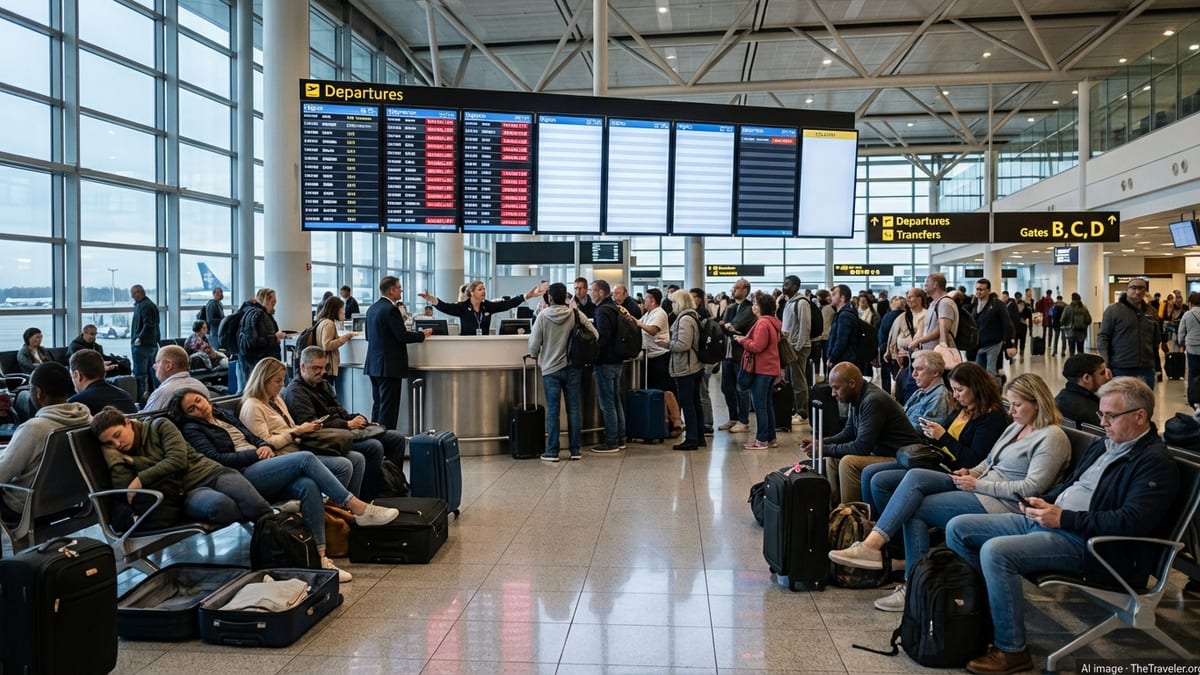
For travelers, including fans and media planning to attend the fight, these warnings translate into a volatile operating environment. Airline schedules into Riyadh have tightened, and boxing commentators report that some visitors are routing through neighboring countries and continuing by road to reduce potential disruption if airspace conditions change at short notice.
Event proceeds amid cancellations elsewhere
The Canelo–Mbilli card is moving ahead at a time when other sporting and entertainment events in Saudi Arabia have been postponed or canceled because of security assessments. Regional news outlets and sports reporters describe a mixed picture, with some concerts and smaller tournaments delayed, while flagship boxing and football fixtures remain on the calendar.
According to published coverage, Saudi organizers have reiterated their intention to stage the October 31 show in Riyadh, framing it as part of the broader “Riyadh Season” slate of international events. The commitment to proceed has drawn both praise from fans eager to see the fight and criticism from observers concerned about the risk profile for participants and spectators.
Reports on the boxing undercard suggest that not every planned matchup has survived the tightening security environment. At least one title fight involving a North America based contender has been reported as off the card after the fighter remained in the United States without confirmed travel plans, underscoring the logistical and personal calculations now factoring into participation.
Despite these headwinds, promotional material and broadcaster schedules still list the Canelo–Mbilli bout for Saturday night in Riyadh, with ring walks expected late in the evening local time and live broadcasts timed for morning or early afternoon in the Americas and Europe.
What the situation means for international travelers
The juxtaposition of a global boxing showcase with serious travel advisories has sharpened focus on what visitors might encounter on the ground. Travel guidance from multiple governments advises anyone traveling to Saudi Arabia to register with consular services, monitor local media, and be prepared for sudden changes in airport operations or flight availability.
Analysis in travel and security publications notes that the primary risks for short term visitors are indirect: flight diversions, temporary airport closures, or delays caused by security alerts. While entry procedures at Riyadh’s main international airport remain operational, there is heightened screening and a visible security presence, according to descriptions from recent travelers quoted in media reports.
For fans who have chosen not to travel, international broadcasters and streaming platforms are positioning the fight as a made for television spectacle, reducing pressure on foreign attendance. Ticketing details made public by promoters show strong emphasis on local and regional spectators, with hospitality packages marketed heavily inside the Gulf region.
Travel industry observers point out that the event serves as a test of how Saudi Arabia’s growing role as a host for major sports fits with a more uncertain security climate. The experience of visitors to the Canelo–Mbilli bout could shape perceptions of future trips to the kingdom, both for sports tourism and for broader leisure and business travel.
Boxing’s global ambitions meet geopolitical tension
Alvarez’s decision to proceed with the fight in Riyadh reflects boxing’s increasingly global calendar, in which large appearance fees and site deals draw marquee bouts to emerging host nations. Over the past several years, Saudi Arabia has invested heavily in staging high profile cards featuring heavyweight champions and pound for pound stars, positioning itself as a central hub for the sport.
Commentary in international sports media notes that this model carries reputational and practical risks when host countries become the focus of geopolitical tension. Fighters, trainers, broadcasters and fans must weigh financial and sporting opportunities against safety concerns and the possibility of rapid changes in the security environment.
For Canelo, the Riyadh date offers another chance to add to his legacy at super middleweight by challenging an in form titleholder in Mbilli. For Saudi Arabia, successfully delivering the event under current conditions would bolster its narrative as a resilient destination able to stage global spectacles even during periods of regional strain.
As fight week progresses, attention will center not only on weigh ins, media workouts and tactical storylines, but also on any further developments in the travel and security picture. For now, publicly available information indicates that Alvarez is in Riyadh, preparations are underway, and one of boxing’s biggest stars is pressing ahead with a title challenge in a city that remains under the shadow of a travel warning.