


More news on this day
Saul “Canelo” Alvarez has arrived in Riyadh ahead of his October 31 WBC super middleweight title defense against Christian Mbilli, touching down in the Saudi capital just as heightened security alerts and evolving travel advisories complicate plans for thousands of visiting boxing fans.
Get the latest news straight to your inbox!
Fight week begins in Riyadh under tighter security
Published coverage from Riyadh indicates that Alvarez landed in the city on Monday, October 26, walking through a central hotel lobby in front of cameras and event staff as Riyadh Season organizers reaffirmed that the bout remains scheduled for Saturday, October 31, at The Venue in the Saudi capital. The arrival effectively opens fight week for what local promoters have billed as the centerpiece of this year’s Mexico vs The World boxing card.
Reports indicate that this is the final contest of Alvarez’s four-fight agreement tied to Riyadh Season, the state-backed entertainment festival that has turned the city into a recurring host for major combat sports events. The Mbilli bout, with Alvarez’s WBC super middleweight title on the line, is widely viewed as both a sporting climax and a test of whether Saudi Arabia can keep high-profile fixtures on track during a period of regional tension.
Images and video clips shared on social platforms show Alvarez arriving alongside members of his team and other headline fighters expected to appear on the undercard, with event branding visible throughout the hotel and nearby fan zones. Organizers have not announced any changes to the fight date or venue since confirming the October 31 slot, even as other events on the Riyadh Season program have been postponed or shifted.
Local outlets in Riyadh describe an increased security footprint around hotels and event sites, including more visible checkpoints and screening at major venues. For now, public information suggests that restrictions are focused on access controls and movement around sensitive locations, rather than blanket curfews or limitations on fan activities in commercial districts.
Travel advisories and airport warnings shadow the card
The fight is proceeding against a backdrop of higher-risk travel advisories for Saudi Arabia. According to recent public guidance from the United States, the kingdom is currently under a Level 3 “Reconsider Travel” advisory, with specific concern about the risk of drone and missile attacks and the potential targeting of critical infrastructure, including airports.
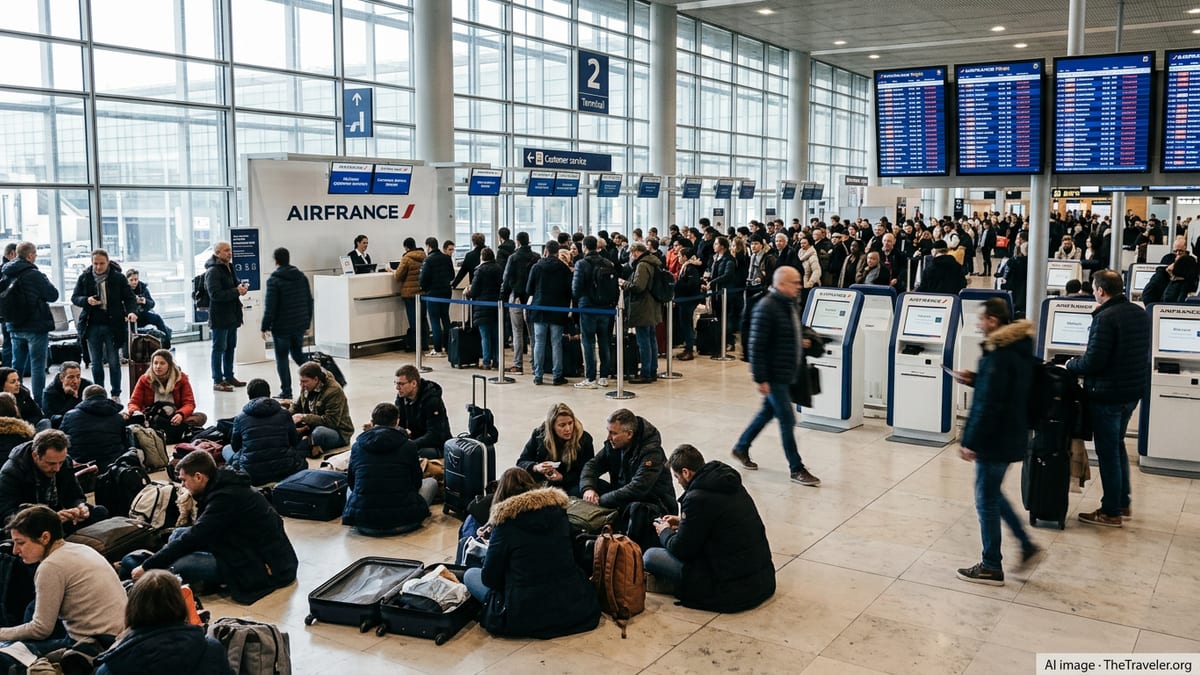
In recent weeks, missile and drone strikes reported near Riyadh’s King Khalid International Airport have led several international airlines to suspend or curtail services into the city for parts of October. Published coverage citing airline statements shows that some European and Gulf carriers paused flights into Riyadh or Dammam for days at a time, with end dates varying by airline and subject to further review depending on developments.
Separate security alerts from the U.S. Mission in Saudi Arabia, as summarized in open reports, now require special authorization for embassy personnel to use any airport in the country and warn travelers that U.S. citizens have previously been detained for photographing government buildings, airports, and attack impact sites. These warnings have raised the stakes for visiting fans, especially those planning airport transfers in and out of Riyadh during fight week.
Other governments have also updated advice. Canadian travel guidance, for example, urges citizens to avoid non-essential trips to Saudi Arabia and to avoid all travel to King Khalid International Airport following recent attacks. The effect has been a patchwork of risk assessments that travelers must review carefully before committing to itineraries built around the Canelo Mbilli card.
Fans juggle tickets, flights and insurance amid uncertainty
Ticket sales for Canelo vs Mbilli opened several weeks ago through an official Saudi platform, with entry-level prices reported from around 50 Saudi riyals for upper-tier seating. Information published by event partners indicates that tickets are issued as mobile passes, requiring attendees to download and register with the designated app before arrival in the kingdom.
With flight schedules in flux, prospective visitors are weighing whether to proceed. Travel media and boxing outlets note that some fans are exploring multi-leg routings that avoid currently affected hubs, while others have shifted to refundable tickets and flexible hotel rates. Travel insurance policies that include explicit coverage for security-related disruption, airspace closures, or event cancellation have become a focus for many international buyers, though coverage terms vary by provider and some insurers classify conflict-linked disruption differently from standard trip interruption.
Accommodation in central Riyadh, particularly around the main Riyadh Season zones and business districts, is reported to be busier than usual for late October but not at typical mega-event saturation levels. This reflects both the continued draw of the bout and hesitancy among some international travelers who are monitoring the situation day by day rather than booking months in advance.
For fans who do travel, publicly available guidance stresses the importance of registering with consular services where available, keeping digital and printed copies of passports and visas, and allowing extra time for security checks when moving between hotels, venues and the airport. Travelers are also being advised to monitor local news and official messaging channels for any last-minute changes to airspace status or event logistics.
Riyadh Season’s tourism ambitions tested by regional risks
The Canelo Mbilli card forms part of Riyadh Season, a multi-month slate of sports, music and cultural events launched to position the Saudi capital as a global entertainment hub. Since its introduction in 2019, Riyadh Season branding has been attached to heavyweight boxing matches, mixed martial arts events, major football fixtures and large-scale concerts designed to pull in international visitors and diversify the national economy.
In previous editions, headline boxing nights featuring stars such as Tyson Fury, Oleksandr Usyk and Anthony Joshua drew worldwide attention to newly built arenas and fan zones along Riyadh’s entertainment boulevards. The Alvarez Mbilli showdown was expected to extend that track record, reinforcing Saudi Arabia’s reputation as a host willing to fund high-profile cards that might be harder to stage elsewhere.
Recent security developments have already had an impact on the wider calendar. Reports from sports outlets show that the Six Kings Slam, a high-profile tennis exhibition originally slated for late October, was postponed to late December, making the boxing card one of the few major international sporting events still proceeding in the city this month. Analysts following the situation note that how this week’s events unfold will influence future negotiations with promoters and federations considering Saudi venues.
Tourism strategists observing Riyadh Season point out that sustaining visitor confidence is central to the initiative’s long-term goals. High-visibility events that proceed smoothly under tighter security can bolster the perception that the city can manage complex logistics, but any disruption affecting spectators or travel infrastructure would likely prompt renewed scrutiny of the model.
What visiting fight fans should know on the ground
For travelers who have decided to attend Canelo vs Mbilli in person, practical details are shifting alongside the security conversation. According to publicly available information, most spectators will arrive via King Khalid International Airport, approximately 35 kilometers north of central Riyadh, then continue by taxi, ride-hailing service or pre-arranged shuttle to hotels and, later, to The Venue.
Local coverage stresses that visitors should check, shortly before departure, whether their airline has altered schedules or moved operations to alternative airports in the region. Given the recent requirement for some diplomatic personnel to seek special authorization for air travel within Saudi Arabia, commercial passengers are being advised to retain contact details for airlines and to monitor flight status notifications closely in the 24 hours before and after the event.
Within the city, travelers can expect a visible security presence around principal Riyadh Season sites, main shopping districts and hotel clusters that traditionally host athletes and officials. Bag checks at entrances, traffic diversions on fight night and occasional temporary closures of nearby roads have all been reported at past mega-events in the city, and local media suggest similar arrangements around The Venue and surrounding fan areas this week.
At the arena itself, published ticketing guidance urges attendees to arrive well in advance of the main event ring walks, to carry valid identification alongside mobile tickets, and to avoid bringing professional camera equipment or attempting to film sensitive locations while moving to and from the site. Spectators are also encouraged to familiarize themselves with designated exit routes and any venue-specific safety announcements once inside.