


More news on this day
Escalating security alerts for Saudi Arabia are casting a long shadow over WWE’s upcoming Crown Jewel event in Riyadh, as renewed missile attacks and stricter travel warnings fuel unease among performers and traveling fans.
Get the latest news straight to your inbox!
Heightened Warnings Ahead of Riyadh Event
Crown Jewel 2026 is scheduled for November 7 at Riyadh Season Stadium in the Saudi capital, a tentpole stop on WWE’s multi‑year partnership with the kingdom. The premium live event is slated to bring top stars from the Raw and SmackDown brands, along with production crews and international fans drawn by the spectacle.
The build‑up this year is unfolding against a far more volatile security backdrop than usual. In October, Houthi forces based in Yemen escalated a campaign of missile and drone strikes against Saudi infrastructure, including repeated hits on airports used by commercial carriers. Publicly available information shows that King Khalid International Airport in Riyadh has been struck at least twice this month, with Saudi aviation authorities reporting more than a dozen fatalities and hundreds of injuries in one incident.
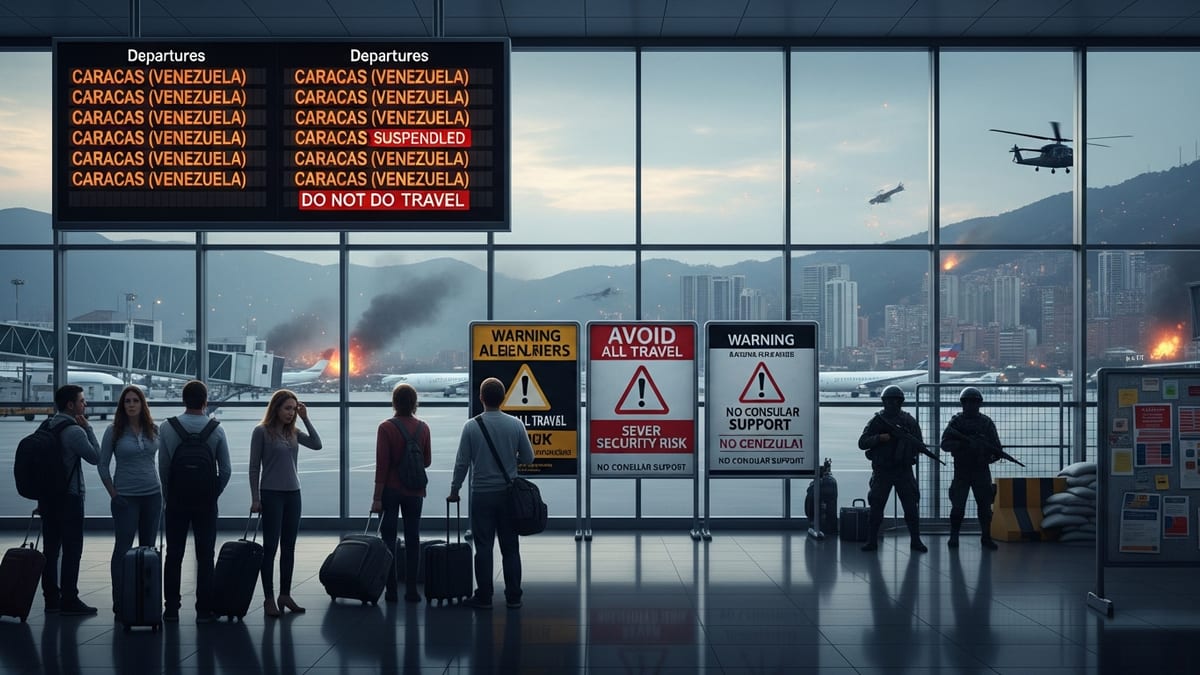
In response, the United States raised its Saudi Arabia travel advisory to “Do Not Travel” on October 23, 2026, citing the risk of drone and missile targeting, armed conflict and terrorism. The advisory warns of potential attacks on airports, airspace closures, flight cancellations and sudden travel disruptions, significantly increasing the perceived risk for any major international event held in the kingdom.
These developments come just as WWE finalizes logistics for flying talent, staff and equipment into Riyadh, creating a tense countdown to the show date.
U.S. Alerts and Embassy Moves Rattle Plans
The travel advisory shift has been reinforced by a series of security messages from the U.S. Embassy in Saudi Arabia. Recent alerts have urged U.S. citizens in the country to be prepared for attacks on airports and to expect possible airspace closures with limited notice. One alert followed an order that U.S. government personnel obtain special authorization to use Saudi airports, underscoring official concern about aviation‑related risks.
Coverage in outlets such as Sports Illustrated, Fightful and Cageside Seats indicates that these warnings landed just weeks before WWE personnel are due to travel. Reports describe a complex picture in Riyadh: airports have announced partial reopenings for some domestic and international flights after attack‑related shutdowns, even as security advisories caution that previous closures could be repeated without warning.
This combination of partial normality and persistent threat has immediate implications for a live event built on rigid timing. Any last‑minute airspace closure could strand performers or broadcast staff in transit, disrupt television distribution, or delay equipment shipments. For fans traveling from the United States and Europe, the evolving guidance raises stark questions about whether to proceed with long‑planned trips to Riyadh or to cancel while refunds and alternative plans are still feasible.
Publicly available schedules show WWE continuing to advertise Crown Jewel for November 7 in Riyadh, with no formally announced change to location or date, even as analysts note that contingency planning appears to be underway behind the scenes.
Locker Room Anxiety and Memories of Past Tensions
The official schedule remaining intact contrasts with what wrestling‑industry coverage describes as significant unease among WWE talent. Reports from Yahoo Sports and specialist wrestling media indicate that some performers are “unhappy” about traveling to Saudi Arabia under current conditions, particularly those with young families or prior negative experiences on Saudi tours.
Memories of earlier controversies are informing the current mood. In 2019, a mechanical issue and air traffic constraints left a charter flight carrying dozens of WWE performers grounded for hours after a Crown Jewel event, sparking widespread speculation and leading some wrestlers to describe feeling as if they were being held in limbo. In 2022, Crown Jewel went ahead in Riyadh only days after outside reporting on intelligence suggesting a potential Iranian attack on Saudi targets, another instance where global tensions intruded on what was billed as a sports‑entertainment showcase.
Long‑term critics of WWE’s Saudi partnership, including some former performers, have pointed to the latest attacks on Riyadh’s airport as evidence that safety concerns are no longer hypothetical. Wrestling news outlets note that the current wave of strikes is directly targeting the aviation infrastructure that talent and fans depend on, rather than remote facilities away from major cities.
Within this context, the recently heightened U.S. advisory level and embassy messaging are being closely parsed in locker rooms and production meetings alike, as those involved weigh lucrative appearance fees against the perceived personal risk of making the trip.
Event Economics Versus Risk Calculus
Public reporting on WWE’s expanded deal with Saudi Arabia, signed in 2019, indicates that the company is contracted to stage two major events per year in the kingdom through at least 2027. Industry analysts have estimated that Crown Jewel‑scale shows can be worth tens of millions of dollars in rights and hosting fees for each outing, making them a core driver of the company’s international revenue.
This financial context explains why, even as travel advisories harden and missile attacks continue, coverage from wrestling business analysts suggests that WWE’s corporate stance remains focused on proceeding as planned while “monitoring the situation.” TKO Group leadership has recently emphasized the existence of detailed contingency planning and dedicated security contractors with regional expertise, framing the current environment as challenging but manageable.
For talent and traveling fans, the calculus is more personal. While corporate risk assessments focus on contractual obligations and broadcast windows, individual decisions hinge on family considerations, insurance coverage, and confidence in evacuation or shelter‑in‑place plans if the security picture deteriorates while they are in Riyadh. Some performers have previously negotiated the right to skip Saudi events for personal or ethical reasons, and recent reporting suggests there is renewed interest in exercising such options where they exist.
Travelers considering a trip for Crown Jewel are being urged by public advisories to monitor official guidance daily, register with consular services where eligible, and consider backup itineraries that avoid tight connections or routes most exposed to disruption if airspace is suddenly restricted.
What Visitors to Riyadh Should Expect Now
For those who still plan to attend Crown Jewel, the current security climate means a different kind of trip to Riyadh than in previous years. Recent advisories highlight an increased military presence around key infrastructure, more frequent security screenings at airports and major venues, and the possibility of rapid changes to airport operations if new missile or drone activity is detected.
Travel.State.Gov’s latest Saudi country page emphasizes a range of risks beyond aerial attacks, including terrorism, local legal strictures and the possibility of exit bans that can temporarily prevent individuals from leaving the country. Travelers are encouraged to carry identification at all times, remain aware of the legal environment regarding public conduct and social media, and avoid photographing military or security installations, particularly in light of the ongoing conflict and the sensitivity around documenting missile or drone interceptions.
Inside Riyadh, day‑to‑day life in business districts and shopping areas reportedly continues with a degree of normalcy, even as residents and visitors keep one eye on news of regional tensions. For tourists, that can translate into open restaurants, malls and attractions, but with a heightened sense of caution and a need for flexibility in case of sudden disruptions.
With Crown Jewel 2026 now days away, the convergence of a marquee entertainment event and a fluid security environment has placed WWE, its performers and its audience in an unusually exposed position. Whether the show ultimately proceeds exactly as planned, is modified, or is relocated at the last minute, the debate swirling around it has already reshaped how many in the wrestling world think about Saudi Arabia as a destination.