


More news on this day
Rail passengers using Greater Anglia services around Stansted Mountfitchet have been urged not to travel after a fallen tree brought down overhead power lines, causing severe disruption across part of the operator’s network during a stormy late October weekend.
Get the latest news straight to your inbox!
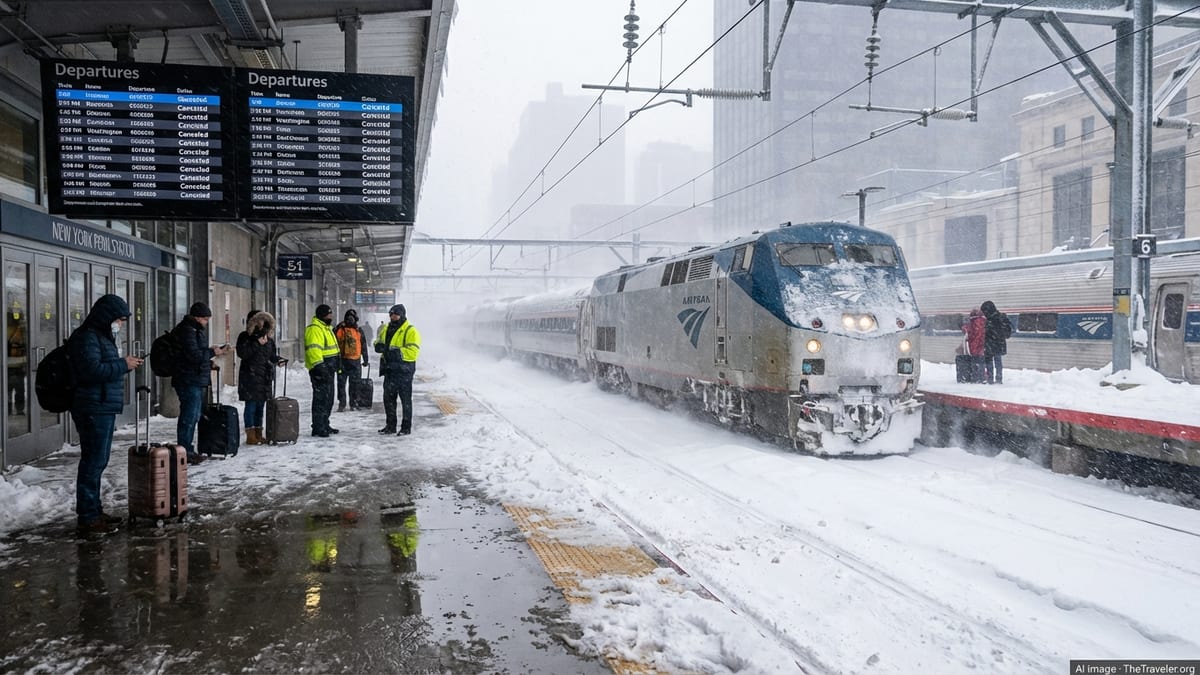
Storms bring tree down near Stansted Mountfitchet
Reports indicate that a tree fell onto the railway near Stansted Mountfitchet on Saturday 24 October 2026 during high winds linked to Storm Austen and Storm Boelo. Coverage from regional and specialist rail outlets describes the incident on the route between Bishop’s Stortford and Stansted Airport, where the line was blocked and power to the overhead wires was affected.
According to published information, the disruption hit one of the key links between London Liverpool Street, Bishop’s Stortford, Stansted Airport and destinations further north towards Cambridge and Audley End. The section is heavily used by both Greater Anglia stopping services and fast Stansted Airport trains, meaning that a single obstruction quickly translated into widespread delays and cancellations.
National rail updates cited the fallen tree and damaged power supply as the primary cause of the breakdown in services. With winds continuing through the day and engineers needing safe access to the line, services could not simply be restarted once the tree was identified, prolonging the impact on passengers heading to and from the airport.
Rail industry summaries for the weekend describe a broader pattern of weather related problems across the East of England, with multiple fallen trees and damage to overhead line equipment. The Stansted corridor was among the hardest hit because of its intensive timetable and dependence on electric traction.
Do not travel message issued for affected route
Publicly available information shows that Greater Anglia advised passengers not to travel on the stretch between Bishop’s Stortford and Stansted Airport for the rest of the affected day. The do not travel wording was highlighted in local news reports and travel bulletins, reflecting the combination of blocked tracks, power problems and very limited alternatives by rail.
Journey planners and disruption feeds indicated that trains were cancelled or heavily delayed on services linking Bishop’s Stortford, Stansted Mountfitchet, Stansted Airport and Audley End. Some reports pointed to passengers being stranded on trains earlier in the incident, underlining why the operator moved to a more cautious message as the scale of the damage became clear.
National travel advice for the same weekend warned that Storm Austen and Storm Boelo could cause broader disruption across eastern and southern England. In that context, the decision to discourage all but essential journeys on the airport corridor was framed as a safety and reliability measure, rather than an isolated problem with one train.
While rail operators in the United Kingdom sometimes attempt to maintain reduced services during severe weather, coverage of this incident indicates that the combination of a fallen tree, damaged overhead wires and ongoing high winds left very limited scope to run a meaningful timetable on the Stansted route.
Knock on impacts for Stansted Airport and East of England travel
The fallen tree incident came at a sensitive point for travellers using Stansted Airport, which relies heavily on rail links from London and the wider East of England. Regional reporting notes that disruption on the line between Bishop’s Stortford and Stansted hindered not only airport bound passengers from the capital, but also those connecting from stations such as Cambridge, Ely and other parts of the Greater Anglia network.
For many travellers, the advice not to travel by train meant having to reorganise journeys at short notice, switch to coach or bus services, or arrange private road transport. Public guidance from national rail information services encouraged passengers to check their journey before setting out and to allow significantly more time if they needed to reach the airport during the affected period.
Travel coverage over the same weekend points to additional storm related problems on Greater Anglia routes elsewhere in the region, including damage to overhead lines between Colchester and Ipswich and earlier tree related disruption between Beccles and Lowestoft. Taken together, these incidents created a challenging picture for anyone attempting to move around the East of England by rail, particularly those with flight connections or time sensitive plans.
There is currently no single consolidated estimate of how many journeys were affected by the Stansted corridor disruption, but the combination of weekend leisure travel, airport traffic and routine regional trips suggests a significant number of passengers experienced cancellations, diversions or extended delays.
Alternative options and passenger rights
In similar situations on its network, Greater Anglia has arranged ticket acceptance on local bus routes or rail replacement buses, and has advised that some e-tickets and advance tickets can be used on earlier or later trains when booked services are cancelled. For the Stansted incident, publicly accessible disruption pages focused primarily on the do not travel message, while broader guidance from the operator explains how customers can rebook or claim refunds when severe disruption occurs.
National Rail’s general guidance for weather related incidents states that passengers whose trains are cancelled or significantly delayed may be entitled to a refund or compensation under the relevant delay repay scheme. Where do not travel warnings are issued and customers choose not to attempt their journey, refund processes are typically available via the original retailer or operator, even if services are technically still running on other parts of the network.
Travelers with flights booked from Stansted who were unable to reach the airport by rail were advised in public information sources to contact their airline for guidance if they missed departures as a result of the rail disruption. Airlines and travel insurers have differing rules about compensation or rebooking when journeys are affected by weather and infrastructure problems on ground transport, making it important for passengers to check individual terms.
For future trips, journey planners and live service alerts remain key tools for anyone relying on Greater Anglia or other UK operators during periods of unsettled weather. Enabling notifications on official apps or checking service alteration summaries for the day of travel can give early warning if similar problems emerge on key airport or intercity routes.
Continuing weather risks on the Greater Anglia network
The late October incident near Stansted Mountfitchet is part of a wider pattern of weather related challenges for rail operators in the East of England. Recent storms have brought high winds, heavy rain and multiple reports of fallen trees on or near the tracks, from Norfolk and Suffolk through to Essex and Hertfordshire.
Official journey update pages for Greater Anglia in the days around the Stansted event list several tree related incidents, including a tree on the line between Beccles and Lowestoft on 26 October 2026 and a separate obstruction at Eccles Road affecting services between Norwich and Cambridge. In those cases the line reopened, but residual delays continued while timetables were restored.
Rail industry analyses of autumn and winter performance frequently highlight the combined effect of strong winds, saturated ground and lineside vegetation on route reliability. Trees close to the railway can fall onto tracks or power lines, branches can damage overhead equipment, and leaf fall can reduce adhesion, forcing operators to amend timetables and driving techniques.
For Greater Anglia passengers, this translates into a period each year when extreme weather can quickly disrupt what is otherwise a high frequency timetable, particularly on electrified corridors such as those serving Stansted Airport, Cambridge, Norwich and Ipswich. As the storm season continues, travellers across the East of England are being reminded through public channels to build extra time into journeys, check live updates before departure and be prepared for last minute changes if severe weather impacts the network again.