


More news on this day
Carnival Cruise Line is revising departure and arrival times across 46 sailings in 2025 and 2026, prompting guests to double check their cruise documents and reconsider tightly timed flight and shore plans.
Get the latest news straight to your inbox!
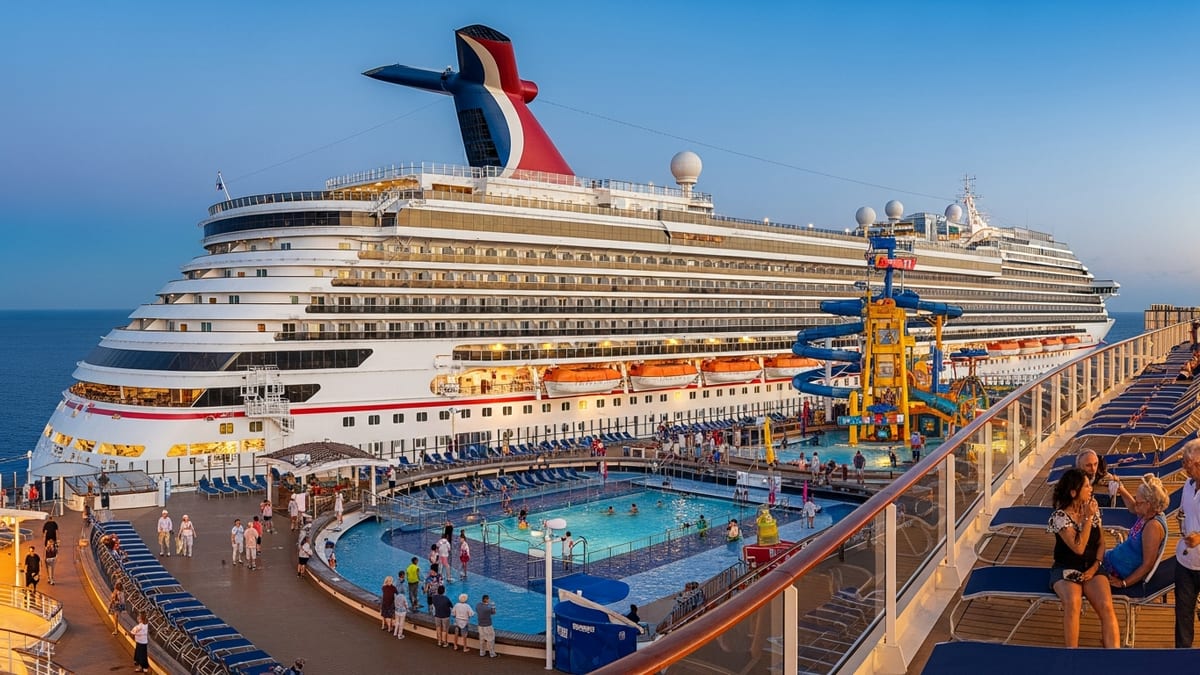
Network of Itinerary Tweaks Spans Multiple Ships
According to recent cruise industry coverage, Carnival’s latest round of schedule changes affects a mix of ships and regions rather than a single vessel or homeport. The adjustments range from modest shifts of an hour at embarkation or final arrival, to revised evening sail-aways from select ports of call.
Publicly available information indicates that some of the affected departures are tied to longer-term itinerary reshaping that Carnival has been rolling out across its fleet for 2025 through 2027. On certain voyages, the day and time spent in port remain largely intact, while the all-aboard cutoffs and advertised departure times move slightly earlier or later.
Industry analysts suggest these changes are part of an ongoing effort by major cruise brands to fine-tune port operations, berth availability and fuel efficiency. By leaving slightly earlier from congested ports, or staggering arrival times alongside other lines, cruise operators can reduce delays and reposition ships more predictably across busy seasonal schedules.
While no sweeping route cancellations are tied to the 46 departures in question, the pattern underlines how fluid cruise scheduling has become, with cruise lines frequently updating voyage details months or even years in advance of sailing.
What Changes Mean for Embarkation and “All Aboard” Times
For travelers, even a one hour shift in the published sail-away or return time can have practical consequences. Embarkation windows, security screening periods and the latest possible check-in times are all pegged to the official departure listed on each booking, so a new time can alter when guests need to be at the terminal.
Cruise-focused outlets note that Carnival’s standard requirement is for guests to be fully checked in well before departure, with boarding closing in advance of the stated sail-away. When a departure is moved forward, that buffer moves with it, shrinking the margin for late-arriving passengers who may be contending with traffic, airport delays or large-scale events near the port.
On the return side, revised arrival times can complicate plans for early flights home. If a ship now docks an hour later than originally scheduled, guests who booked morning air connections on the assumption of an early arrival may find themselves needing to adjust transportation or accept a tighter transfer window.
Travel advisors generally recommend leaving a generous cushion between a ship’s expected clearance time and any outbound flight, and the latest wave of schedule updates underscores why conservative planning is often safer than aiming for the earliest plane out.
Impact on Shore Excursions and Independent Plans
The departure time changes can also reshape how long guests actually spend ashore. Even when the advertised port call remains on the same day, a shift in arrival or sail-away can carve time from morning exploring or compress late afternoon activities.
Reports from cruise planning forums indicate that passengers who have booked independent excursions, taxis or rental cars are among those most affected. Third-party tours typically operate on local time and may not automatically adjust to a cruise line’s revised schedule, leaving travelers responsible for reconfirming departure and return windows.
Cruise planners point out that shore excursions purchased through the line tend to be more insulated from these tweaks, because their timing is designed around the updated ship schedule. Guests who prefer arranging private tours are being urged to cross-check their new itineraries against tour operator times and to build in additional buffer to avoid cutting it close to all-aboard.
For popular warm-weather sailings that involve tender ports or heavily trafficked piers, even minor time changes can have a ripple effect, influencing when crowds move through gangways, how long lines are for shuttles and the overall pace of a day in port.
Why Cruise Lines Are Recalibrating Schedules
The cluster of 46 revised sailings is part of a wider pattern of schedule recalibration across the cruise industry. Published coverage highlights several underlying drivers, from tighter port congestion management to evolving environmental requirements that reward slower, more fuel-efficient sailing speeds.
Some ports have expanded or reallocated berths in recent years, prompting cruise lines to retune arrival slots so that ships can avoid bottlenecks and maintain smoother passenger flows. In other cases, operators have been adjusting itineraries to accommodate new private destinations and upgraded terminals, which can concentrate demand into specific days of the week.
Operational resilience is another factor. By shifting departure times slightly earlier, lines can build in extra slack to recover from weather disruptions or port traffic, reducing the risk of missed calls later in a voyage. Over a season, modest schedule tweaks can add up to fewer delays and more on-time returns to homeports.
For guests, the result is a cruise calendar that may look set at the time of booking but continues to evolve behind the scenes. The changes affecting Carnival’s 46 sailings highlight how frequently cruise schedules are now being fine-tuned, especially on popular routes with heavy competition for pier space.
What Booked Guests Should Do Next
Travel experts advise anyone booked on an upcoming Carnival voyage to log in to their reservation and verify the most current departure and arrival times, particularly if the sailing falls in late 2025 or 2026. Even if a specific cruise has not been mentioned in media coverage, itinerary fields in online cruise planners are often updated ahead of broad public notice.
Guests with flights, hotel stays or independent shore excursions should review each commitment in light of any updated timing. Where possible, flexible airfares and refundable ground arrangements can provide added protection in case future schedule fine-tuning occurs.
Passengers are also encouraged to monitor pre-cruise communications in the weeks leading up to departure. Email notices, app alerts and printed documents can all reflect last-minute adjustments that differ from older confirmations or screenshots taken months earlier.
As the latest set of 46 revised departures illustrates, cruising remains highly dynamic. Travelers who stay alert to schedule changes, allow for extra time around key port calls and keep their plans flexible are likely to navigate these shifts with fewer surprises.