


More news on this day
As peak-season crowds descend on Europe’s best-known coasts, fresh data from travel platforms and tour operators shows a rising demand for quieter, lesser-known islands in Greece, Italy, Spain and across the continent, reshaping where and how travelers plan their summer escapes.
Get the latest news straight to your inbox!
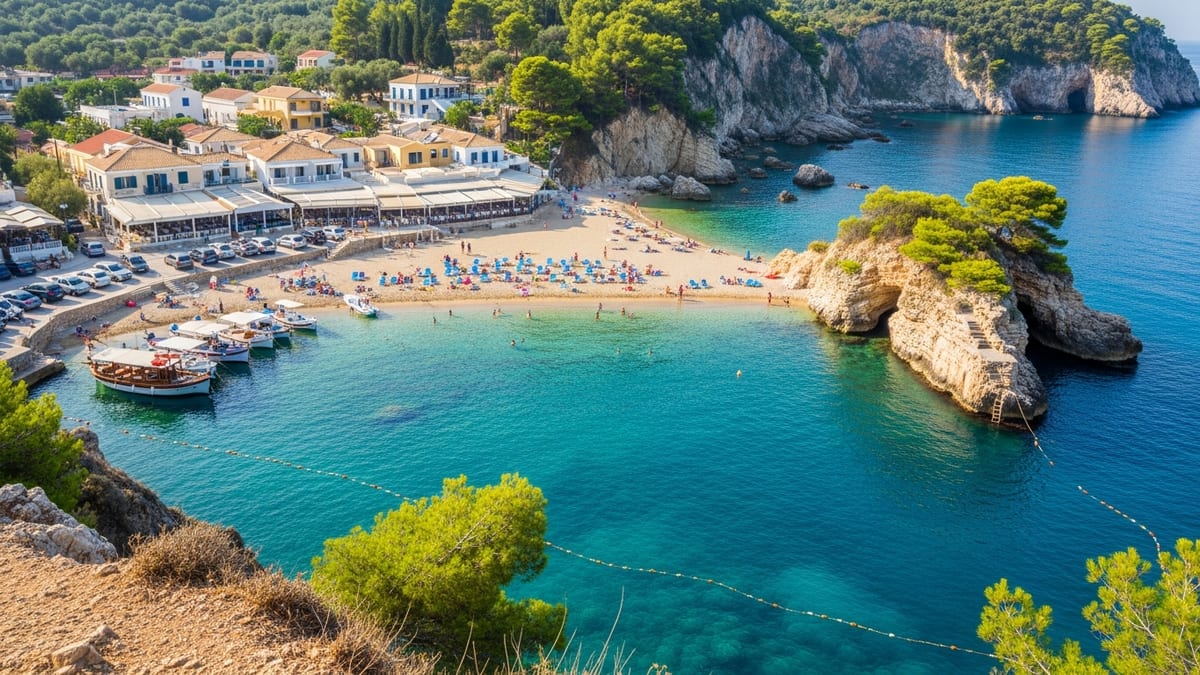
Island Travel Surges While Travelers Seek Quieter Shores
Recent industry reports indicate that interest in island getaways across Europe is climbing sharply, but travelers are steering away from long-established hotspots. Expedia’s 2026 Island Hot List highlights a wave of “next tier” destinations positioned as alternatives to Europe’s busiest beaches, with several under-the-radar European islands breaking into the global ranking of emerging getaways.
According to published coverage of the Hot List, searches for island trips have increased markedly for summer 2026, underlining a broader shift toward more intentional, experience-led travel. Similar trends are reflected in independent travel trend studies, which point to the growth of multimodal trips that combine rail, ferry and short flights to string together multiple stops instead of a single all-inclusive resort stay.
Analysts note that this pivot is partly driven by overcrowding in classic Mediterranean hubs, where room rates and visitor numbers spike each high season. At the same time, improvements in ferry networks and regional air links are making smaller islands more reachable, allowing travelers to swap heavily marketed destinations for places where traditional villages, working harbors and quiet beaches still dominate the landscape.
For many visitors, the appeal lies in a combination of softer prices, more space and a sense of discovery. While infrastructure and services may be simpler than on headline islands, demand data suggests that an increasing share of travelers are willing to trade marquee beach clubs and nightlife for low-key tavernas, local hiking paths and secluded coves.
Greece’s Lesser-Known Islands Step Out of the Shadows
Greece remains at the heart of Europe’s island-hopping boom, but the spotlight is slowly moving away from world-famous destinations such as Santorini and Mykonos. Travel coverage for 2026 emphasizes that itineraries are being redesigned around smaller or less internationally recognized islands, particularly in the Cyclades, Dodecanese and North Aegean.
Island-hopping features published this year describe travelers linking a major hub like Naxos, Rhodes or Kos with quieter neighbors that have historically drawn mainly domestic tourism. Islands such as Syros, Samos and Chios are repeatedly cited as examples of places where ferry connections are reliable and visitor facilities are well developed, yet summer streets are more likely to be filled with local families than cruise ship excursions.
Tour planners also point to the rise of “slow island hopping,” in which visitors spend longer stretches on two or three islands instead of racing through a half-dozen. Reports indicate that this approach is helping bring attention to smaller Aegean communities focused on food, heritage and coastal hiking rather than nightlife. For travelers, that often means harborfront rooms at more approachable prices, local festivals in village squares and beaches where deckchairs have not replaced every stretch of sand.
At the same time, Greek regional authorities and local tourism boards continue to promote lesser-known islands as part of a broader strategy to spread visitor numbers more evenly throughout the year and across the archipelagos. Publicly available information shows that this diversification is tied to concerns about overcrowding, water resources and housing pressure in some of the country’s most famous island destinations.
Beyond Sicily and Sardinia: Italy’s Quiet Island Alternatives
Italy’s coast and islands remain among Europe’s most sought-after summer getaways, but many travelers are now looking for options beyond perennial favorites such as Capri, Sicily and Sardinia’s busiest resorts. Travel features and itineraries published for 2026 put a growing emphasis on lesser-known Italian islands that pair dramatic landscapes and historical sites with a more measured pace of tourism.
Among the standouts highlighted in recent coverage are places like the Tremiti Islands in the Adriatic, mentioned for their clear waters and marine reserves, and lesser-visited corners of the Maddalena archipelago off northern Sardinia, where protected areas limit large-scale development. Other islands such as Ustica and Pantelleria, both off Sicily, appear frequently in roundups of alternative Mediterranean escapes thanks to their volcanic scenery, diving sites and cliff-backed coves.
These destinations remain significantly quieter than high-profile neighbors, with smaller ports, limited hotel stock and a focus on local guesthouses. Travel writers point out that while access may require a combination of regional flights or rail journeys followed by a ferry, this additional step is precisely what keeps visitor numbers more manageable, helping to preserve the atmosphere of working island communities.
Italian tourism data and promotional materials increasingly reference the concept of “hidden Italy,” encouraging visitors to explore beyond flagship cities and resorts. In the island context, that push aligns with rising interest among international travelers in culinary workshops, vineyard stays and walking routes, many of which are easier to experience on islands where agriculture and fishing still shape daily life.
Spain’s Atlantic Outposts and Little-Known Islets Gain Ground
Spain’s islands are better known for large-scale resorts, but recent rankings and search analyses suggest that travelers are also gravitating toward smaller, more nature-focused outposts. Industry research into water sports search volumes across more than 500 European islands, for example, shows strong interest in Canary Islands destinations that balance adventure tourism with quieter surroundings.
Within this broader pattern, islands such as El Hierro in the Canaries are emerging as case studies in low-impact tourism. Public information describes El Hierro as one of the archipelago’s least populated islands, with a focus on marine reserves, hiking paths and renewable energy. Travel coverage notes that its limited accommodation capacity and remote location help cap visitor numbers, making it attractive to divers, walkers and stargazers seeking an alternative to larger islands.
On Spain’s Mediterranean side, analysts also highlight the role of protected areas and marine parks in channeling visitors into activities like snorkeling, kayaking and birdwatching rather than large entertainment complexes. While the Balearic Islands remain firmly on the global tourism map, surrounding islets and less-built-up corners are increasingly featured in editorial guides as options for day trips or multi-night stays that feel removed from mass-market strips.
Spanish tourism materials underline a broader national emphasis on sustainability, with several island and coastal regions adopting certifications and frameworks designed to limit overdevelopment. For travelers, that often translates into regulated visitor numbers in sensitive areas, restrictions on new large-scale hotels and an incentive structure that favors smaller, locally owned businesses.
How to Plan an Offbeat Island Escape in 2026
Putting these trends into practice requires a slightly different planning mindset than booking a week at a flagship resort. Travel experts recommend checking seasonal ferry timetables and regional flight schedules well in advance, particularly for islands with limited daily services or connections that operate only in high season. Building in buffer nights in gateway cities such as Athens, Naples or Barcelona can make connections smoother and reduce the risk of disruptions affecting onward travel.
Accommodation choices also play a key role in ensuring that offbeat island trips remain both sustainable and enjoyable. Smaller islands often have a limited inventory of rooms, so booking locally run guesthouses, agriturismos or family hotels early is advisable. These properties can also provide practical insight on local transport, hiking routes, lesser-used beaches and seasonal events, allowing visitors to distribute their spending across the community.
Observers note that travelers increasingly weigh environmental and social impacts when choosing where to go. On fragile islands, that may mean favoring destinations with robust waste and water management plans, respecting caps on visitor numbers to certain coves or trails, and visiting outside the absolute peak weeks of late July and August when possible. Shoulder-season trips in May, June, September or October can offer milder temperatures, lower prices and more interaction with year-round residents.
For those willing to explore beyond Europe’s household-name islands, the 2026 season offers a widening range of options. From little-known Greek harbors to volcanic Italian outcrops and remote Spanish Atlantic isles, the continent’s quieter islands are stepping into the spotlight, offering the promise of open horizons, working waterfronts and a slower, more grounded style of Mediterranean and Atlantic travel.