


More news on this day
As crowds return to Europe’s best-known coasts, new destination rankings and travel reports for 2026 are turning the spotlight toward quieter islands in Greece, Italy, Spain and beyond, where lower visitor numbers and strong local character promise a different kind of summer escape.
Get the latest news straight to your inbox!
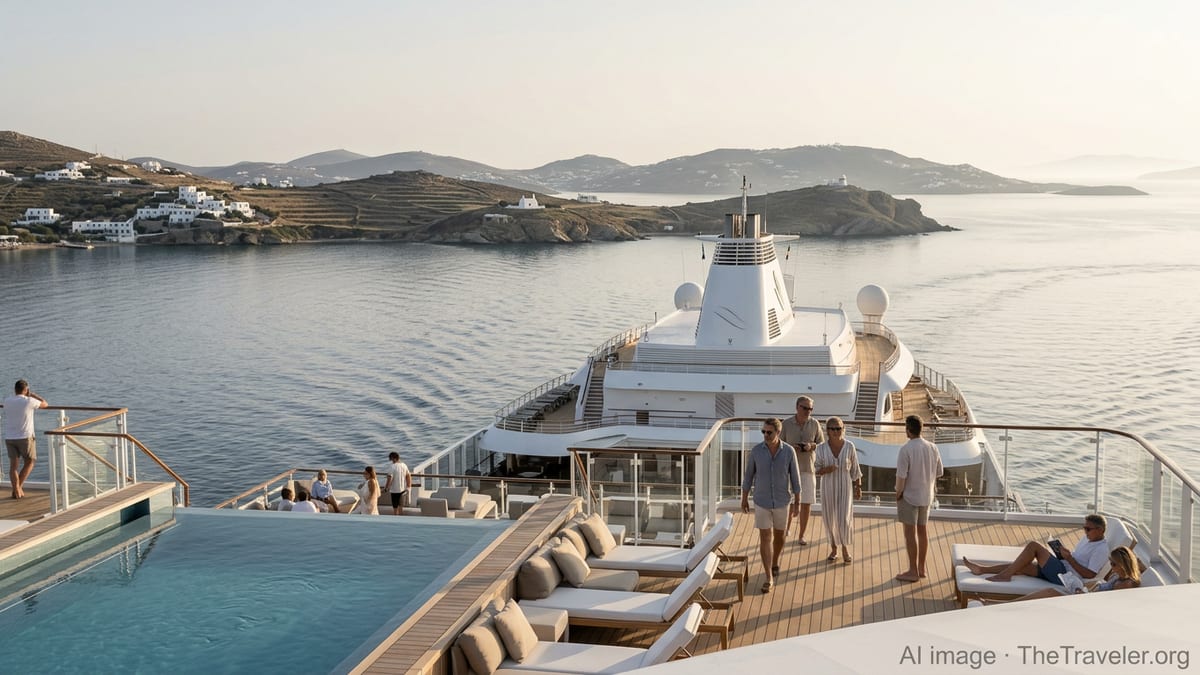
From Hotlists to Policy Papers, Interest Shifts Off the Beaten Track
Across Europe, a growing body of travel reporting and tourism data shows demand tilting away from classic hotspots such as Santorini, Capri and Ibiza toward lesser-known islands that offer more space, gentler price pressure and a slower pace. Recent island “hot lists” compiled by major travel media and online agencies point to a surge in searches and bookings for smaller, often car‑light islands that have long flown under the radar.
Published coverage on 2026 travel trends highlights island hopping as one of the year’s standout patterns, with travelers combining several remote islands in a single itinerary to spread visitor impact and experience varied landscapes in one trip. This approach is increasingly framed as both a lifestyle choice and a sustainability measure, encouraging longer stays and fewer high-emission flights between short breaks.
At the policy level, tourism strategies in countries including Italy and Greece now formally emphasize diversifying visitor flows. Publicly available planning documents show a clear push to channel some demand away from overcrowded coastal hubs toward “second tier” islands where infrastructure can better absorb growth and local communities still depend heavily on tourism income.
Together, these signals suggest that Europe’s quieter islands are no longer a niche interest. They are emerging as a central part of how the continent aims to manage overtourism, climate pressures and visitor expectations in the mid‑2020s.
Greece: Lesser-Known Islands Step Out of Santorini’s Shadow
Greece remains one of Europe’s most visited summer destinations, but reports indicate that attention is widening well beyond the famous Cycladic silhouettes. Travel features and specialist itineraries for 2026 spotlight islands such as Naxos, Syros and Chios, as well as smaller Dodecanese and Ionian outposts marketed as “unexplored Greece.”
These islands are often reachable by ferry rather than direct international flights, a factor that has historically limited mass tourism but now appeals to visitors seeking slower, more climate‑conscious journeys. Many have compact main towns, family-run guesthouses and agricultural hinterlands where local food producers and winemakers are drawing new interest from culinary travelers.
Tour operators focusing on lesser-known Greek “gems” frame them as an antidote to the escalating costs and crowds reported on marquee islands. Promotional material emphasizes long, uncrowded beaches, village festivals and hiking routes connecting mountain hamlets with undeveloped coves, while acknowledging that facilities can be simpler and nightlife more subdued than on Mykonos or Paros.
For Greece’s tourism planners, steering visitors toward these islands also serves a broader goal. By dispersing arrivals, they aim to relieve pressure on infrastructure in the most saturated destinations and extend the season into spring and autumn, when ferry schedules, water availability and local services can better accommodate a gentler flow of guests.
Italy: Beyond Capri to Volcanic and Tuscan Archipelagos
In Italy, recent travel coverage has drawn a sharp contrast between headline islands such as Capri or parts of Sardinia and quieter alternatives scattered across the Tyrrhenian and Ionian seas. Features on “hidden Italy” recommend volcanic islands like Pantelleria and members of the Aeolian chain, which combine dramatic geology with small-scale hospitality rooted in fishing and wine production.
On Pantelleria in particular, reports describe a landscape of lava-rock terraces, domed stone houses and thermal springs, with many accommodations converted from historic rural dwellings. Rather than beach clubs, visitors find cliff-fringed swimming spots, caper farms and vineyard tastings, reflecting a shift from spectacle to substance in how island time is marketed.
Farther north, lesser-known Tuscan archipelago islands such as Capraia have been cited as examples of wild Mediterranean landscapes protected by marine and national parks. Limited car access, strict building controls and a focus on hiking, boating and diving position these islands as test cases for low-impact tourism that still sustains local livelihoods.
According to national tourism policy summaries, Italy’s broader strategy explicitly encourages this kind of geographic diversification, aiming to spread visitor spending more evenly across regions and counter seasonality by promoting spring and autumn stays in places that for now see only modest high-summer peaks.
Spain and Atlantic Europe: Cooler, Quieter Alternatives Gain Ground
While Spain’s Balearic and Canary Islands remain enduring favorites, analysis of 2026 destination roundups points to increased interest in lesser-known outposts and northern archipelagos associated with milder temperatures. Travel features reference smaller Balearic islands and underpublicized corners of the Canaries as options for travelers who want island culture without peak-season density.
At the same time, Atlantic and northern European islands are gaining visibility as climate concerns and high summer heatwaves reshape planning habits. Coverage of under-the-radar islands cites locations in the North Atlantic and Baltic, where lower visitor numbers and cooler conditions appeal to travelers looking to escape both crowds and extreme temperatures.
These trends align with expert commentary that suggests a gradual rebalancing of demand between the hottest parts of southern Europe and more temperate coastal regions. For destinations, the opportunity lies in developing small-scale infrastructure and nature-based activities before rapid growth arrives, helping avoid some of the overtourism dynamics already seen in the Mediterranean.
Travel media also note that reaching many of these Atlantic and northern islands requires a combination of trains and ferries from major hubs, reinforcing the wider shift toward multi-stage journeys that prioritize landscape and local encounters over point-to-point speed.
What Travelers Need to Know Before Choosing a Hidden Island
For visitors considering an offbeat island escape in 2026, practical planning takes on added importance. Reports from recent seasons highlight that ferry timetables, seasonal business closures and limited medical or banking facilities can significantly shape an experience on smaller islands, especially outside July and August.
Travel editors and tour planners advise checking how frequently boats or small planes run, whether accommodations are open year-round and how easy it is to move around without a car. On many Greek and Italian islands, local buses may run only a few times a day, making walking, cycling or hiring small boats a central part of getting around.
Budget expectations also differ from headline destinations. While quieter islands can still be expensive in high season, published price comparisons suggest that lodging and dining are often more affordable than in marquee resorts, particularly for travelers willing to stay in village guesthouses or self-catered apartments a short distance from the main harbor.
Finally, sustainability considerations are increasingly built into official messaging and commercial offers. Many island authorities and operators encourage longer stays, respect for water and energy limits, and participation in local cultural events rather than short, high-impact visits. For travelers, choosing a hidden island now often means embracing this more attentive, slower style of tourism that underpins the future of Europe’s coastal escapes.