


More news on this day
Carnival Cruise Line has released the first substantial details of Carnival Destiny, the debut vessel in its new Ace Class and the largest ship ever ordered for the brand, outlining a next-generation design that aims to push the line further into the mega-ship segment from 2029.
Get the latest news straight to your inbox!
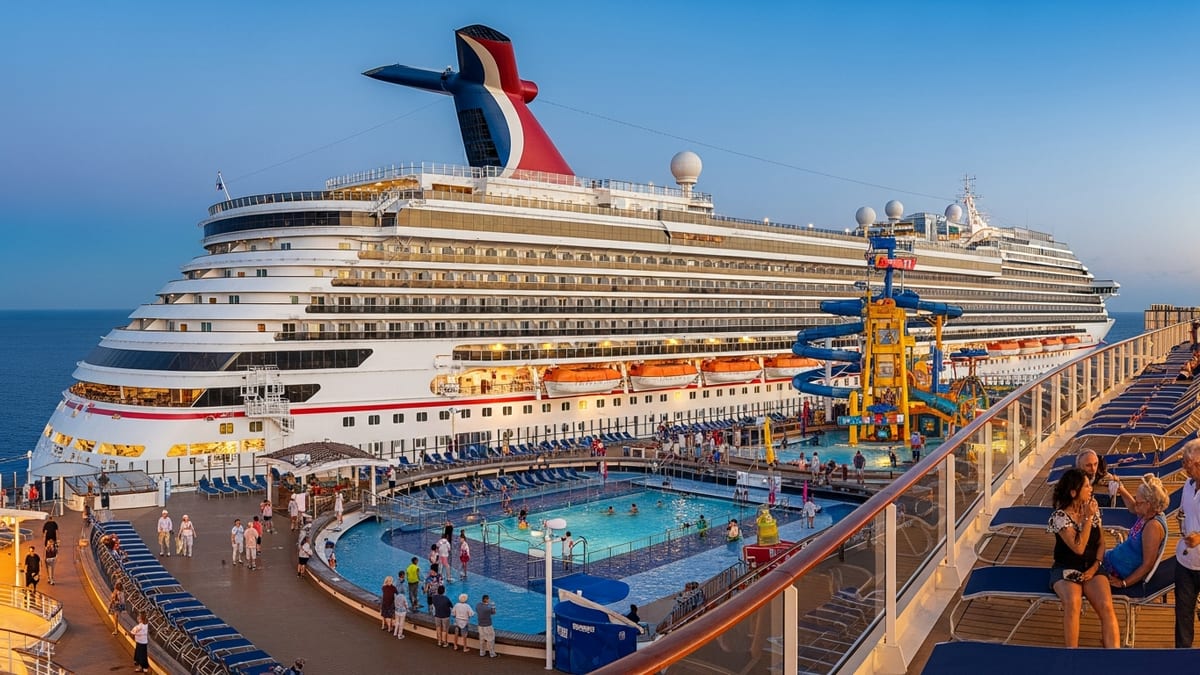
Ace Class Marks a New Scale for Carnival’s Fleet
According to published coverage and company fact sheets, Carnival Destiny will be the first of at least three Ace Class ships to be built by Italian shipbuilder Fincantieri for Carnival Cruise Line, with deliveries currently scheduled to begin in summer 2029. The program is part of a broader newbuild strategy within Carnival Corporation that focuses on larger, more efficient platforms.
Preliminary technical information indicates that Carnival Destiny will measure around 230,000 gross tons, making it significantly larger than the line’s existing Excel Class ships, such as Mardi Gras and Carnival Celebration. Passenger capacity is expected to reach about 8,000 guests at full occupancy, placing the vessel among the largest cruise ships planned anywhere in the industry.
Publicly available figures suggest the ship will carry more than 6,000 guests at double occupancy, with a crew complement in the thousands. The Ace Class is being positioned as a step up from Carnival’s current fleet in both size and onboard variety, while retaining the brand’s familiar focus on high-energy, value-focused cruising.
Industry orderbook data and analyst reporting point to a next-generation energy and propulsion package, with Ace Class ships expected to be powered primarily by liquefied natural gas. The design is also described as incorporating upgraded efficiency systems intended to reduce emissions and fuel consumption relative to earlier generations of large cruise ships.
Design Evolution From Excel Class Mega Ships
Early renderings and descriptions indicate that Carnival Destiny’s layout will build on the three-deck atrium concept popularized on the Excel Class, but with expanded outdoor zones and more differentiated neighborhoods. Reports highlight a reimagined central hub that will transition from daytime social space to nightlife venue, surrounded by an increased mix of dining, bar and entertainment options.
Cruise industry commentary suggests that guest feedback from the Excel Class has informed the Ace Class layout, particularly in areas such as traffic flow, elevator distribution and crowd management around headline venues. The new platform is expected to spread key attractions more evenly across the ship, with additional outdoor promenades and terraces designed to reduce pinch points during sea days and evenings.
Observers also point to a likely evolution of Carnival’s signature top-deck experiences. While specific attractions have not yet been fully confirmed, reports reference large family activity zones, waterpark features and an updated version of the line’s roller coaster-style top-deck ride. The aim appears to be combining high-thrill elements with quieter relaxation areas so that the ship can appeal to both families and adults traveling without children.
Inside, Carnival Destiny is expected to introduce new specialty restaurant concepts and refreshed takes on long-running Carnival favorites. Travel trade previews reference a broader array of included and extra-fee options, as well as more flexible venues that can change function between breakfast, lunch and evening service, reflecting changing passenger expectations on longer itineraries.
Historic ‘Destiny’ Name Returns for a Larger Era
The choice of the name Carnival Destiny is being widely read as a nod to the line’s history. The original Carnival Destiny, launched in 1996 and later transformed into Carnival Sunshine, was the first passenger ship to surpass 100,000 gross tons and symbolized a new era of bigger ships for the brand. Bringing back the Destiny name for the first Ace Class ship positions the 2029 vessel as a similar milestone, this time at more than double the size threshold that defined the 1990s mega-ship.
Cruise enthusiasts have been quick to note the symmetry between the two ships, with the new Carnival Destiny set to become the first Carnival ship to pass the 200,000-gross-ton mark. Commenters on cruise forums and social platforms have highlighted the historical echo and expressed interest in how the design will reinterpret Carnival’s high-energy atmosphere for a ship of this scale.
Industry histories of Carnival Cruise Line emphasize how the original Destiny-class platform served as the foundation for several subsequent classes across the corporation’s brands. Analysts suggest that Ace Class could play a similar role, potentially influencing future design directions not only for Carnival but also for sister lines seeking larger and more efficient ships.
The reintroduction of the Destiny name also supports Carnival’s broader branding strategy, which has recently leaned on nostalgia and recognizable ship identities. Travel marketing materials have increasingly emphasized the line’s long-running place in the modern mass-market cruise segment, and the new Ace Class flagship appears intended to blend that legacy with a more contemporary, resort-scale experience.
First Deployment and Booking Expectations
While a full itinerary program for Carnival Destiny has not yet been released, available planning documents and industry coverage indicate that the ship is scheduled for delivery in the summer of 2029. It is widely expected to debut in North America, with early speculation centering on homeports in Florida and the U.S. Gulf Coast that already support Carnival’s largest ships.
Reports indicate that Carnival is likely to focus Destiny’s initial seasons on weeklong and longer Caribbean itineraries, reflecting high demand for large-ship vacations in that region. Some analysts anticipate that the ship may also be used to support expanded calls at the company’s private destinations, where facilities are being upgraded to handle higher guest volumes.
Travel advisors and cruise retailers are already signaling strong interest from repeat Carnival guests and travelers who have sailed on similarly sized ships with rival lines. Industry commentary suggests that once schedules are published, early voyages on Carnival Destiny could see rapid bookings, particularly if the line introduces limited-run inaugural sailings or special themed cruises tied to the ship’s debut.
The long lead time before delivery also provides Carnival with scope to adjust specific deployment details in response to demand patterns, infrastructure developments in key ports and broader economic conditions. Observers note that the company has previously reshaped inaugural season plans for new ships to take advantage of emerging opportunities in North America and beyond.
What Destiny Signals for the Future of Carnival
For Carnival Cruise Line, the reveal of Carnival Destiny and the first Ace Class details signals a commitment to competing directly in the upper tier of the mega-ship market. The brand has traditionally focused on slightly smaller vessels than some competitors, but the new platform pushes the company firmly into the same size category as the largest ships planned by other major cruise operators.
Analysts view the combination of significantly higher capacity and new efficiency technologies as a key part of Carnival’s long-term growth and cost management strategy. Larger ships can spread operating expenses across more guests, while modern propulsion and hotel systems are intended to control fuel and utility consumption even as onboard amenities expand.
At the same time, the move to 8,000-guest ships raises questions about crowding, port infrastructure and the onboard experience, topics that are already being debated by cruise watchers. Commentaries note that the success of Ace Class will depend on whether Carnival can translate lessons from its existing fleet into an environment where careful design and operational planning are essential to maintain service quality.
With steel already cut and the first round of design details public, Carnival Destiny is likely to remain a focal point of cruise industry attention in the years leading up to 2029. Additional announcements about itineraries, interior design concepts and new attractions are expected over time, providing a clearer view of how Carnival intends to redefine its core product at a dramatically larger scale.