


More news on this day
A large new price analysis comparing more than 6,000 Royal Caribbean and Carnival cruises through 2028 is providing one of the clearest looks yet at how the rival brands really stack up on cost, breaking down the gap by ship age, itinerary length and sailing date.
Get the latest news straight to your inbox!
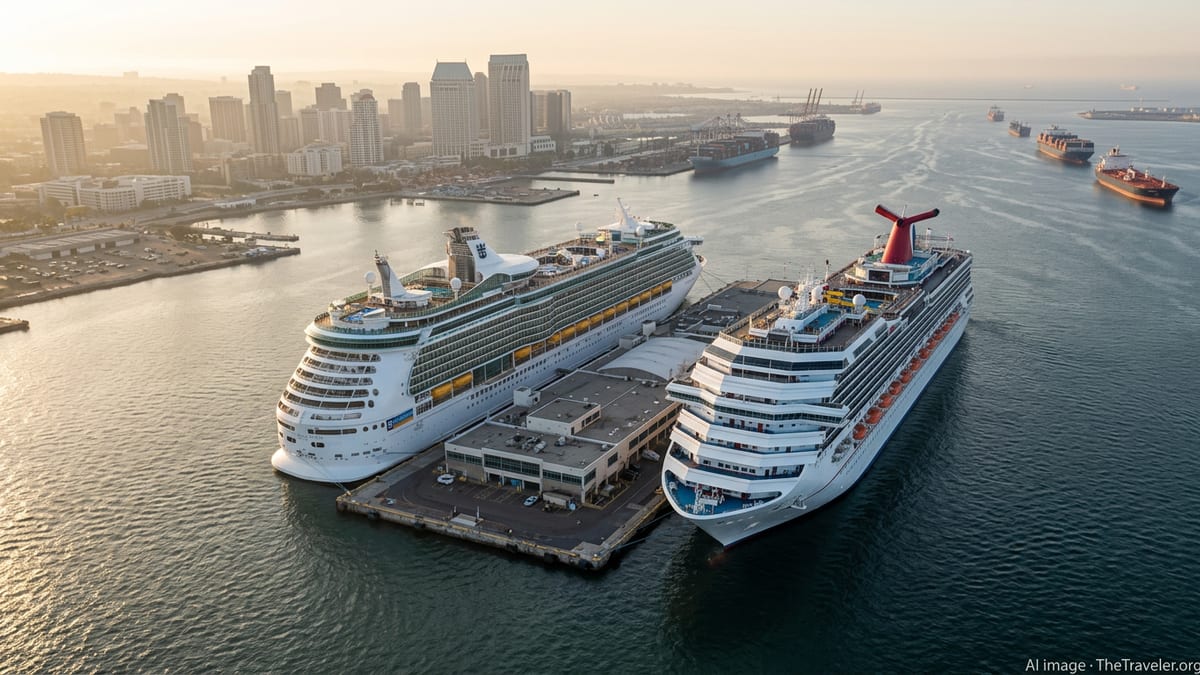
Large-Scale Cruise Price Study Targets 2024–2028 Sailings
The comparison, published by cruise site Cruise Fever, examined advertised fares for thousands of Royal Caribbean and Carnival itineraries departing between now and 2028. The study focused on the base price for two passengers in an interior cabin, converted into a per-night cost so that short getaways and weeklong vacations could be compared on equal footing.
According to the analysis, Carnival generally remained the lower-cost option on a straight fare basis, but the difference was less uniform than many travelers might expect. The gap shifted notably depending on whether a ship was among the newest in the fleet, the length of the cruise and whether the itinerary included sought-after private destinations such as Royal Caribbean’s Perfect Day at CocoCay.
The dataset covered a wide range of departure ports and sailing dates, including peak holiday and summer periods as well as shoulder-season and repositioning cruises. That breadth allowed the comparison to highlight not just headline-grabbing mega-ship prices but also the often-overlooked older vessels where many budget-focused travelers book their trips.
While the Cruise Fever work is one of the broadest single-brand comparisons published recently, it aligns with longer-running pricing snapshots from cruise blogs and fare trackers, which have consistently found Royal Caribbean positioned as the costlier of the two major mass-market lines, particularly on newer, feature-heavy ships.
Per-Night Fares Show a Persistent Premium for Royal Caribbean
On average, the study found Royal Caribbean charging a clear premium over Carnival on a per-night basis, especially on marquee ships and popular itineraries. Publicly available comparisons from other analysts have reported similar patterns, with Royal Caribbean per-night fares sometimes approaching double Carnival pricing on equivalent seven-night Caribbean sailings when comparing new vessels from each line.
The new analysis suggests that, across thousands of departures, a typical Royal Caribbean interior cabin often commands a double-digit percentage premium versus Carnival. For shorter three- and four-night trips, the gap can remain relatively modest, especially on older Royal Caribbean ships where pricing is more aggressively discounted to fill capacity. As ships become newer and itineraries stretch to a week or longer, the difference widens noticeably.
Industry coverage points out that Royal Caribbean’s strategy centers on large, amenity-rich ships marketed as destination resorts in their own right, allowing the brand to sustain higher fares. Carnival has traditionally leaned toward value-focused pricing, smaller average ship size and a more straightforward onboard offering, especially on its older vessels, which helps keep entry-level fares lower.
For travelers comparing only brochure prices, this translates into Royal Caribbean commonly appearing as the more expensive option for similar lengths and regions, even before factoring in promotional offers, onboard spending or bundled extras.
Newest Mega-Ships Drive the Biggest Price Gaps
The price divergence is sharpest on the newest mega-ships, where demand remains high and capacity sells quickly years in advance. Cruise Fever’s breakdown shows Royal Caribbean’s latest vessels, including its Icon and Oasis-class ships, frequently priced hundreds of dollars more per person than Carnival’s newest hardware on similar-length itineraries.
Published examples from a range of cruise comparison outlets have highlighted cases where a seven-night sailing on a Royal Caribbean mega-ship costs as much or more for an inside cabin than a balcony cabin on a new Carnival ship visiting comparable Caribbean ports. In some instances, itineraries on Royal Caribbean’s flagship vessels approach a per-day rate that is roughly twice that of mainstream Carnival sailings.
Part of that premium reflects expensive onboard infrastructure such as water parks, elaborate entertainment venues and family-focused neighborhoods that are heavily marketed as vacation centerpieces. Travel analysis notes that guests choosing these ships are often seeking the full resort-style experience at sea and are more willing to pay higher fares in exchange for those amenities.
Carnival’s newest ships also price above its older tonnage, but reports indicate the step-up is smaller, keeping the brand’s top offerings closer to the mass-market average. As a result, the largest price gaps through 2028 are concentrated where Royal Caribbean deploys its highest-profile vessels on popular Caribbean and Bahamas runs.
Short Getaways vs Weeklong Cruises: When Carnival Actually Wins Big
The study also underscores how itinerary length shapes the value equation. For three- and four-night cruises, especially from major drive-to ports in Florida and Texas, Carnival often undercuts Royal Caribbean by a meaningful margin, a trend that has shown up in other independent fare comparisons as well.
Analysts who have compared three-night sailings from the same ports report Carnival itineraries coming in hundreds of dollars cheaper per cabin than comparable Royal Caribbean trips for the same dates and regions. That pattern appears strongest when Royal Caribbean assigns newer ships to short cruises that include premium private destinations; in those cases, the per-night rate jumps, while Carnival continues to market many of its short getaways as entry-level value vacations.
On seven-night sailings, the dynamic becomes more complex. Carnival still tends to offer the lower headline fare on many mainstream itineraries, but Royal Caribbean’s pricing ranges more widely, from older ships discounted into budget territory to marquee vessels charging a steep premium. For travelers flexible on ship choice but fixed on dates, that means certain Royal Caribbean departures can slip into near-parity with Carnival, while others remain significantly more expensive.
The Cruise Fever analysis indicates that shoppers focused only on itinerary and dates, rather than ship class, are the most likely to be surprised by these swings. A similar route from the same port in the same week can carry very different per-night costs depending on which brand and ship is sailing it.
Beyond the Fare: How Extras Change the Real Cost Picture
While the 6,000-cruise comparison centers on base fares, industry coverage stresses that the true cost gap between Royal Caribbean and Carnival depends heavily on how passengers spend once on board. Both lines use a base-fare model that leaves many extras optional, including specialty dining, shore excursions, premium Wi-Fi and alcoholic beverages.
Royal Caribbean is widely viewed as more aggressive in selling higher-priced add-ons, from elaborate specialty restaurants to upcharge attractions and beverage packages that vary dynamically by sailing. Carnival tends to promote simpler drink packages and fewer marquee upcharge attractions, a structure that can make it easier for budget-conscious guests to keep onboard bills lower, even when headline fares are similar.
When those extras are incorporated, some published comparisons suggest the total vacation cost gap can widen beyond what base fares alone imply, particularly for families eager to sample multiple specialty venues and onboard activities. However, disciplined travelers who avoid higher-margin extras may experience a narrower real-world difference than raw fare charts suggest, especially on older Royal Caribbean ships where initial prices start lower.
For travelers planning cruises between now and 2028, the latest large-scale price review reinforces a nuanced message. Carnival generally remains the cheaper mass-market option, but Royal Caribbean’s wide spread of ships and dynamic pricing means the real value hinges on the specific vessel, itinerary and onboard spending style a traveler ultimately chooses.