


More news on this day
Carnival Corporation has expanded its surplus meal donation program to The Bahamas, adding Grand Bahama to a growing list of cruise ports where prepared but unserved meals from its ships are redirected to local community organizations instead of becoming food waste.
Get the latest news straight to your inbox!
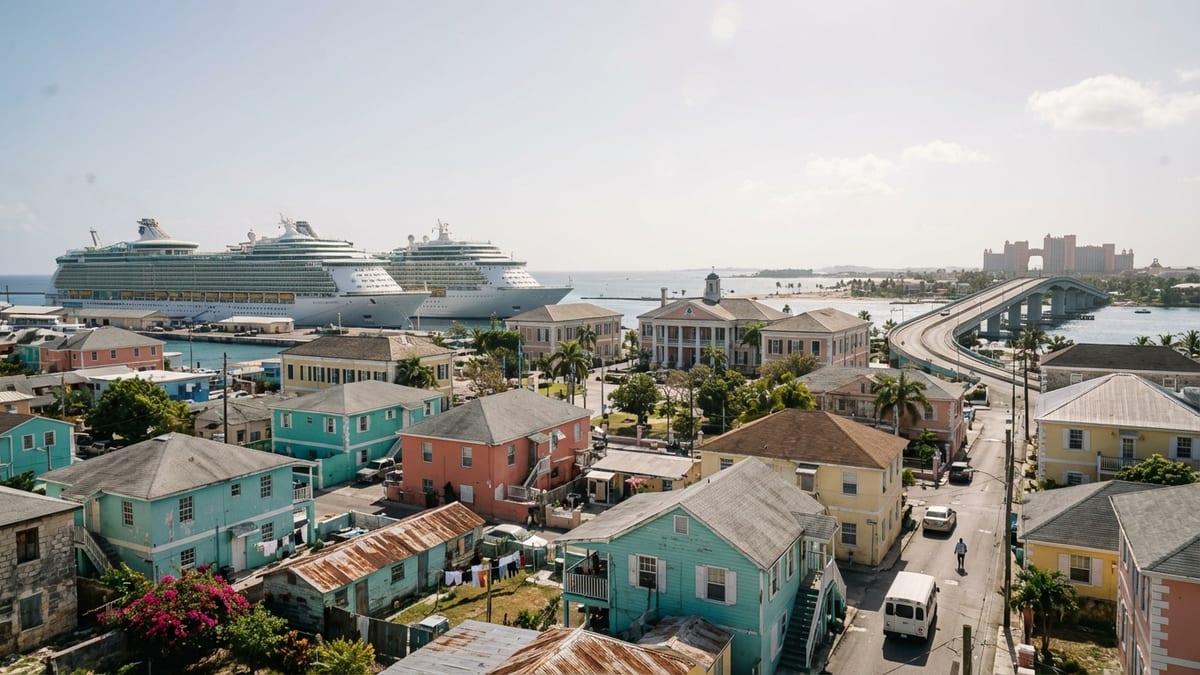
New Milestone for Cruise Line Food Recovery Efforts
The expansion to The Bahamas marks a new milestone for the program, which began in 2017 and has gradually scaled across several regions. Publicly available information indicates that the initiative now operates in about 20 ports worldwide, with The Bahamas becoming one of the latest destinations to participate.
Under the program, surplus meals that have been prepared for cruise guests but remain unserved are collected on board, documented, cooled and safely transported ashore. In The Bahamas, the first donations have been reported from Carnival Freedom and Carnival Conquest, which redirected portions from their galleys to organizations serving residents on Grand Bahama.
The model is designed to work within existing port calls, using regular ship visits to create a steady flow of food contributions. Reports indicate that the program is integrated into standard operations on participating ships so that surplus can be recovered on a routine basis rather than only during special events or one-off campaigns.
Carnival Corporation presents the expansion as part of a broader set of sustainability actions, noting in corporate materials that food recovery helps reduce both waste volumes and the environmental footprint associated with disposing of edible products.
Less Left Over Strategy Links Waste Reduction and Community Support
The surplus meal initiative forms one of the pillars of Carnival Corporation’s wider food waste strategy, branded as Less Left Over. Company fact sheets describe this approach as focused on preventing food waste where possible and, where prevention is not feasible, redirecting high quality, safe surplus meals to people in need.
Program documentation outlines a process that begins with planning and inventory controls to reduce overproduction in ship galleys. When surplus still occurs, kitchen teams separate food that meets strict safety and handling criteria and prepare it for donation rather than disposal. This structure is intended to ensure that donated meals are comparable in quality to what guests receive on board.
According to recent sustainability materials, the initiative has resulted in hundreds of thousands of meal portions donated globally since its launch. The Bahamas becomes part of this network alongside ports in regions such as Latin America and the Caribbean, where similar collection and distribution systems have already been established in partnership with local organizations.
In aligning the Bahamian expansion with the Less Left Over framework, Carnival Corporation is positioning food recovery as both an environmental and social initiative, tying onboard operations to outcomes in nearby communities.
Grand Bahama Port Community Emerges as Early Beneficiary
The first phase of the program in The Bahamas is centered on Grand Bahama, where Carnival ships visit the company’s Celebration Key destination and nearby port facilities. Reports from trade and industry outlets indicate that prepared, unserved food is being channeled from the ships to community organizations on the island.
These groups are typically involved in providing meals or food assistance to residents facing economic challenges, and the additional supply from cruise ships can help supplement existing resources. While exact volumes for The Bahamas have not yet been detailed, experience in other ports suggests that regular donation cycles can add up to significant quantities over time.
The focus on Grand Bahama aligns with broader development activity around Celebration Key, which has quickly become a major port of call in Carnival’s network. The meal donation program adds a community-facing dimension to that growth, linking tourism activity directly to local food security initiatives.
Observers of corporate social responsibility trends note that cruise destinations are paying closer attention to how visitor spending and cruise line operations translate into tangible benefits for residents. The expansion of surplus meal donations in The Bahamas fits into this wider shift toward more measurable forms of community engagement.
Global Expansion Signals Growing Role for Cruise Ships in Food Recovery
The Bahamas announcement follows previous expansions of the surplus meal program in Latin America and the Caribbean, including ports in Honduras and the Dominican Republic. Coverage of these rollouts shows a consistent pattern of partnering with local food banks, charities or community groups that can quickly distribute prepared meals.
By adding The Bahamas, Carnival Corporation reinforces a trend in which large cruise vessels function as mobile contributors to local food systems. When docked, ships effectively become additional, temporary kitchens for communities as surplus meals move off the gangway and into neighborhood feeding programs.
Sustainability reports highlight that the initiative also intersects with climate and resource goals, since reducing food waste can help lower the emissions associated with producing, transporting and disposing of food that is never eaten. Redirecting that food to people instead of landfills or incineration facilities is presented as a way to extract full value from onboard provisioning.
Industry analysts tracking cruise sector sustainability point out that such programs can be challenging to coordinate because they require strict food safety protocols, consistent port cooperation and reliable local partners. The continuing expansion of Carnival’s surplus meal initiative, including its move into The Bahamas, is therefore seen as a signal that these operational hurdles are being systematically addressed across the company’s network.
What the Expansion Means for Travelers and Destinations
For travelers, the surplus meal donation program operates largely behind the scenes and does not change the dining experience on board. However, growing awareness of sustainability has led more cruise passengers to scrutinize how lines manage waste and contribute to destinations, and initiatives like this can factor into perceptions of a company’s environmental and social record.
In The Bahamas, the added flow of prepared meals comes at a time when communities are working to build resilience against economic swings and external shocks that can affect tourism-dependent islands. Contributions from cruise ships are not positioned as a replacement for local food systems but as one additional support channel that leverages existing visitor traffic.
As the program matures in Grand Bahama, attention will likely turn to how consistently donations can be maintained across different seasons, itineraries and ship deployments. Observers will also be watching whether the model is extended to additional Bahamian ports over time.
For now, the inclusion of The Bahamas in Carnival Corporation’s Less Left Over initiative adds another destination to a list of ports where surplus meals are being redirected to community use, reflecting a broader shift in how cruise lines address both food waste and local impact.