


More news on this day
The United States Centers for Disease Control and Prevention has added Mauritius to its chikungunya travel health notice roster, creating the largest cluster of simultaneous country level alerts for the mosquito borne virus since the mid 2010s and signaling a renewed concern for international travelers.
Get the latest news straight to your inbox!
New Addition Extends a Growing Outbreak List
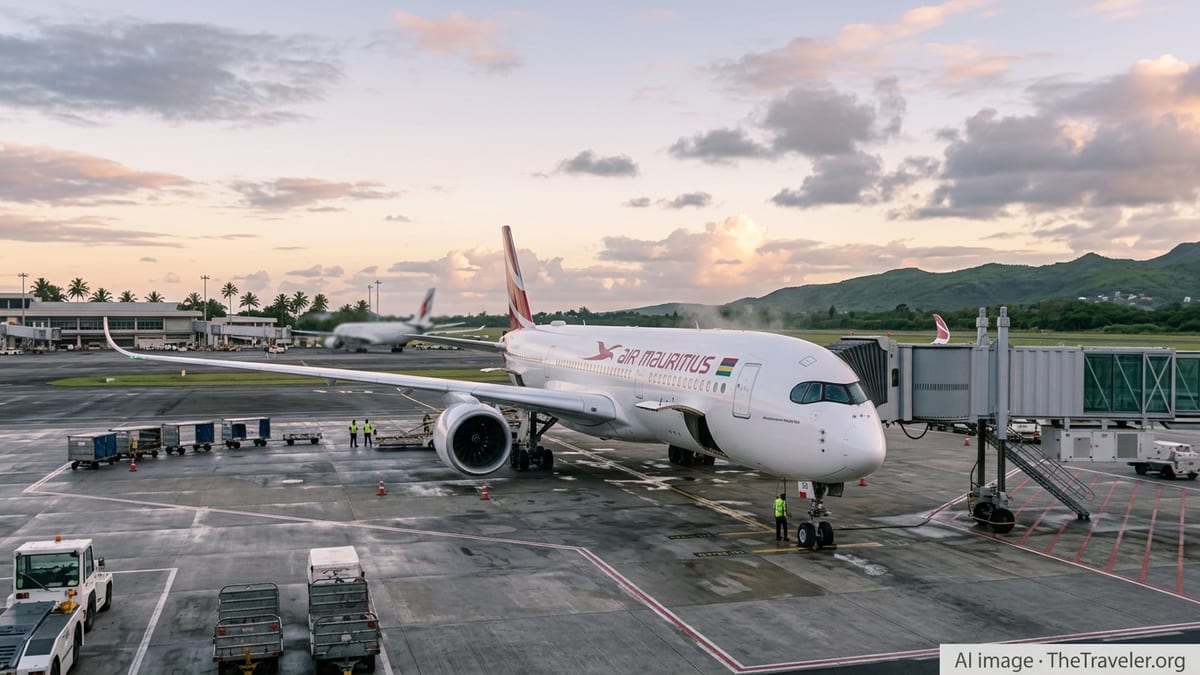
According to publicly available information on the CDC Travelers’ Health portal, Mauritius was placed under a Level 2 chikungunya travel health notice in mid May 2026, following confirmation of an outbreak on the Indian Ocean island nation. The notice advises visitors to practice enhanced precautions to avoid mosquito bites and to seek medical care promptly if fever and joint pain develop during or after a trip.
Published coverage of the update indicates that Mauritius joins Suriname, Mayotte and French Guiana on the CDC’s active chikungunya outbreak list. Suriname was first added in February 2026, followed by Mayotte in March, while a separate travel health notice for French Guiana was posted on June 4 after a rise in locally acquired infections there.
While four affected destinations may appear modest in absolute terms, analysts who track arboviral disease patterns note that it represents the widest concurrent chikungunya warning footprint maintained by the CDC since at least 2014, when large outbreaks in the Caribbean and parts of Latin America prompted a series of overlapping advisories.
The current configuration is geographically diverse, stretching from the northern edge of South America to an overseas French department on the continent and into the Indian Ocean. Travel medicine specialists say that such dispersion raises the odds that vacationers, cruise passengers and business travelers may encounter the virus even on itineraries that do not remain within a single region.
Chikungunya’s Global Reach Since Its Modern Resurgence
Chikungunya virus disease is caused by an alphavirus transmitted primarily by Aedes aegypti and Aedes albopictus mosquitoes, the same vectors involved in dengue and Zika. Symptoms usually appear within a week of a bite and include sudden high fever, severe joint pain, headache and fatigue. Most patients recover, but joint pain can persist for months, and older adults or those with underlying conditions face higher risk of complications.
Historical summaries from the CDC and the World Health Organization describe how chikungunya, once largely confined to Africa and parts of Asia, expanded its footprint dramatically beginning in 2005. That year marked the start of major outbreaks in islands across the Indian Ocean, followed by waves of transmission in India and Southeast Asia. Over subsequent years, autochthonous cases were documented in Europe and the Americas, demonstrating that the virus could establish short term local spread wherever competent Aedes mosquitoes were present.
By the mid 2010s, chikungunya had become entrenched in many tropical and subtropical regions, although incidence has fluctuated as local immunity and mosquito control efforts wax and wane. Public health assessments released in 2026 by international agencies note that while the global case count so far this year appears lower than during peak transmission periods in 2023 and 2024, new clusters continue to surface in areas with favorable climate conditions and intense population movement.
The addition of Mauritius links the current alert pattern back to the virus’s earlier history in the Indian Ocean basin, where rapid spread in the mid 2000s affected hundreds of thousands of people. The renewed attention to this region underscores how chikungunya remains capable of reemerging in places with receptive mosquito populations even after years of relative quiet.
Implications for Summer and Long Haul Travel
The latest chikungunya update arrives as many travelers finalize plans for the Northern Hemisphere summer, a period that is typically busy for long haul trips to beach destinations, nature focused holidays and cruise routes that include ports in South America, the Caribbean and the Indian Ocean. Travel patterns in recent years also show a rise in remote work stays and extended family visits in countries that now figure on the warning list.
Publicly available surveillance data from national and regional health agencies suggest that imported chikungunya infections among travelers often spike several weeks after peak travel periods to affected destinations. This lag reflects both the incubation period of the virus and delays in diagnosis when initial symptoms resemble more common conditions such as influenza or routine viral illnesses.
Health authorities in Europe and North America have repeatedly stressed that although chikungunya is rarely fatal, it can be debilitating, particularly due to the intense and sometimes prolonged joint pain that gives the virus its name, which is derived from a term meaning “to become contorted.” For travelers, this means that an initially mild fever acquired abroad can translate into weeks of discomfort at home, lost work days and the need for medical follow up.
Because the mosquitoes that transmit chikungunya are also present in parts of southern Europe and the southern United States, imported cases during the warm season can on occasion lead to limited local transmission. Specialists note that this risk remains low but nonzero, and that keeping the number of imported cases down through better awareness and bite prevention is an important part of wider mosquito borne disease control.
What the Updated Notices Mean for Individual Travelers
CDC travel health notices are structured on a tiered scale, with Level 1 indicating that standard precautions are recommended, Level 2 signaling that enhanced measures are warranted, and higher levels reserved for more disruptive outbreaks or situations. The chikungunya notices affecting Suriname, Mayotte, Mauritius and French Guiana are Level 2, which does not call for trip cancellations but emphasizes careful planning and personal protection.
Public guidance compiled by the CDC, the World Health Organization and regional agencies highlights several core steps: using Environmental Protection Agency registered insect repellents, wearing long sleeves and long pants in areas with high mosquito activity, staying in accommodations with air conditioning or effective screens, and reducing standing water where mosquitoes can breed around lodgings.
For some travelers, particularly older adults, pregnant people or those with chronic medical conditions, health professionals may now discuss vaccination. In late 2023, the United States approved the first chikungunya vaccine for adults at increased risk of exposure, and the 2026 edition of the CDC Yellow Book outlines scenarios in which immunization can be considered, including extended stays in areas with ongoing outbreaks.
Travel clinics and primary care providers generally advise prospective visitors to outbreak affected countries to schedule pre travel consultations several weeks before departure. That window allows time to review vaccination status, discuss destination specific risks and ensure that travelers understand when and how to seek care if they become ill abroad or shortly after returning home.
Rising Arboviral Risks and the Road Ahead
The clustering of chikungunya alerts this year comes against a broader backdrop of rising concern about mosquito borne diseases worldwide. Recent CDC and World Health Organization communications on dengue, yellow fever and other arboviruses describe a convergence of factors that favor transmission, including urbanization, climate related shifts in rainfall and temperature, and the global movement of people and goods.
Many of the destinations now flagged for chikungunya are also coping with dengue or other mosquito driven threats, which can strain health systems and complicate diagnosis when returning travelers present with nonspecific febrile illnesses. Reports from European and North American hospitals over the past two years have described an uptick in travelers who test positive for multiple arboviruses or who require repeat visits as symptoms evolve.
For the travel sector, the evolving picture means that detailed, up to date health information is becoming as essential to trip planning as entry requirements or airline schedules. Tour operators, airlines and cruise companies increasingly reference national and international travel health notices when crafting itineraries or advising customers about seasonal risks, and destination marketing organizations are investing more in campaigns that highlight both attractions and safety measures.
Experts in travel medicine suggest that the expanded chikungunya roster in 2026 should be read less as a reason to avoid affected regions outright and more as a reminder that responsible travel now routinely includes mosquito bite prevention, awareness of symptoms and readiness to seek care. As surveillance systems grow more sensitive and travel volumes continue to rebound, similar multi country warning configurations are likely to appear more often, making informed decision making a central part of modern globetrotting.