


More news on this day
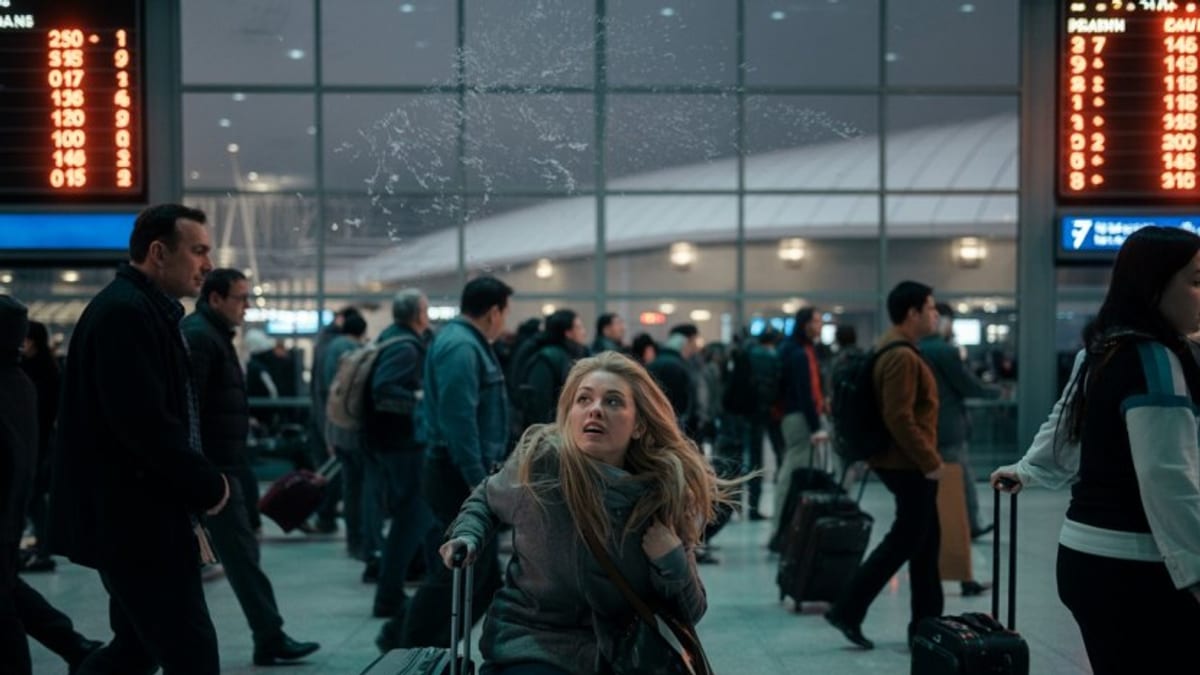
Hundreds of air travelers have been left scrambling for beds, rebookings and basic information after a fresh bout of disruption linked to Charleston International Airport rippled across the United States, snarling connections and stranding passengers far from South Carolina.
Get the latest news straight to your inbox!
Local problems in Charleston trigger national fallout
Recent disruptions involving flights to and from Charleston International have once again demonstrated how a relatively small coastal hub can create oversized headaches across the U.S. aviation system. When aircraft are grounded or diverted in Charleston, knock-on effects can quickly cascade through airline schedules, affecting travelers with no plans to set foot in South Carolina.
Publicly available flight-status data and passenger reports indicate that a cluster of cancellations and rolling delays on routes touching Charleston led to missed connections at major hubs, forcing airlines to rebook travelers on already crowded services. With summer demand running high, many fliers found that the next available seats were not until the following day or later, turning routine itineraries into multi-day ordeals.
The problems have been compounded by the way airlines deploy aircraft and crews on multi-leg rotations. When a plane slated to operate several segments is held in Charleston, each subsequent leg can be delayed or canceled, magnifying the impact from one airport to multiple cities. Travelers bound for destinations including New York, Dallas, Denver and smaller regional fields reported being stranded overnight after their Charleston-linked flights failed to depart on time.
Stranded passengers report long waits and limited information
Accounts shared across social media platforms and traveler forums describe long lines at customer service desks, crowded gate areas and limited access to real-time information as Charleston-related disruptions spread through the network. Some passengers reported receiving only modest meal vouchers despite being stuck in transit for many hours, while others described uncertainty over where their checked luggage had been sent.
In several cases, travelers attempting to reach Charleston found themselves diverted to alternate airports or re-routed through distant hubs, only to discover that onward connections were already full. With hotel inventory tight near many major airports, some chose to sleep in terminals to avoid high last-minute room rates or lengthy journeys to off-airport lodging.
Publicly available airport and airline channels emphasize that rebooking options tend to be most limited late in the day, when aircraft and crews are already heavily committed. As a result, evening disruptions tied to Charleston flights have had outsized effects, leaving travelers with few same-day alternatives and swelling standby lists for early-morning departures.
Operational vulnerabilities at a growing coastal gateway
Charleston International has emerged in recent years as a fast-growing gateway for both leisure and business travel, adding new routes and attracting additional carriers. That growth has delivered more nonstop options but has also exposed vulnerabilities when operations come under stress from weather, technical checks or airspace congestion.
Available operational analyses show that coastal airports can be particularly sensitive to thunderstorms, low visibility and ground stops along the Eastern Seaboard. When such constraints coincide with peak travel periods at Charleston, airlines may face tight turnaround windows, limited spare aircraft and complex crew-rest requirements, all of which increase the likelihood that a local delay will propagate systemwide.
Industry observers note that as smaller and mid-sized airports add more point-to-point service, they take on greater importance in airline networks. A disruption at Charleston can now affect passengers connecting through major hubs as well as those traveling on direct routes, raising the stakes for maintaining resilient schedules and contingency plans.
What travelers can do when Charleston flights go awry
Consumer advocates and travel experts advise that passengers booked on routes touching Charleston take a proactive approach when signs of disruption appear. Monitoring flight status through airline apps and airport information feeds before leaving for the airport can provide early warning of schedule changes or ground delays.
When cancellations strike, publicly available guidance underscores the value of contacting airlines through multiple channels at once, including mobile apps, call centers and social media messaging, rather than relying solely on in-person service desks. Travelers who are flexible about routings, departure times or even nearby airports often have better chances of securing earlier alternatives.
Passengers are also encouraged to keep receipts for any out-of-pocket expenses such as meals, ground transportation or overnight stays incurred during irregular operations. While compensation policies vary by carrier and by cause of disruption, documentation can be important for those seeking reimbursement or travel credits after the fact.
Regulatory scrutiny and calls for stronger protections
The latest wave of Charleston-linked disruptions comes amid broader scrutiny of airline reliability and passenger protections in the United States. Federal regulators have highlighted concerns about repeated operational breakdowns and lengthy tarmac delays, particularly when travelers are left without clear information or basic amenities on board aircraft and in terminals.
Policy discussions in Washington and among consumer organizations have focused on whether current rules provide sufficient incentives for carriers to invest in operational resilience and customer care when flights are canceled or severely delayed. Comparisons are frequently drawn to compensation frameworks in other regions, where travelers may be entitled to standardized payments when disruptions are within an airline’s control.
For now, passengers affected by the latest Charleston flight chaos are largely relying on individual airline policies, travel insurance and goodwill gestures to recover costs and salvage itineraries. As the busy summer season continues, the episode serves as a reminder that even localized problems at a single airport can upend travel plans for people scattered across the country, testing both airline operations and traveler patience.