


More news on this day
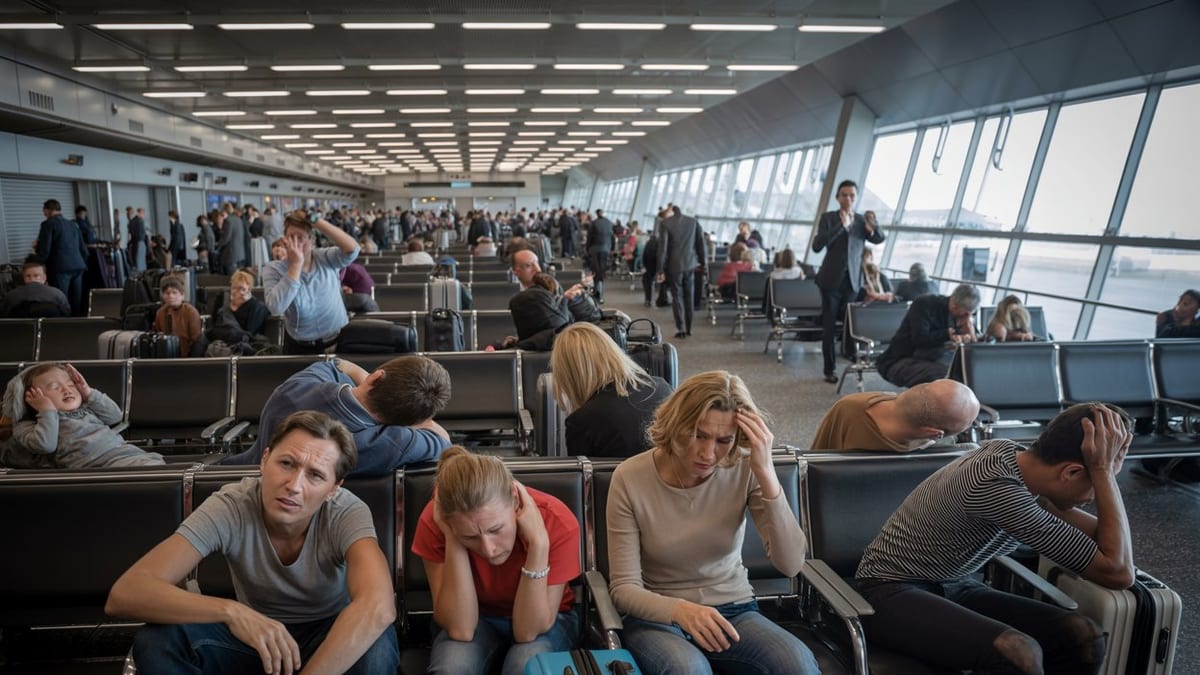
Stranded travellers are gradually returning to Wellington Airport after a terminal fire forced mass evacuations, widespread diversions and an evening shutdown that disrupted air links across New Zealand.
Get the latest news straight to your inbox!
Fire triggers sudden shutdown of key New Zealand hub
Published coverage indicates that a blaze broke out in the main terminal at Wellington Airport on the evening of 12 June, prompting the evacuation of the southwest pier and central terminal building. Smoke spread through parts of the complex, triggering alarms and halting normal passenger processing as emergency services and airport fire crews responded.
Reports from local and international outlets describe several fire appliances, ladder trucks and a mobile command unit attending the incident while access to the airport building was restricted. With the terminal cleared, many passengers were left waiting in car parks and surrounding areas for updates on their flights.
Publicly available information shows that a number of inbound services were diverted to other New Zealand airports as the situation unfolded. The airport’s role as a central domestic hub meant that disruption quickly rippled through the network, affecting travellers well beyond the capital.
Gradual reopening brings diverted passengers back
By late evening, updates from news outlets and airport communications indicated that the fire had been brought under control and that safety assessments were under way inside the affected areas. Technical checks focused on smoke damage, electrical systems and passenger facilities, a process that extended into the night before parts of the terminal could reopen.
According to published coverage, the airport signalled that operations would resume on a phased basis once engineers cleared key sections of the building. That approach allowed airlines to restart a limited schedule while work continued behind the scenes, with priority given to domestic connections and recovery flights repositioning aircraft back to Wellington.
As the first departures and arrivals returned to the boards, passengers who had been diverted to other cities began making their way back to the capital. Some arrived on specially scheduled services, while others were accommodated on regular flights as capacity became available over the following day.
Residual delays and complex rebooking for stranded travellers
Even as the terminal reopened, many travellers continued to face lengthy waits. Public commentary and media reports describe long queues at airline desks as people sought new itineraries after missing onward connections or having late-night flights cancelled during the shutdown.
With aircraft and crew displaced around the country, airlines were still working through backlogs on 13 June, leading to further knock-on delays and schedule changes. Advisories circulating in local media urged passengers to check flight status before heading to the airport and to expect busier than usual check in and security areas over the weekend.
Travel industry commentary noted that some travellers were provided with overnight accommodation and meal support, particularly those left without same-day alternatives once the curfew on late operations limited overnight departures. Others chose to adjust their plans entirely, delaying trips or rerouting via other New Zealand cities where seats were more readily available.
Operational recovery tests airport resilience
The incident has placed a spotlight on the resilience of Wellington Airport, a key domestic gateway that typically handles millions of passengers each year. Recent public financial reports highlight ongoing investment in runway and terminal upgrades, including new safety systems and a modernised fire station, aimed at supporting both growth and emergency readiness.
Observers of New Zealand’s aviation sector note that the speed of the overnight reopening demonstrates how contingency planning and infrastructure upgrades can help limit disruption when unforeseen events occur. At the same time, the backlog of travellers and the complexity of rebooking have underscored how dependent regional centres are on the capital’s air links.
Aviation analysts quoted in open reporting suggest that incidents of this scale often prompt internal reviews of evacuation procedures, communication channels and passenger information systems. Industry watchers expect a similar process in Wellington, particularly around the coordination of updates between airlines, airport management and public-facing channels.
Advice for upcoming passengers as schedules stabilise
As of 14 June, publicly available flight boards across New Zealand indicate that services to and from Wellington are operating again, although with some minor timing adjustments as airlines continue to rebalance fleets and crew rosters. Domestic routes linking the capital with Auckland, Christchurch and regional centres appear to be largely restored.
Travel advisers monitoring the situation recommend that passengers with upcoming journeys allow extra time at the airport over the next couple of days in case of residual congestion. Checking in online, travelling with carry on luggage where possible and staying alert to schedule changes are among the practical steps suggested for reducing stress during the recovery period.
For now, the return of steady passenger flows and the reappearance of regular departure boards signal a cautious return to normality at Wellington Airport. After an unexpected night of fire alarms, diversions and uncertainty, most stranded travellers are once again moving through the terminal on their way to destinations around New Zealand and beyond.