


More news on this day
Faith-based tour operators and ministry networks report that conversations with more than 175 church groups across the United States show robust long-term interest in visiting Israel, even as most congregations postpone travel plans until the security situation in the region stabilizes.
Get the latest news straight to your inbox!
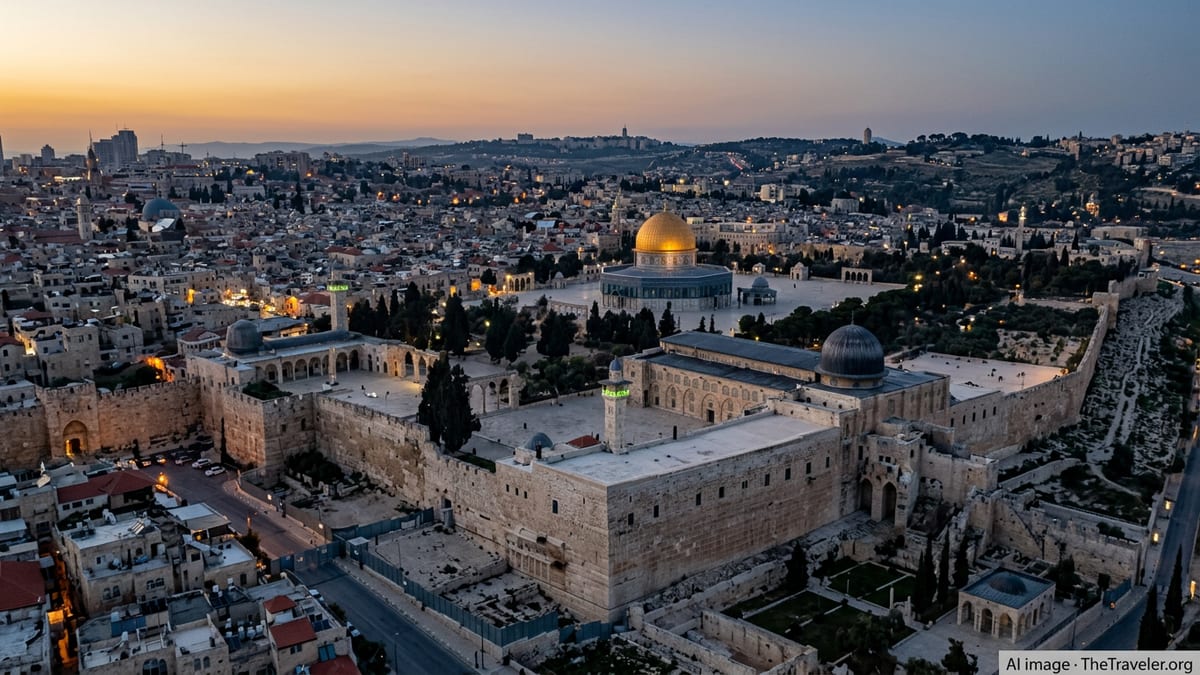
Faith-Based Demand Persists Despite Prolonged Downturn
Religious tourism to Israel has been deeply affected by the Gaza war, with international arrivals dropping sharply since late 2023 and many church groups cancelling or deferring itineraries. Publicly available figures from Israel’s tourism authorities and industry coverage describe a sector that had only just rebounded from the pandemic when the conflict triggered a new wave of postponements and route suspensions. For churches that traditionally organize annual or biennial pilgrimages, the disruption has now stretched across multiple seasons.
Yet tour companies specializing in Holy Land itineraries, as well as Christian ministries that host large-scale events in Israel, indicate that interest from congregations remains high. Firms that focus on church groups, such as U.S.-based organizers of Holy Land packages, continue to market “future-dated” tours and report that pastors are actively reserving space for trips contingent on improved security conditions. Promotional material and booking calendars show group departures placed further into 2026 and 2027, rather than abandoned entirely.
Interviews and testimonies published by Christian media outlets describe pastors who had taken multiple groups to Israel before the conflict and say they intend to return with church members when they consider it safe and responsible to do so. For many congregations, visiting biblical sites is portrayed as a formative spiritual experience and a tangible way to support Christian communities in the region, reinforcing a long-term commitment that appears to outlast current travel disruptions.
Against that backdrop, conversations reported by faith-based travel planners with more than 175 church groups suggest a pattern: wide acknowledgment that now is not the time to travel, combined with clear expressions of intent to resume once the political and security environment allows. The result is a growing reservoir of postponed demand rather than a permanent retreat from the destination.
Security Concerns Drive Postponements, Not Cancellation of Interest
The main barrier for church travel organizers remains safety. Reports from airlines, cruise lines and tour wholesalers show that many international carriers scaled back or temporarily halted flights to Israel after the outbreak of hostilities, complicating logistics for any would-be pilgrims. Insurance considerations and denominational risk guidelines have added additional layers of caution, particularly for groups that include older travelers.
Faith-based tour companies note through publicly available updates that itineraries are being rewritten or re-dated rather than fully abandoned. Some operators have shifted previously scheduled 2024 and 2025 departures into later years, while others have drafted provisional plans that can be activated quickly if ceasefire deals hold and regional tensions ease. These companies emphasize flexible booking policies and late-stage decision points, allowing pastors to gauge developments closer to departure.
Churches also weigh the optics of group travel during an ongoing conflict. Coverage in Christian and secular media shows that many congregations are engaging in humanitarian fundraising and prayer campaigns for all communities affected by the war, even as they press pause on physical visits. For some pastors, returning with a tour group is seen as appropriate only when it aligns with broader peacemaking and reconciliation goals, and when local Christian leaders in the Holy Land signal that large-scale pilgrim traffic is welcome again.
As a result, the discussions reported by tour planners with scores of churches are less about whether to travel and more about when and how to do so responsibly. Church boards ask about security briefings, on-the-ground partners and potential rerouting of visits away from particularly sensitive border areas. These questions, industry observers say, point to cautious engagement rather than disengagement.
Tourism Industry Positions for a Post-Conflict Rebound
Israel’s tourism officials and private-sector partners have publicly identified faith-based travelers from the United States as a critical segment in any eventual recovery. Statements highlighted in Christian-focused coverage from Israel describe efforts to keep communication channels open with pastors, Christian broadcasters and tour organizers, even while large-scale pilgrimage traffic remains depressed. The emphasis is on assuring potential visitors that infrastructure will be ready when they choose to return.
Faith-oriented tour operators and ministries are likewise positioning themselves for a surge once conditions improve. Companies that specialize in Holy Land travel for church groups have refreshed itineraries, produced new educational resources and expanded digital outreach. Their public materials encourage pastors to “start planning now,” reflecting an assumption that pent-up demand will require additional departure dates and expanded capacity once travel resumes at scale.
Some organizations that combine teaching conferences with on-site visits to biblical locations have already scheduled future Israel events on their calendars, set well beyond current conflict timelines. These plans, advertised openly to church audiences, signal institutional confidence that the destination will once again be central to evangelical and broader Christian travel patterns, even if the exact timing depends on developments at the borders and in regional diplomacy.
Industry analysts following religious tourism trends suggest that when conditions permit, Israel could see a compressed wave of delayed pilgrimages from churches that postponed trips during both the pandemic and the war period. This scenario would echo post-pandemic travel patterns, when tour operators reported unusually strong interest from groups eager to make long-anticipated journeys.
Ethical Questions Shape How Churches Plan Future Visits
Alongside questions of safety, many church leaders and congregants are openly wrestling with the ethics of pilgrimage during and after a destructive conflict. Commentaries in Christian publications, as well as statements from church networks with ties to Palestinian Christians, highlight concerns about the impact of religious tourism on local communities and the need to hear from churches in the region before resuming large group visits.
Some voices within mainline and evangelical traditions call for rethinking itineraries to include more engagement with local Christian institutions, humanitarian projects and dialogue initiatives. They argue in editorials and briefing papers that when pilgrimages resume, they should more intentionally support vulnerable communities and reflect awareness of the war’s toll on civilians. This conversation is shaping how planners describe their future tours, with an increased emphasis on educational content, context briefings and opportunities to meet local believers where possible.
The effect on demand appears nuanced. While a subset of churches is considering boycotts or divestment from tourism tied to official Israeli institutions, others frame travel as an act of solidarity with both Israeli and Palestinian communities and with historic Christian sites. In discussions reported by travel planners, these differing perspectives often surface within the same congregation, leading to extended discernment periods before decisions are made about when and how to travel.
What emerges from these debates is not a simple decline in interest but a reconfiguration of expectations. A significant share of the 175 church groups consulted reportedly wants to return to Israel, but with itineraries and partnerships that reflect lessons learned from the war, emphasize listening to local perspectives and seek to avoid exacerbating political polarization back home.
Pent-Up Pilgrimage Intent Signals Long-Term Commitment
Religious tourism to Israel has experienced repeated shocks in recent years, from pandemic border closures to renewed conflict. Nonetheless, historical patterns show that pilgrimage flows tend to recover once travelers perceive a baseline of stability. Analysts looking at the pre-2020 record year for tourism point to the resilience of demand among Christian visitors, who often view a Holy Land journey as a once-in-a-lifetime or once-in-a-ministry milestone.
The most recent round of consultations with more than 175 church groups, as described by faith-based travel organizers, appears consistent with that pattern. While the near-term outlook remains constrained by security concerns and moral debate, the medium- to long-term picture is one of sustained interest. Pastors are penciling in tentative years rather than cancelling entirely, and congregants continue to attend trip information meetings, even if final commitments are delayed.
For Israel’s tourism sector, this represents both a challenge and an opportunity. The challenge lies in enduring a prolonged slump while investing in infrastructure, marketing and relationship-building with global church networks. The opportunity resides in the likelihood that, once regional stability improves, a substantial cohort of church groups will be ready to confirm postponed trips, potentially accelerating the pace of recovery.
As the conflict and diplomatic efforts continue to evolve, church leaders, tour operators and local communities are watching closely. The broad signal emerging from current conversations is that demand for Israel travel among church groups has not disappeared. It has, instead, moved to the waiting room, poised to return when regional conditions allow journeys of faith to proceed with greater safety and conscience.