


More news on this day
Airline delays at Bill and Hillary Clinton National Airport in Little Rock now come with an unexpected dose of comfort, as a soft, grey therapy rabbit named Clover hops through the concourse to greet anxious and delayed travelers.
Get the latest news straight to your inbox!
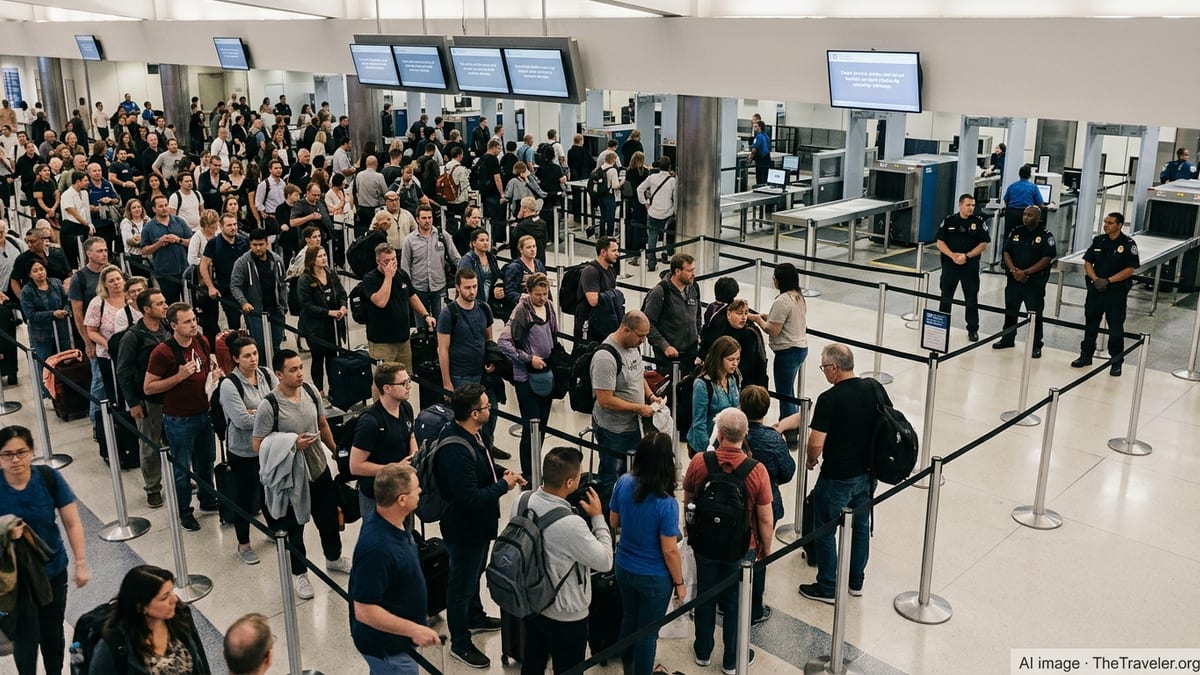
A therapy rabbit joins the airport comfort trend
Bill and Hillary Clinton National Airport, which serves as Arkansas’s largest commercial air hub, has joined a growing number of U.S. airports experimenting with therapy animals to support traveler wellbeing. Publicly available information identifies Clover as a trained therapy rabbit that visits the Little Rock terminal to interact with passengers, particularly during peak travel periods and weather disruptions when delays are common.
The airport, also known as Adams Field, handles more than two million passengers annually and functions as a key regional gateway for central Arkansas and neighboring states. Within that busy setting, Clover’s role is to offer a moment of calm in an otherwise stressful environment, especially for families traveling with children or individuals who experience flight anxiety.
By introducing a rabbit instead of the more typical therapy dogs, the program highlights how airports are diversifying their customer-service strategies and testing new ways to make time at the gate feel less like lost hours and more like a compassionate pause in the journey.
The initiative reflects a broader post-pandemic emphasis on passenger experience, as airports compete not only on routes and amenities, but on how effectively they can reduce the emotional strain of modern air travel.
How Clover helps delayed and anxious travelers
Reports and shared accounts from passengers indicate that Clover spends time in pre-security and gate areas, where crowds gather during delays or schedule disruptions. Travelers are invited to approach, pet, or simply watch the rabbit as she is guided through the concourse by a handler, creating an informal and approachable interaction.
For many passengers, particularly children facing their first flight or frequent flyers worn down by tight connections, the chance to focus on a calm animal can be grounding. Behavioral research on therapy animals in hospitals, schools, and high-stress workplaces has consistently linked brief interactions with reduced perceived stress, lower heart rate, and improved mood, and those same benefits are increasingly being sought in airport environments.
Early reactions shared through social channels and local coverage suggest that the rabbit’s presence has quickly become a memorable part of the Clinton Airport experience. Families are seen pausing their rush to the gate to kneel beside Clover, while solo travelers often stop to take photos and share the encounter with friends and relatives following their trip.
Because Clover is small and carried or guided on a leash, the program also appears designed to manage concerns about crowding or fear of larger animals, making the therapy experience approachable even for travelers who might be hesitant around dogs.
Part of a wider movement toward animal-assisted comfort
Airports across the United States began experimenting with organized therapy animal programs long before Clover’s arrival in Little Rock. Large hubs such as Los Angeles International and Denver International gained attention for deploying volunteer teams of certified therapy dogs in terminal areas, and similar efforts have gradually spread to mid-sized and regional airports.
These programs are typically structured around teams of volunteers who visit at scheduled times, following clear rules about where and how the animals can interact with the public. Little Rock’s decision to highlight a rabbit aligns with a shift toward more varied species, including miniature horses and other small animals, that are appearing in carefully controlled settings at some transportation hubs and healthcare facilities.
Animal-assisted comfort efforts are often promoted as a low-cost way to boost passenger satisfaction scores while signaling that an airport is attentive to mental and emotional health. For travelers, the effect can feel more personal than traditional amenities such as upgraded seating or new concessions, because the interaction involves eye contact, touch, and unstructured conversation around the animal.
Clover’s presence adds a distinctive local touch to Clinton Airport’s customer-service portfolio, differentiating the Little Rock gateway from other regional facilities that may not yet offer any form of therapy animal program.
What visitors should know before meeting Clover
Travelers who hope to encounter Clover should keep in mind that therapy-animal visits typically follow planned schedules, subject to change based on volunteer availability, animal welfare considerations, and security or operational needs in the terminal. The rabbit’s appearances are generally framed as a bonus rather than a guaranteed amenity for every departing or arriving passenger.
Publicly available guidance on therapy animals in transportation settings emphasizes low-impact interaction. Passengers are usually encouraged to approach calmly, ask the handler before petting, and step back if the animal shows signs of fatigue or overstimulation. These same practices are likely to apply to Clover’s visits at Clinton Airport, helping to protect the rabbit’s wellbeing while keeping the experience positive for travelers.
Families with young children may find it helpful to prepare them for gentle behavior, including soft voices and careful hands, so the interaction remains safe and enjoyable. Travelers with allergies or who prefer to keep their distance can still observe from afar, since the rabbit’s movements are typically limited to defined areas of the concourse.
Before or after meeting Clover, passengers can also take advantage of the airport’s standard amenities, which include food and beverage options, seating areas, and designated pet-relief facilities for service animals and pets accompanying travelers. Together with the therapy rabbit program, these facilities work toward a more humane and less stressful experience during delays.
A softer image for a busy regional hub
For Bill and Hillary Clinton National Airport, the introduction of a therapy rabbit serves not only as a passenger amenity but also as a distinctive branding element. As Arkansas’s primary commercial airport and a key link to destinations across the United States, the facility functions as a first and last impression of Little Rock for many visitors.
Positioning a gentle, approachable animal at the heart of the terminal helps soften the image of security lines, boarding calls, and overhead announcements, presenting a more welcoming face to the city and state. It also fits into wider efforts by airports to show support for travelers of all ages, including those who may be nervous, overstimulated, or overwhelmed by crowds and noise.
As therapy animals move from hospitals and campuses into airports and other mobility hubs, Clover’s quiet rounds at the gates in Little Rock illustrate how small-scale programs can make a noticeable difference in the tenor of a busy public space. For delayed passengers facing a long wait, a few minutes with a friendly rabbit may be enough to change the tone of an entire travel day.
Travelers planning to connect through Little Rock in coming months may increasingly encounter Clover and similar initiatives that put emotional comfort on the same agenda as on-time performance, signaling a subtle but meaningful evolution in how airports think about hospitality.
https://www.clintonairport.com
https://www.littlerock.com/plan-your-trip/transportation/clinton-national-airport/
https://www.aaai.org/ocs/index.php/SSS/SSS14/paper/viewFile/7665/7512