


More news on this day
Colombia is moving to the forefront of luxury sailing and marine tourism in the Caribbean, as Cartagena, Santa Marta and a growing network of coastal destinations invest in marinas, cruise infrastructure and high-end nautical services aimed at international travelers.
Get the latest news straight to your inbox!
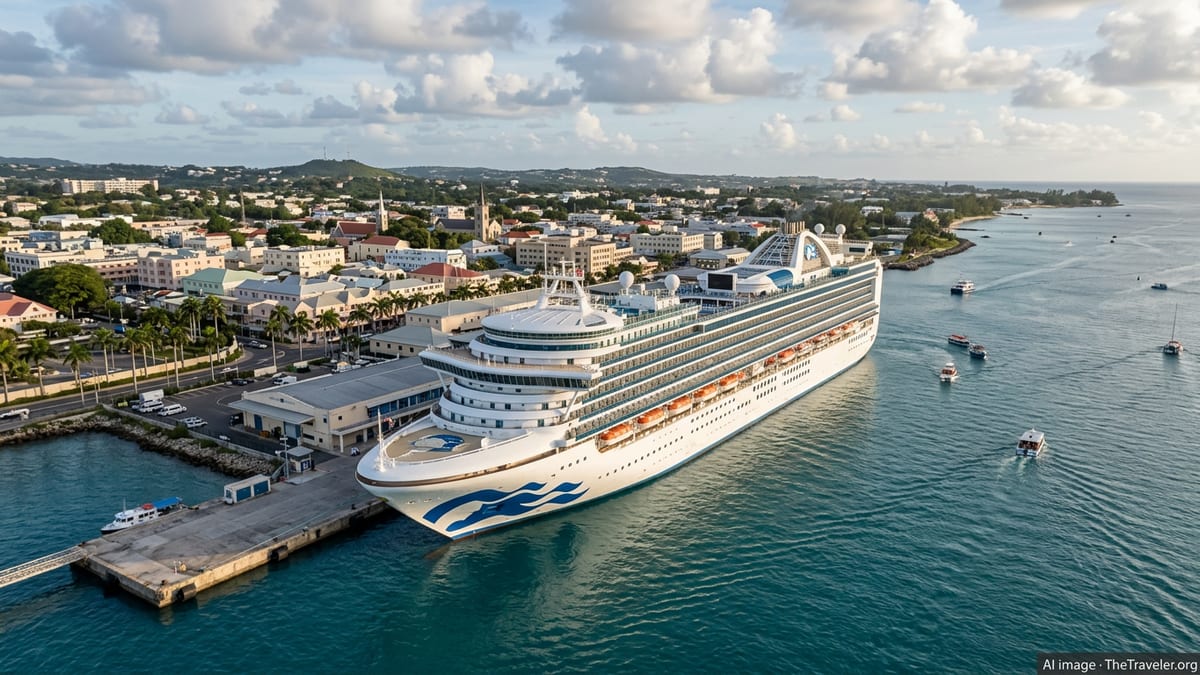
Caribbean Gateways Compete for High-End Yachts
Cartagena and Santa Marta are emerging as complementary hubs on Colombia’s Caribbean coast, drawing in cruise lines, private yachts and charter operators targeting affluent visitors. Publicly available information shows that both ports are central to the country’s broader transport system, with Cartagena and Santa Marta ranked among Colombia’s most important ocean terminals. This existing commercial footprint is increasingly being leveraged to support tourism-focused piers, yacht services and ancillary visitor infrastructure oriented to luxury markets.
In Cartagena, the historic walled city and sheltered bay have become a natural staging point for yacht excursions to the Rosario Islands and Barú, along with longer sailing itineraries toward Panama’s San Blas archipelago. Charter companies now market full-day and multi-day private yacht and catamaran trips that pair cruising with snorkeling, diving and beach-club experiences, positioning the city as a base for premium small-boat tourism rather than just large cruise calls.
Santa Marta, by contrast, is building its appeal as a gateway for nature-driven luxury. The city sits at the foot of the Sierra Nevada de Santa Marta and near Tayrona National Natural Park, giving visiting yachts and small cruise ships direct access to protected bays, rainforests and indigenous cultural sites. Recent cruise calls and high-season passenger data highlighted by maritime authorities indicate that more travelers are using the port to connect upscale coastal stays with trekking, birdwatching and marine excursions.
The growing concentration of nautical activity in these ports is reinforced by broader regional projects, such as proposals for a Caribbean regional rail line linking Cartagena and Santa Marta. While primarily conceived as a mobility and logistics initiative, this kind of overland connection would further integrate the two cities into a single coastal tourism corridor, making it easier to combine marina stays, inland excursions and multi-port itineraries.
State Policy Backs Nautical Tourism and Shipbuilding
Colombia’s push into luxury sailing is underpinned by a suite of national policies that treat the ocean and coastal zones as strategic assets for development. Official planning documents on maritime strategy and ocean policy for the 2023–2026 period emphasize safer navigation, modern port services and sustainable use of marine ecosystems. These frameworks seek to synchronize the work of agencies involved in maritime safety, tourism, environment and port logistics, so that the regulatory environment keeps pace with the expansion of nautical tourism.
The Ministry of Commerce, Industry and Tourism has also highlighted nautical tourism as a priority within its broader tourism infrastructure policy. Earlier sectoral strategies set the goal of positioning Colombia as a leading destination for nature and cultural tourism, which includes the development of marinas, tourist piers and nautical bases. Recent program results presented for the country’s shipbuilding and repair industry point to plans for Colombia to become a regional reference in the design and construction of vessels, suggesting that the growth of marinas and tourism routes may be matched by increased local capacity to service and build yachts and tour boats.
Maritime authorities have reinforced this policy environment with practical control and safety infrastructure. The national maritime directorate operates vessel traffic management and search-and-rescue services from stations in key ports including Cartagena, Santa Marta, Barranquilla, Buenaventura, Tumaco and island territories. This network supports the safe movement of both commercial and tourist vessels, which is an important draw for high-value travelers and operators who expect international standards of safety and oversight when planning luxury cruises or private-charter itineraries.
At the same time, Colombia’s beach and coastal tourism guidelines frame the country’s 3,800-kilometer shoreline as a strategic tourism asset that must be managed for environmental quality and visitor experience. This approach is particularly relevant for yacht marinas and cruise piers, which depend on clean water, stable shorelines and resilient coastal communities in order to maintain their attractiveness to discerning travelers.
New Piers, Passenger Surges and Evolving Cruise Itineraries
On the ground, a series of infrastructure projects and passenger trends is reshaping how visitors experience Colombia from the water. In Cartagena, the city government recently advanced work on the modernization of the Muelle de La Bodeguita, a downtown pier that serves tourist boats bound for nearby islands. The first phase of this project, delivered in 2024, focuses on improving docking capacity and safety conditions for tourist vessels, reinforcing Cartagena’s role as a launch point for island-hopping and daytime yacht excursions across the bay.
Santa Marta has recorded notable growth in maritime passenger movements during recent high seasons. Data shared by the national maritime directorate’s port authority in Santa Marta show that more than one hundred thousand passengers used maritime transport between mid-December 2024 and mid-January 2025 to reach nearby beach destinations. These movements include both organized boat tours and water shuttles, signaling a steady normalization of sea-based mobility for tourists in and around the city.
On the cruise side, published coverage describes how luxury vessels have begun to include Santa Marta on itineraries that previously focused on Cartagena or bypassed Colombia altogether. The arrival of premium small-ship and yacht-style cruises in early 2024, with suites and high-end services on board, is presented by local and national tourism entities as a sign that the country is gaining credibility with operators targeting upper-income segments. Similar patterns are visible in marketing materials for high-end global travel products scheduled for 2027, which feature Cartagena as the base for curated sea experiences along the Caribbean coast.
Combined with increasing charter traffic in Cartagena’s bay, these developments suggest that Colombia is moving beyond being a one-off cruise stop. Instead, its Caribbean ports are being packaged as part of longer, experience-rich journeys that blend urban heritage, island landscapes and water-based recreation for travelers willing to spend more per day at destination.
Sustainability, Science and Coastal Communities
Colombia’s nautical ambitions are unfolding alongside efforts to better understand and protect its marine and coastal environments. National plans for marine scientific expeditions seek to generate knowledge that supports sustainable development of maritime territories, including the conservation of coral reefs, mangroves and coastal wetlands. These initiatives are backed by interagency commissions that bring together defense, environment and tourism authorities around shared objectives in marine governance.
In Santa Marta, recent events tied to the city’s annual sea festival illustrate how research and outreach are being woven into the tourism calendar. The arrival in July 2024 of the ARC Simón Bolívar, a polar-capable research vessel, for public visits in the port coincided with cooperation agreements to study offshore renewable energy and decarbonization projects. Such activities underscore the country’s intent to link its growing nautical tourism profile with climate and conservation agendas that are increasingly important to international travelers.
At the community level, coastal cities are grappling with the dual pressures of rising visitor numbers and the need to maintain local livelihoods. Policy guidelines for tourist beaches call for management models that involve local stakeholders, regulate informal activities and address issues such as water quality, erosion and public access. In practice, this can affect everything from how new marinas are integrated into urban waterfronts to how smaller coastal communities are prepared to host yacht tenders and excursion boats without undermining environmental or social resilience.
For high-end travelers and operators, these sustainability efforts form part of the destination’s value proposition. As Colombia’s Caribbean and Pacific ports continue to diversify their tourism offerings, the extent to which nautical growth is aligned with scientific monitoring and coastal community priorities is likely to influence how the country is perceived in a competitive market for luxury sailing.
Beyond Cartagena and Santa Marta: Toward a Two-Ocean Nautical Network
While Cartagena and Santa Marta currently anchor much of the narrative around luxury sailing in Colombia, other ports are gradually entering the picture. Official overviews of maritime infrastructure emphasize that Buenaventura and Tumaco on the Pacific, along with Caribbean ports such as Barranquilla and San Andrés, form part of a wider two-ocean network of terminals and coast guard stations. As nautical tourism evolves, these locations are seen as candidates for future marinas, expedition cruise calls and specialized adventure itineraries.
The Pacific coast, with its dense forests, high rainfall and limited road access, has historically presented challenges for conventional tourism development. However, discussions about improving fluvial connectivity and safeguarding sensitive ecosystems indicate that any expansion of nautical tourism there would likely lean on small-scale, low-impact formats, including expedition yachts, dive liveaboards and community-based marine tourism projects. This would mirror global trends in which remote coastal destinations position themselves as exclusive, nature-focused alternatives to more urbanized hubs.
In the Caribbean, secondary ports and island territories are also poised to benefit from the spillover of nautical activity from Cartagena and Santa Marta. As marina capacity tightens and demand for bespoke itineraries grows, operators may increasingly look toward quieter bays, fishing towns and islands that can host overnight anchorages and shore excursions. If supported by improved maritime safety services and consistent environmental standards, these areas could help Colombia present itself not just as a stop along established Caribbean routes, but as a standalone sailing region where travelers can combine cultural cities, protected natural areas and frontier coastal experiences.
The result is a country gradually aligning its coastal infrastructure, maritime policy and tourism promotion to capture a larger share of the luxury nautical market. Cartagena and Santa Marta remain at the center of this transformation, but the long coastline and dual-ocean geography give Colombia a rare opportunity to build a diversified, resilient marine tourism offer that extends far beyond its marquee ports.