


More news on this day
Hands-on “skillcations” that pair travel with learning everything from silversmithing to regenerative ranching are gaining momentum across Colorado, reflecting a wider U.S. shift toward purposeful trips that invest time and money in local skills, culture and small businesses.
Get the latest news straight to your inbox!
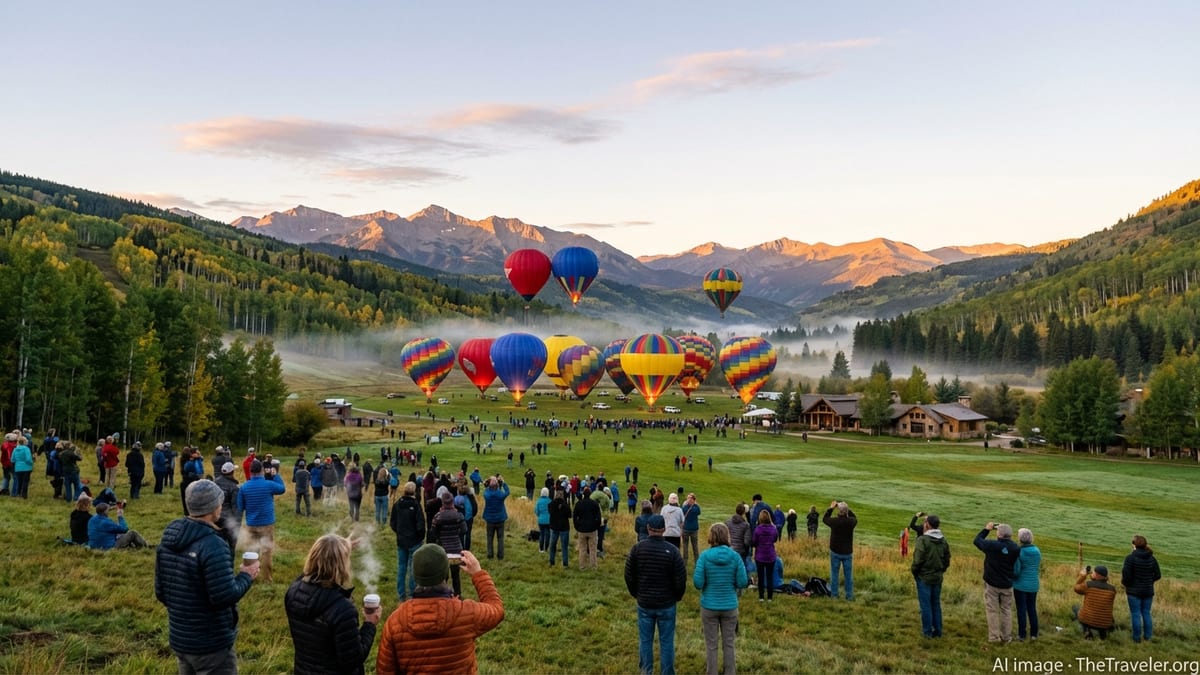
From Vacation to Skillcation in the Rocky Mountains
Across Colorado, ranches, farms and creative retreats are reframing time off as time to learn. Instead of traditional sightseeing, visitors are booking multi-day stays that center on specific skills such as jewelry making, culinary techniques and land stewardship, all while staying on working properties and guest ranches. Publicly available information shows that these experiences are designed around small groups, immersive workshops and direct interaction with local landscapes and producers.
At Redwing Ranch near Gardner, a four-day “Silver & Soil” program scheduled for September 2025 invites guests to learn beginning silversmithing on a working ranch setting, combining studio time with walks through pastures and along a nearby river. Guests leave with finished pieces and starter kits to continue practicing at home, illustrating how Colorado skillcations emphasize long-term learning rather than one-off activities.
Similar concepts are emerging on educational farms in western Colorado. At Groundwork Educational Farm in Paonia, a weeklong “Creating Beauty Through Land-Based Craft” immersion planned for October 2025 focuses on skills tied to local ecology, including basketry, leatherwork, natural fibers and fire-based pottery. Organizers describe the program as a way for participants to deepen their connection to place and carry those practices back to their home communities, reinforcing the idea that travel can be a catalyst for broader lifestyle changes.
These extended workshops reflect a national trend toward experiences that feel productive as well as restorative. Travelers are seeking itineraries that add tangible skills and stories to their lives, and Colorado’s mix of ranch lands, creative communities and agrarian heritage has positioned the state as a natural testing ground.
Ranch Retreats Blend Western Heritage With New Skills
Colorado’s guest and dude ranches have long promised a taste of Western life, but many are now layering in structured learning to appeal to purpose-driven travelers. State tourism guidance highlights property offerings that go well beyond horseback riding, with opportunities to learn roping, trap shooting, archery and animal care, especially for families looking for activity-rich vacations.
Some ranch stays increasingly resemble short courses in rural living. Colorado farm-stay roundups describe itineraries where visitors observe or join in cheese making, pick vegetables for dinner, participate in butchery or food-preservation classes, or watch horses being shod while learning about regenerative grazing. These experiences are typically optional rather than required, allowing guests to balance leisure with new skills, but they still shift a vacation from passive consumption to active involvement.
At properties such as Buckethead Ranch near Hayden, promotional materials outline hands-on culinary experiences built around local ingredients, from open-fire cooking to seasonal farm-to-table menus. Guests can sign up for cooking classes and mixology sessions that teach techniques alongside tastings, an example of how ranch-based skillcations frequently combine instruction with Colorado’s growing food and drink scene.
Other ranch communities emphasize education linked directly to land and water. Workshops at Badger Creek Ranch, for instance, have included multi-day sessions on erosion control, riparian restoration and holistic land management, targeting both working ranchers and curious visitors who want to understand Western landscapes. The result is a spectrum of offerings that connect travelers more closely to the realities of life and work in rural Colorado.
Agritourism and Creative Retreats Support Local Economies
The spread of skillcations in Colorado intersects closely with agritourism, as farms and ranches find new revenue in education-focused stays. Colorado agritourism advocates point to farm-stay programs where visitors tour pastures, learn about grass-fed cattle operations or heritage livestock, and see firsthand how artisanal cheese, vegetables and meats are produced. These activities can diversify income for family operations while drawing visitors to smaller communities that often sit outside traditional resort corridors.
Guidestone Colorado, a nonprofit centered on agricultural education and heritage, promotes programs at historic ranch sites where youth and families engage in hands-on learning tied to current ranching practices and the cultural history of the homestead. Public descriptions of these efforts note that participants explore traditional skills, regional food systems and the stories of Indigenous and settler communities, adding a cultural layer to practical instruction.
Beyond agriculture, creative venues are also capitalizing on skill-based travel. The Retreat at Capella Ranch in Lafayette markets itself as a small-group stay designed with crafters in mind, featuring flexible workspaces suitable for sewing, quilting, art workshops and other maker-focused gatherings. Organizers pitch the setting as a place where groups can rent an entire farmhouse for multiday retreats, combining dedicated project time with views of a working family farm.
These models help channel travel spending directly into local ecosystems, from hiring regional instructors and guides to showcasing nearby food producers and artisans. For small towns, even a handful of multi-day workshops can translate to more occupancy nights, restaurant visits and repeat trips, reinforcing the economic case for skillcations.
Purposeful Travel Aligns With Sustainability and Regeneration
Many of Colorado’s emerging skillcations frame learning as part of a broader shift toward sustainability. On regenerative ranches such as Uncompahgre Farms on the Western Slope, internship and training programs invite participants to spend an entire season studying rotational grazing, soil health and low-stress livestock handling. While these internships extend beyond typical vacation time, their structure illustrates how the state is becoming a laboratory for travelers who want to connect recreation with environmental action.
Workshops in land-based craft and wild-skills education also emphasize resource awareness. Programs focused on foraging, natural dyes, basketry and hide tanning often highlight responsible harvesting and the cultural histories of materials, encouraging participants to consider how their hobbies intersect with local ecosystems. In this context, the travel experience becomes a gateway into climate-conscious practices and respect for traditional knowledge.
Colorado tourism materials on farm and ranch stays increasingly highlight themes of stewardship, such as learning how water is allocated in arid landscapes, how farmers adapt to changing weather patterns, and how diversified operations can stabilize rural livelihoods. Visitors who arrive for a silversmithing or cooking workshop often leave with a deeper grasp of the challenges and innovations shaping modern agriculture in the interior West.
This alignment between purposeful travel and regeneration mirrors broader U.S. consumer trends, in which travelers seek experiences that feel less extractive and more reciprocal. Skillcations that teach guests to repair, grow, cook and craft can reinforce values of reuse and resilience long after the suitcase is unpacked.
Colorado’s Role in the Broader U.S. Skillcation Landscape
Nationally, interest in learning-based getaways spans everything from urban cooking schools to backcountry bushcraft courses. Colorado’s recent momentum suggests the state is claiming a prominent share of that market, thanks to an existing base of dude ranches, outdoor educators, arts communities and agritourism operators that can adapt quickly to changing traveler preferences.
Online discussions among travelers frequently mention Colorado ranches and retreats when seeking destinations that combine scenic settings with structured instruction. Inquiries range from families planning large multi-generational gatherings at luxury guest ranches to individuals looking for multi-day wilderness skills intensives, culinary retreats or writing workshops in mountain towns. These conversations signal that travelers increasingly weigh educational value alongside scenery and amenities.
Industry observers note that Colorado’s proximity to major air hubs, established tourism infrastructure and strong branding around outdoor recreation give it an advantage in marketing skillcations to domestic and international visitors. Destination marketing campaigns now often spotlight experiences in which guests “learn with locals,” from cheese making on century-old farms to square-dancing at historic mills.
As U.S. travelers look for trips that feel purposeful and rooted in place, Colorado’s network of ranches, farms and creative spaces is using skillcations to translate interest into bookings. The result is a model in which visitors can return home with more than photos, carrying new skills, deeper connections to Western culture and a clearer understanding of the rural economies their travel dollars support.