


More news on this day
Residents in part of Crawford County, Ohio were ordered to leave their homes late Saturday after a freight train derailed in Bucyrus, triggering concerns over a possible hydrochloric acid leak and prompting warnings about a potential explosion from a damaged tanker car.
Get the latest news straight to your inbox!
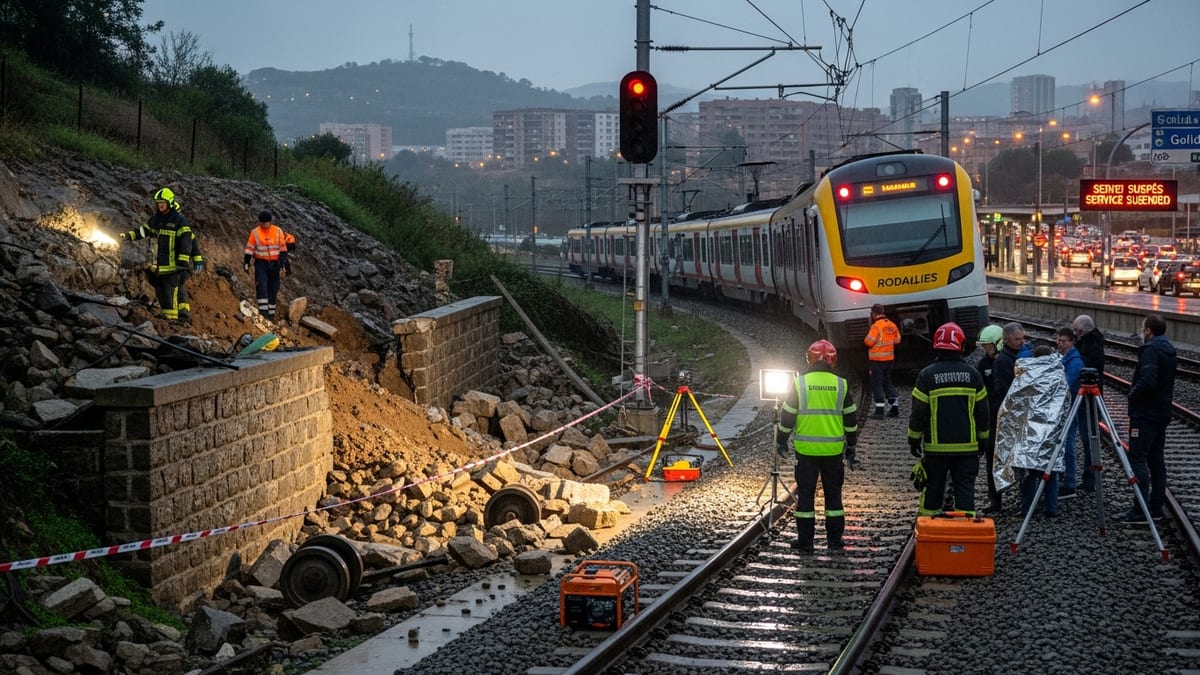
Evacuation zone established around derailment site
Publicly available local coverage indicates that the derailment occurred on the evening of July 5 in the vicinity of Whetstone Street and Auto Avenue in Bucyrus, a small city in Crawford County. The incident involved a freight train with at least one tanker car reported to be carrying hydrochloric acid.
Initial alerts from local agencies and regional media described an evacuation area within roughly one mile of the derailment site, with later reports narrowing the zone to about one third of a mile as responders refined their assessment of the risk. Residents inside the zone were asked to leave their homes as a precaution while specialists evaluated the integrity of the tanker and monitored the air.
Images shared through local news outlets show derailed railcars tilted along the tracks, including at least one tanker car of concern. Nearby streets were closed to through traffic as crews moved equipment into position and established a secure perimeter around the affected railcars.
Notifications urged the public to avoid the Whetstone Street and Auto Avenue area to keep access clear for emergency vehicles and to reduce the chance of exposure should conditions worsen around the suspected leak.
Concerns over chemical leak and explosion risk
Reports from regional broadcasters and community news sites state that responders identified a potential leak of hydrochloric acid from one tanker car. Hydrochloric acid is a corrosive chemical used widely in industrial processes and, at sufficient concentrations, can irritate or damage skin, eyes, and respiratory systems.
Because of the product involved, responders treated the situation as a hazardous materials incident. Publicly available information notes that there was concern not only about fumes from a possible leak, but also about a potential explosion, which contributed to the decision to move people out of the immediate area and to keep the public at a distance.
Specialized hazmat teams worked at the scene through the night to assess the status of the tanker and determine whether it was actively leaking, while also checking other derailed cars for additional risks. The priority in the early hours focused on containment, air monitoring, and preventing any escalation that could endanger nearby homes and businesses.
As of early Sunday, published coverage described the situation as ongoing, with crews still on site and no firm public timeline for when the evacuation zone might be reduced or lifted.
Shelter and assistance for displaced residents
To support those asked to leave their homes, local emergency managers arranged for Bucyrus High School to open as a temporary shelter. Reporting from community outlets indicates that evacuees were invited to use the facility for overnight lodging, basic needs, and a safe waiting area while the rail incident continued.
The availability of a nearby shelter allowed residents who lacked alternative accommodations with family or friends to relocate quickly away from the evacuation zone. It also provided a central point where updates could be shared with evacuees and where support organizations could coordinate any additional services if the disruption extended.
Emergency messages advised residents to bring essential medications, identification, and any supplies needed for family members or pets if time allowed, reflecting the uncertainty about how long the response might take. For many, the evacuation came late in the day, adding to the logistical challenge of leaving at short notice.
Local media accounts noted that while the number of people directly affected by the evacuation order appeared limited to a defined area near the tracks, the derailment prompted wider concern in Bucyrus as residents followed developments and awaited further official advisories.
Ongoing investigation and broader safety questions
As emergency work continued at the site, rail and safety investigators were expected to review what led to the Bucyrus derailment, including train operations, track conditions, and the performance of the cars involved. Published references to past derailments involving hazardous materials in other communities highlight how such incidents often prompt renewed scrutiny of rail safety practices.
In recent years, several high profile derailments across the United States have involved chemicals that triggered evacuations, shelter in place orders, or long term environmental assessments. Public discussion has increasingly focused on the frequency of trains carrying hazardous cargo through small cities and towns, and on the readiness of local responders to manage rare but high impact events.
The Bucyrus incident drew attention to familiar questions about notification systems, evacuation planning, and coordination between local responders and rail operators. Hazard mitigation plans for many counties contemplate derailment scenarios, but each real world emergency can expose gaps in communication or resource availability that planners later seek to address.
While detailed findings on the Crawford County derailment will take time to emerge, the immediate priority for residents remained clear: ensuring that any chemical risk is contained, that the evacuation area is truly safe before people return, and that longer term monitoring needs are identified as the site transitions from emergency response to cleanup.