


More news on this day
Holidaymakers on a Carnival cruise in the Gulf of Mexico found themselves unexpected witnesses to a tense nighttime rescue this week as a stranded sailor and his cat were pulled from a failing sailboat and brought safely aboard the larger vessel.
Get the latest news straight to your inbox!
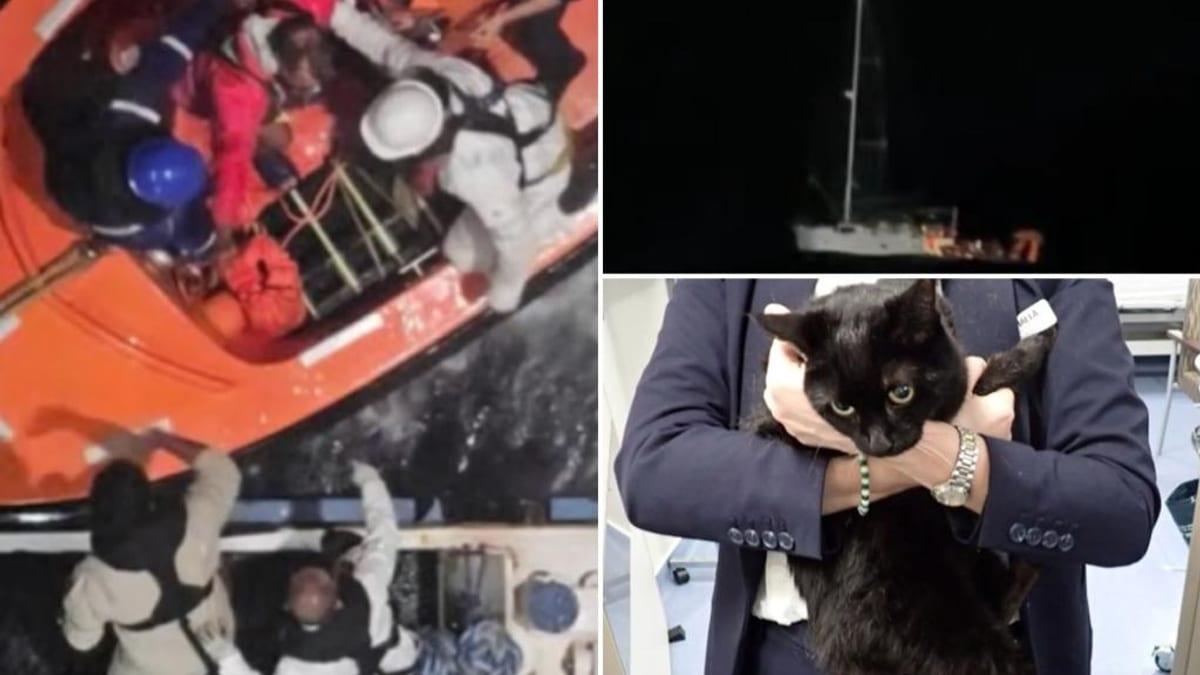
Emergency Flares Turn Quiet Night at Sea Into High Drama
The incident unfolded on the evening of April 14, when the Carnival Legend was sailing toward Cozumel on a 10 day itinerary from Galveston, Texas. Reports indicate that the bridge team spotted emergency flares coming from a small sailboat adrift in the Gulf of Mexico near the Mexican coast.
Publicly available information shows that the sailboat had been disabled for roughly four days, leaving a lone sailor and his black cat, named Dahlia, without propulsion and in need of help as darkness fell. The distress flares, visible from the cruise ship’s decks, quickly drew the attention of both crew and passengers.
According to published coverage, the Carnival Legend altered course to investigate the signal, a standard response under international maritime obligations to aid those in distress at sea. Many guests, some marking milestone celebrations, were lining the open decks when the ship slowed and searchlights swept across the waves toward the smaller vessel.
Passenger accounts shared on social media describe an initially confusing scene that soon became clear as word spread that the ship was responding to a stranded sailor. The glow of the flares and the powerful beams from the cruise ship’s lights created an eerie tableau in the surrounding darkness.
Crew Launch Rescue Boat to Reach Disabled Sailboat
Once the sailboat was located, the cruise ship launched a rescue boat to reach the vessel, a maneuver that requires careful coordination, particularly at night and in open water. Video and photos posted by travelers show the small craft lowering from the side of the ship and heading toward the stranded boat as hundreds of onlookers watched from balconies and railings.
Reports from cruise focused outlets indicate that the sailboat had suffered a mechanical failure, leaving it unable to make way on its own. After days adrift, the sailor used signaling devices to attract the attention of passing traffic, eventually catching the eye of the Carnival Legend’s bridge team.
Witnesses describe a tense period as the rescue boat maneuvered alongside the sailboat in the swell. With both vessels moving independently, timing the transfer was crucial for the safety of the rescuers, the sailor and the cat. From the decks above, guests watched as crew members assisted the man aboard the rescue craft before carefully retrieving Dahlia, who had remained with him throughout the ordeal.
According to coverage of the event, both were brought back to the main ship without injury. The images circulating online show the sailor stepping onto the Carnival Legend’s deck still clutching his cat, drawing cheers and applause from those who had gathered to witness the rescue.
Four Days Adrift Highlight Risks for Solo Sailors
Information shared in regional media suggests the sailor had been drifting for approximately four days before the Carnival ship spotted his distress signals. During that time, the sailboat reportedly remained afloat but unable to navigate, leaving its occupants reliant on emergency supplies and any passing traffic.
Maritime safety advocates note that solo sailors in particular face heightened risk when things go wrong at sea. With no additional crew on board, there is little redundancy if the skipper becomes fatigued, injured or overwhelmed by deteriorating weather or mechanical failures.
The episode near Cozumel follows a pattern of recent cruise assisted rescues in popular cruising regions, where large passenger ships frequently traverse the same routes used by private yachts and small sailboats. Publicly available Coast Guard and cruise industry reports from recent years describe multiple instances in which cruise ships diverted to assist disabled vessels, highlighting the role of commercial ships as vital responders far from shore.
Although the Gulf of Mexico is a heavily trafficked area, sailors can still spend long periods waiting for help if their communications equipment fails or if they drift away from established shipping lanes. In this case, the use of flares appears to have been critical in drawing attention in the fading light.
Passengers Describe Surreal Anniversary at Sea
For those on board the Carnival Legend, the rescue quickly became a defining memory of the voyage. Several travelers later described the scene on social platforms, calling the sight of the small sailboat dwarfed by the cruise ship “surreal” and “unforgettable.”
According to one widely shared account, a couple celebrating their 25th wedding anniversary had been on deck when the flares were first seen and remained there through the operation, later writing that it was an anniversary they would never forget. Other guests noted how quickly the ship’s crew mobilized, with many praising the professionalism displayed during the delicate nighttime maneuver.
Some passengers recounted that normal evening activities briefly paused as word of the rescue spread through lounges and dining rooms. Crowds formed along the rails as people peered into the darkness, smartphones in hand, hoping to capture a glimpse of the rescue boat returning with the sailor and his cat.
Published reports note that the episode served as an impromptu lesson in maritime responsibility for many on board, who may otherwise be unaware of the role large passenger ships often play in search and rescue efforts along busy cruise corridors.
Rescue Traditions and Obligations in Modern Cruising
The Carnival Legend’s response reflects long standing customs of the sea as well as modern legal obligations. While rescue coordination in the Gulf of Mexico and Caribbean typically involves national maritime authorities, commercial ships remain on the front lines when they encounter vessels in distress during routine voyages.
Industry coverage points out that cruise lines routinely drill for such emergencies, practicing the deployment of fast rescue craft, passenger mustering procedures and coordination with outside responders. The smooth execution reported in this latest case suggests that those drills translate into effective real world action when needed.
Observers also note that rescues involving companion animals tend to capture public attention, from past cases of sailors plucked from rough seas with cats tucked into their jackets to more recent operations involving pets evacuated from damaged boats. The sight of Dahlia arriving safely aboard a brightly lit cruise ship appears to have resonated strongly with viewers on and off the vessel.
As the Carnival Legend continued on to Cozumel following the rescue, reports indicate that the sailor and his cat disembarked there, bringing an abrupt end to their troubled voyage on the small sailboat and an unexpected story for hundreds of cruise passengers who watched a life and a pet saved at sea.