


More news on this day
Passengers aboard a Carnival cruise in the Gulf of Mexico found their holiday suddenly transformed into a real-life sea drama this week, as they watched crew members rescue a stranded sailor and his cat from a failing sailboat in the dark waters off Mexico.
Get the latest news straight to your inbox!
Nighttime Drama Unfolds Off the Coast of Mexico
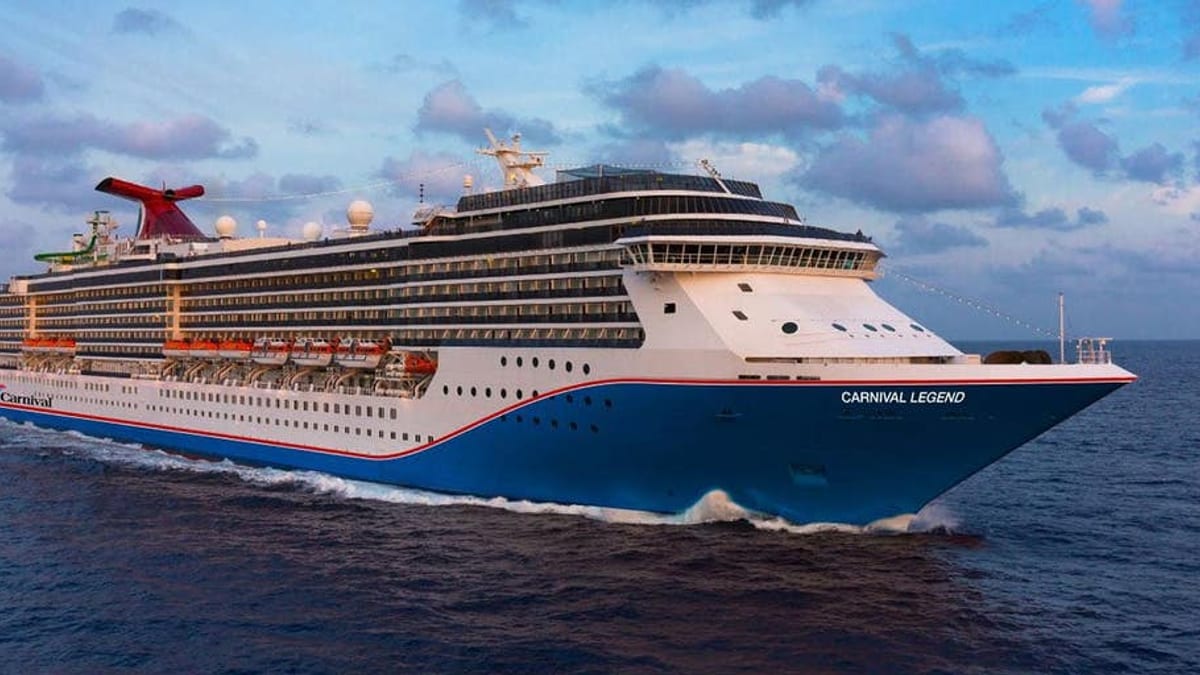
The incident occurred on Tuesday night in the Gulf of Mexico near the island of Cozumel, during a multi-day sailing from Galveston. Publicly available reports indicate that the Carnival Legend altered course after crew members spotted emergency flares from a small sailboat adrift in the area.
According to published coverage, the sailboat had reportedly been without power and drifting for several days before the cruise ship arrived on scene. Passengers described seeing searchlights sweep across the waves as the vessel slowed and prepared to launch a rescue craft, turning a routine evening at sea into an unexpectedly tense spectacle.
Video clips shared on social media show the disabled sailboat sitting low in the water while one of the cruise ship’s rescue boats moves in under bright beams from the larger vessel. The contrast between the towering hull of the cruise ship and the vulnerable sailboat underscored the scale of the operation for those watching from railings and balcony cabins.
Observers on board reported that normal nighttime activities paused as travelers gathered along the decks to watch the events unfold in near silence. The scene, lit by spotlights and emergency lights, gave passengers an unusually close look at the risks faced by small craft on open water.
Stranded Sailor and Cat Brought Safely On Board
Reports indicate that the cruise ship launched a rescue boat to reach the distressed sailboat once its position was confirmed. Crew members then assisted a lone sailor and his black cat, identified in coverage as Dahlia, off the failing vessel and onto the rescue craft before returning to the cruise ship.
Passengers later recounted seeing the pair brought alongside and taken aboard under the glow of deck lighting. While the sailor appeared able to move with assistance, viewers noted the precariousness of transferring a person from a small boat to a rescue craft in rolling seas, particularly at night.
The presence of the cat became a focal point of attention, with images circulating online showing the animal being carried to safety. The detail added an emotional dimension to the rescue, as many travelers commented on the bond between solo sailors and their pets during long voyages.
Publicly available accounts suggest the man and his cat had been at sea for roughly four days without power before attracting the cruise ship’s attention using flares and other visual signals. The swift response by the larger vessel effectively ended a potentially life-threatening drift hundreds of miles from shore.
Cruise Holiday Turns Into Unplanned Lesson in Maritime Risk
For hundreds of guests, the rescue was a stark reminder of how quickly conditions can change beyond the shoreline. Travelers who had spent the day in Cozumel or relaxing on board suddenly found themselves watching a real emergency unfold within sight of their stateroom balconies.
Many accounts from passengers emphasize the eerie quiet that reportedly fell over parts of the ship as people realized they were witnessing a genuine life-or-death operation rather than a drill. The usual soundtrack of music, conversation, and entertainment was temporarily replaced by the sound of engines idling, rescue craft being lowered, and instructions shouted over the water.
Some travelers described mixed emotions in their public posts, combining anxiety for the sailor’s fate with relief as it became clear he and his cat would be brought aboard. For those on their first cruise, the incident offered an unscripted glimpse into the safety capabilities that are normally highlighted only in brief muster drills.
The episode also appeared to strengthen a sense of community on board. Passengers wrote about strangers standing shoulder to shoulder at the rail, sharing binoculars and phone cameras, and later discussing the rescue over late-night meals and in lounges once the ship resumed its course.
Growing Spotlight on Cruise Ship Rescues at Sea
This latest incident joins a series of recent cases in which large passenger ships have assisted smaller vessels in distress. Cruise industry coverage over the past year has highlighted multiple rescues involving disabled sailboats, sinking catamarans, and stranded recreational craft in popular cruising regions.
Maritime observers note that large cruise ships, equipped with powerful radar, communication systems, and trained watch teams, are often among the first to detect or respond to visual distress signals in busy corridors such as the Gulf of Mexico and the Caribbean. When conditions allow, these ships can deploy fast rescue boats to reach people in trouble far from shore.
Publicly available information about such operations has contributed to a growing awareness among travelers that cruise itineraries can intersect with unplanned humanitarian missions. Photos and video shared by passengers have become a common way for the wider public to see how complex and risky these at-sea transfers can be, especially at night or in rough seas.
In this case, the presence of a rescued pet captured additional attention, echoing earlier high-profile rescues involving sailors accompanied by animals on long passages. For many viewers, the successful retrieval of both sailor and cat served as a powerful symbol of hope in an otherwise frightening scenario.
Questions of Preparedness on Smaller Vessels
While the cruise ship’s actions drew widespread praise from travelers and online commenters, the episode also raised questions about safety planning on smaller boats traveling significant distances offshore. Coverage of the rescue noted that the stranded sailor had lost power and drifted for several days before being spotted, highlighting the importance of redundant systems and reliable communication tools.
Maritime safety advocates frequently emphasize the value of carrying signaling equipment such as flares, lights, and emergency beacons, as well as maintaining regular contact with coastal authorities when possible. The reported use of flares in this case appeared to be a decisive factor in drawing the attention of the passing cruise ship amid a vast expanse of open ocean.
For vacationers who watched the incident from the relative comfort of a modern cruise liner, the sight of a single small sailboat pitching in the dark seas served as a visual argument for careful preparation before any offshore trip. Passengers later described the scene as a sobering counterpoint to the otherwise carefree atmosphere of a warm-weather voyage.
As the Carnival Legend continued on its itinerary after the rescue, the story of the stranded sailor and his cat quickly traveled beyond the ship, carried by social media posts and news coverage. For those on board, the memory of seeing a fragile boat in distress alongside a towering cruise ship is likely to endure long after the ship’s final port call.