


More news on this day
EasyJet has sharply criticised lengthy border queues linked to Europe’s new Entry/Exit System after severe delays at Milan Linate airport left more than 100 UK-bound passengers stranded and forced to find their own way home.
Get the latest news straight to your inbox!
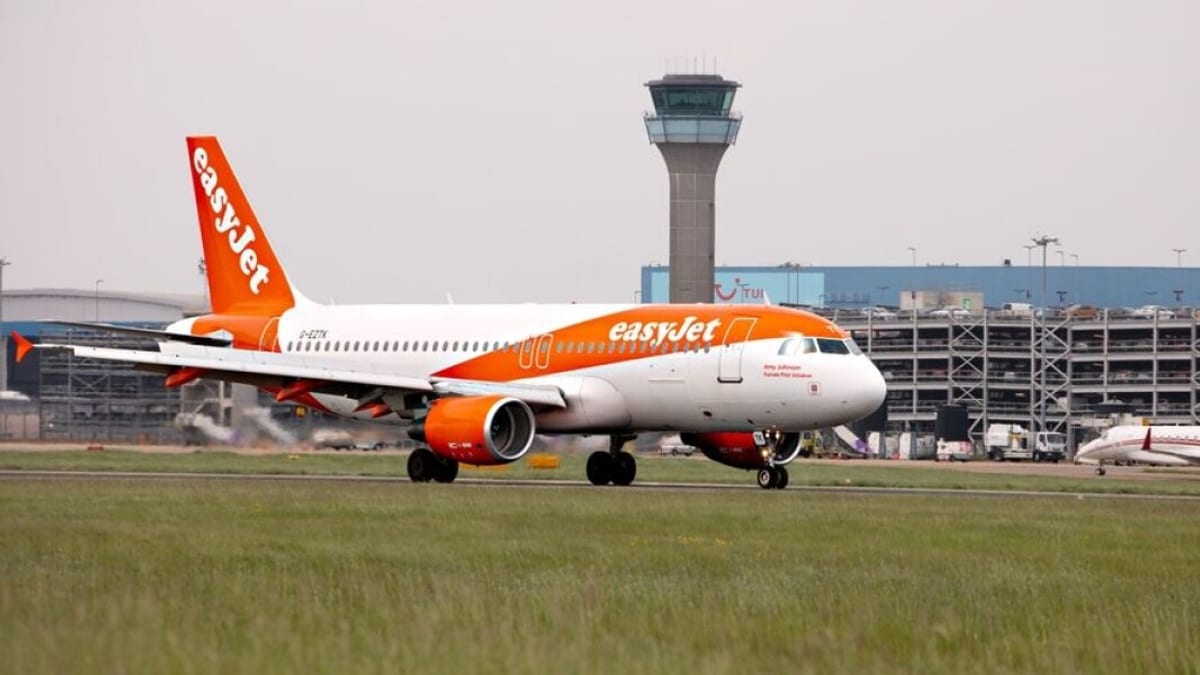
Manchester flight departs with most passengers still in passport control
According to recent coverage from UK and European outlets, the disruption centred on EasyJet flight EJU5420 from Milan Linate to Manchester on 12 April 2026. Reports indicate that only around 30 to 35 passengers managed to board before the aircraft departed, leaving an estimated 120 others still stuck in border control queues.
Accounts from travellers describe queues of up to three hours at passport control, with families and holidaymakers funnelled through newly expanded checks for non EU nationals. Many of those left behind were returning to the UK at the end of Easter holidays, increasing pressure on airport infrastructure during one of the busiest travel periods of the year.
EasyJet is reported to have held the Manchester bound flight on the ground for close to an hour beyond its scheduled departure time in an attempt to allow more passengers to clear the bottleneck. The airline then allowed the aircraft to depart once crew duty limits approached, leaving a large proportion of the manifest still in line at border control.
Travellers have since described scrambling to find last minute hotel rooms and replacement flights at short notice, with some reportedly paying hundreds or even more than one thousand pounds to rebook itineraries to the UK via alternative routes.
Airline labels EES queues ‘unacceptable’ as blame debate intensifies
Publicly available statements from EasyJet indicate that the carrier has described the situation at Milan Linate as unacceptable and outside its direct control. The airline has pointed to delays in processing under the European Union’s new Entry/Exit System as the main cause of the missed flights and subsequent disruption.
In comments reported by travel and general news outlets, EasyJet has urged border authorities to make full and flexible use of the tools available to manage EES, including measures intended to ease congestion during busy periods. The airline has argued that such steps are necessary to prevent a repeat of the scenes in Milan, where UK bound customers found themselves shut out of departures despite arriving at the airport several hours in advance.
Airport and border representatives highlighted in published coverage have, in turn, suggested that the rollout of EES is a complex, multi agency process involving new biometric collection and data systems, with operational challenges expected in the early phase. Responsibility for delays has therefore become a point of tension between airlines seeking to protect their schedules and passengers, and border managers tasked with implementing tighter external frontier rules.
For stranded travellers, the dispute over responsibility has immediate financial and practical implications. Many are now seeking clarity on whether they can claim reimbursement or compensation when flights depart on time but passengers are prevented from reaching the gate due to border queues.
What the Entry/Exit System means for British travellers
The Milan incident has thrown a spotlight on the Entry/Exit System, a long planned EU wide database designed to register the movements of non EU, non Schengen nationals entering and leaving the bloc for short stays. Under the scheme, travellers are required to provide facial images and fingerprints alongside passport details, replacing the previous routine stamping process.
For British passport holders, who have been treated as third country nationals since the end of the Brexit transition period, the practical impact is significant. On their first trip under EES, UK visitors to Schengen countries are expected to undergo the full biometric enrolment process at an external border crossing, such as an airport, seaport or land frontier. Subsequent trips should be faster, as their data will already be stored, but the initial registration can be time consuming.
Travel industry groups and airport associations quoted in European reports have warned for months that if staffing and infrastructure are not scaled up appropriately, EES could produce extended queues at peak times. Some have called for greater flexibility, including the ability to temporarily suspend biometric checks when waiting times exceed agreed thresholds, and for more kiosks and staff to be deployed ahead of the main summer season.
The Milan queues appear to illustrate these warnings in practice, with the combination of holiday traffic, new biometric procedures and limited capacity resulting in a backlog that stretched beyond departure times for some flights to the UK.
Rights, rebooking and the grey area around compensation
The events at Milan Linate have also reignited discussion about passenger rights when external factors such as border control delays cause missed departures. Under UK and EU consumer frameworks, airlines are generally required to provide assistance and compensation when cancellations or long delays are within their control, such as technical faults or operational decisions.
However, publicly available guidance and previous case examples suggest that long queues at security or passport control are typically treated as outside the airline’s direct responsibility. In many instances, passengers who arrive at the airport in good time but are delayed by state run border checks may find that automatic compensation is not available, leaving them reliant on travel insurance, discretionary rebooking policies or goodwill from carriers.
EasyJet has indicated in earlier advisories on busy travel periods that customers should arrive at airports well ahead of departure time to allow for possible congestion at checkpoints. The Milan case shows that even travellers who follow such advice can be vulnerable when a new system creates unexpected delays that stretch beyond standard planning assumptions.
Legal specialists quoted across consumer and travel reports note that disputes over responsibility in such circumstances can be complex. Passengers may need to gather detailed evidence of when they arrived at the airport, how long they spent in queues and what information was available to them at the time in order to pursue claims with airlines, airports or insurers.
Growing pressure ahead of peak summer travel
The queues in Milan have arrived at a sensitive moment for European travel, with the full implementation of EES coinciding with rising demand for city breaks and beach holidays across the continent. Industry bodies representing airports and airlines have already warned that the coming summer could see further flashpoints if bottlenecks are not addressed.
Reports from other European hubs indicate that waiting times of two to three hours at border control have already been recorded during busy periods since the system went live. While not all such delays have led to passengers missing flights, they have fuelled concern that sporadic disruption could become more common without rapid operational improvements.
EasyJet’s strong language about unacceptable queues adds to a wider chorus of concern from carriers serving the UK market, which rely heavily on fast turnarounds and predictable flows through airport infrastructure. If EES related congestion persists, airlines may face difficult choices about schedule padding, boarding cut off times and the extent to which they can or should hold departures for delayed passengers.
For British travellers, the Milan episode serves as an early warning. With EES bedding in across the EU, the advice emerging from travel experts and consumer advocates is that passengers should allow more time than usual for border procedures, monitor airport specific guidance in the days before departure and ensure they have robust travel insurance in place. Whether these measures, combined with operational adjustments by airports and border agencies, will be enough to prevent further scenes of stranded holidaymakers remains an open question as the peak season approaches.